

Understanding Mobile Phone Detection Cameras
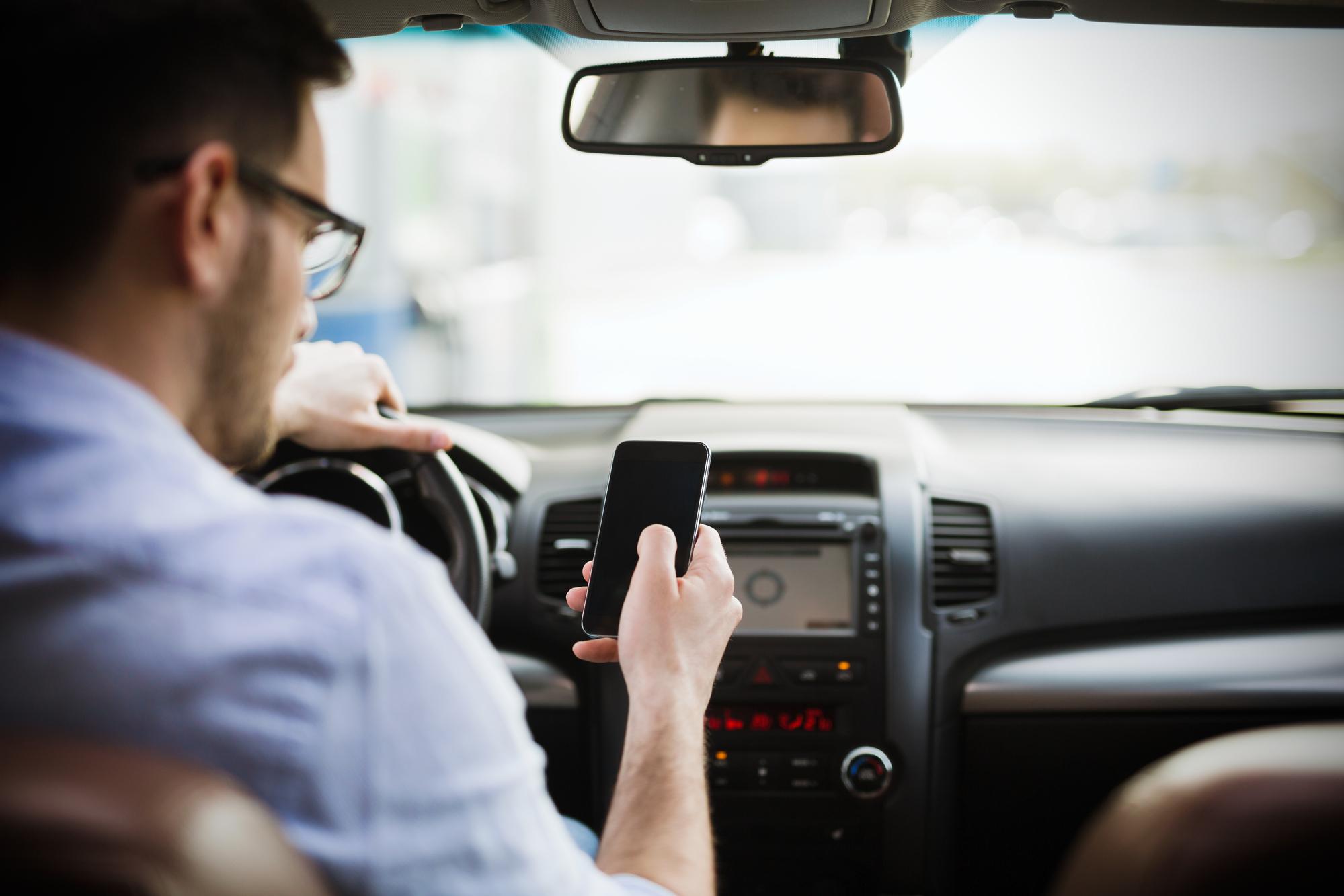
On 1 March 2020, the New South Wales Government implemented the Mobile Phone Detection Program. This program is a key initiative in the Government’s strategy to reduce road fatalities to zero by 2056.
To achieve this goal, and as part of the program, the Government uses automated mobile phone detection cameras that are able to detect road users who are using their phones illegally while driving. These motorists can then face heavy fines for using their phones while driving.
In fact, the penalty for offending drivers is five demerit points and a $352 fine, which goes up to $469 when offending in a school zone. Also, during double demerit periods, the penalty increases to 10 demerit points.
That leaves the question: What is legal, and what is not when it comes to using your mobile phone when driving? In this post, we’ll look at these questions in more detail.
What Are Mobile Phone Detection Cameras?
Before looking at these questions, though, let’s first look at what mobile phone detection cameras are. As the name implies, mobile phone detection cameras are able to detect when road users use their mobile phones illegally when driving.
To do this, they use a number of incorporated cameras and an infra-red flash to capture images of passing motor vehicles in all weather and traffic conditions. These cameras are available as both fixed and transportable versions, which means authorities can use them almost anywhere.
Once they’ve captured images, artificial intelligence algorithms review the captured images. During this process, these algorithms detect potentially offending drivers and exclude any images of non-offending drivers. Also, the system deletes these images of non-offending drivers permanently within an hour of capture.
Trained personnel then verify mobile device offences from the images identified during the process above. In other words, they confirm that the drivers in question offended by using their mobile phones illegally while driving. These drivers will then receive penalty notices.
What Do the Rules Say?
Considering that mobile phone detection cameras are becoming more prevalent, it’s important to understand the rules on mobile phone use. This is even more so when you want to avoid the heavy fines mentioned earlier. So, now the question is: What do the rules say?
What is Legal Use?
There are several instances when using a mobile phone while driving will be legal. These are:
-
Making or receiving phone calls. It’s legal to make or receive phone calls using a mobile phone only when the mobile phone is secured in a cradle fixed to the vehicle or when you can make or receive the call without touching any part of the phone. This will typically be the case with vehicles fitted with Bluetooth functionality and controls.
-
Using the mobile phone for music or audio functions. It’s legal to use your phone to listen to music or for using other audio functions. Like making or receiving calls, you’re only allowed to do this when the phone is secured in a cradle fixed to the vehicle or when you can use these functions without touching any part of the phone.
-
Using the mobile phone as a driver’s aid. It’s legal to use the phone as a driver aid. This means you’ll be able to use it for navigation, as a dispatch system, or when using the Speed Adviser app. Here, the proviso is, as is the case above, that the phone must be secured in a cradle which is fixed to the vehicle.
-
Accessing a Digital Driver’s Licence. You may only access your Digital Driver’s Licence when asked by a police officer to do so.
-
Using the mobile phone’s wallet functions. It’s legal to use the wallet functions of your phone only if your vehicle is stationary and parked off the road like a carpark, driveway, or drive thru. This means you’ll be able to make a transaction, show a coupon or voucher, and use your phone for access control when your vehicle is stationary and parked off the road.
What is Illegal Use?
Now, what is illegal? Simply put, any action with your phone while driving contrary to the above rules, will be illegal. This means you’re not allowed to make or receive phone calls, use your phone for music and other audio functions, or use it as a driver’s aid while driving and when it’s not secured in a cradle.
In addition, you’re not allowed to use other functions like video calling, texting, emailing, social media or web browsing, and photography unless your vehicle is parked.
It’s also important to note that, when you’re in possession of a learner, P1, or P2 licence, you’re not permitted to use your phone when driving at all. As a result, you won’t be able to use it even when it’s secured in a cradle or through Bluetooth.
The Bottom Line
Since March 2020, you’ll receive a severe fine for the illegal use of a phone while driving. Hopefully, this post helped illustrate what’s legal and what’s not, so you can better understand how to use your mobile phone when driving.
If you feel that you’ve been incorrectly fined for illegal mobile phone use after detection on a mobile phone detection camera, you may need a traffic lawyer to help you understand your rights and the rules relating to the illegal use of a phone while driving.


















