

Pendant Lights: Elevating Interior Spaces With Style and Purpose
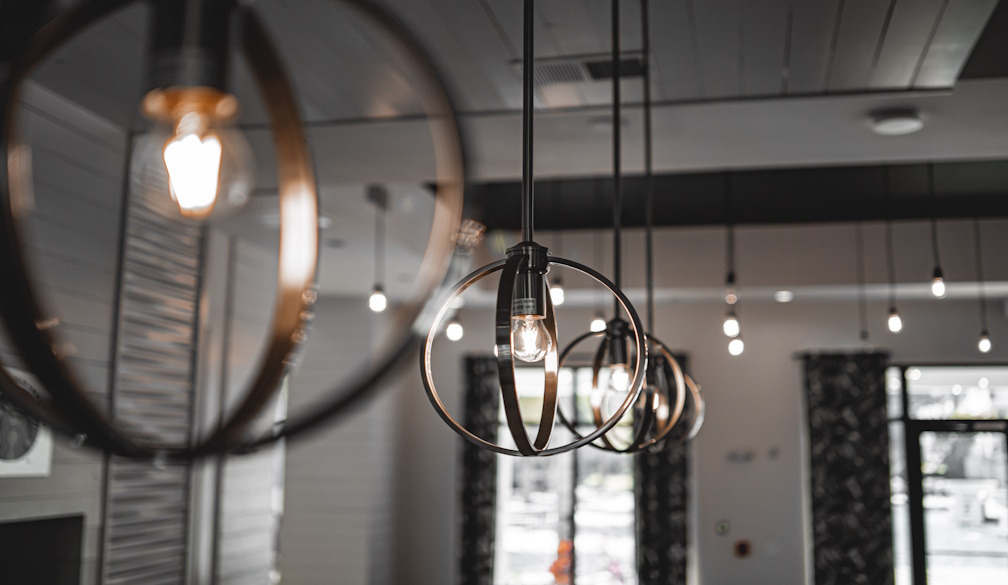
Well-chosen pendant lights have the power to transform interiors by combining focused illumination with strong visual impact. More than just a light source, pendant lights act as design features that define spaces, highlight key areas, and contribute to the overall character of a room. From kitchens and dining areas to commercial interiors, pendant lighting has become a staple in contemporary design.
Pendant lights are especially valued for their versatility. They can be subtle and minimal or bold and sculptural, depending on the desired effect. This flexibility allows them to suit a wide range of interiors, from modern apartments to classic homes and professional environments.
Why Pendant Lighting Has Become So Popular
Pendant lights offer a balance between function and aesthetics that many other lighting options struggle to achieve. Suspended from the ceiling, they direct light precisely where it is needed while also drawing the eye upward, adding depth and interest to a space.
Their popularity also stems from their ability to define zones within open-plan layouts. In homes with combined kitchen, dining, and living areas, pendant lights visually separate spaces without the need for physical dividers. This subtle zoning enhances both usability and design flow.
Enhancing Kitchens and Dining Areas
One of the most common applications for pendant lights is over kitchen islands and dining tables. In these areas, lighting needs to be both practical and inviting. Pendant lights provide focused illumination for food preparation and dining while creating a warm, welcoming atmosphere.
By positioning pendant lights at the right height and spacing, glare is reduced and light is evenly distributed. This improves visibility while maintaining comfort. The choice of shade design and light colour further influences how the space feels, allowing homeowners to tailor the ambience to their lifestyle.
Design Variety to Suit Different Interiors
Pendant lights are available in an extensive range of designs, materials, and finishes. Glass pendants offer a clean and airy feel, while metal or textured finishes introduce boldness and contrast. Natural materials can add warmth and softness, complementing relaxed interior styles.
This variety allows pendant lights to align with different design themes. Whether the goal is understated elegance or a statement feature, there is a pendant style to suit. This adaptability makes pendant lighting a reliable choice across residential and commercial projects.
Creating Visual Impact Without Overcrowding
Pendant lights are often used as focal points, but effective design avoids overcrowding. The key is proportion and placement. A single statement pendant can anchor a room, while a series of smaller pendants can create rhythm and balance.
In open spaces, pendant lights add visual interest without consuming floor or wall space. This makes them particularly useful in compact interiors where maximising usable space is important. Their suspended nature keeps layouts open and uncluttered.
Lighting Quality and Atmosphere
The quality of light produced by pendant fixtures plays a major role in shaping atmosphere. Warm light tones create relaxed, intimate environments, while cooler tones suit task-oriented spaces. Selecting the right light source ensures pendant lights support the intended function of the area.
Diffusers, shades, and bulb placement all influence how light is distributed. Well-designed pendant lights minimise harsh shadows and glare, delivering comfortable illumination that enhances the experience of the space.
Pendant Lights in Commercial and Hospitality Settings
Beyond homes, pendant lights are widely used in commercial and hospitality environments. Restaurants, cafés, and retail spaces rely on pendant lighting to create mood and guide customer focus. Thoughtful architectural outdoor lighting design influences how people feel and behave within these spaces.
In hospitality settings, pendant lights often contribute to brand identity. Distinctive lighting designs become part of the overall experience, helping venues stand out and feel memorable. In offices, pendant lights can add character while supporting functional lighting needs.
Energy Efficiency and Modern Technology
Modern pendant lights often incorporate energy-efficient light sources that reduce running costs without compromising brightness or quality. Efficient lighting supports sustainability goals and long-term savings, making pendant lights a practical choice as well as a design feature.
Advances in lighting technology also allow pendant fixtures to deliver consistent colour and output over time. This reliability ensures spaces remain well-lit and visually appealing without frequent maintenance.
Installation and Placement Considerations
Successful pendant lighting depends on correct installation. Height, spacing, and alignment all influence performance and appearance. Pendant lights installed too low can obstruct views, while those placed too high may lose impact and effectiveness.
Professional advice helps determine optimal placement based on ceiling height, room dimensions, and intended use. This planning ensures pendant lights enhance rather than disrupt the space.
Balancing Statement and Subtlety
Pendant lights can either stand out or blend seamlessly, depending on design choices. In minimalist interiors, simple pendant forms add interest without overwhelming the space. In more expressive designs, bold pendants become centrepieces that define the room’s personality.
Achieving the right balance ensures lighting complements other design elements such as furniture, finishes, and architectural features. Thoughtful selection supports cohesive and harmonious interiors.
Maintenance and Longevity
Pendant lights are long-term fixtures, so durability matters. Quality construction ensures fixtures remain secure and maintain their appearance over time. Choosing reliable materials and finishes reduces wear and the need for frequent replacement.
Maintenance requirements are generally minimal, often limited to occasional cleaning. This ease of care makes pendant lights suitable for both residential and commercial environments.
Choosing the Right Pendant Lights
Selecting the right pendant lights involves considering both function and style. Factors such as room purpose, ceiling height, and existing décor influence the best choice. Professional guidance can help narrow options and ensure the final selection delivers both visual and practical benefits.
Understanding how different designs affect light distribution and ambience supports confident decision-making. This approach ensures pendant lights contribute positively to the overall space.
Final Thoughts
With thoughtful selection and proper placement, pendant lights become more than functional fixtures. They become integral design elements that elevate the look, feel, and usability of a space for years to come.


















