

Why Material Handling Hose Is Critical for Industrial Efficiency
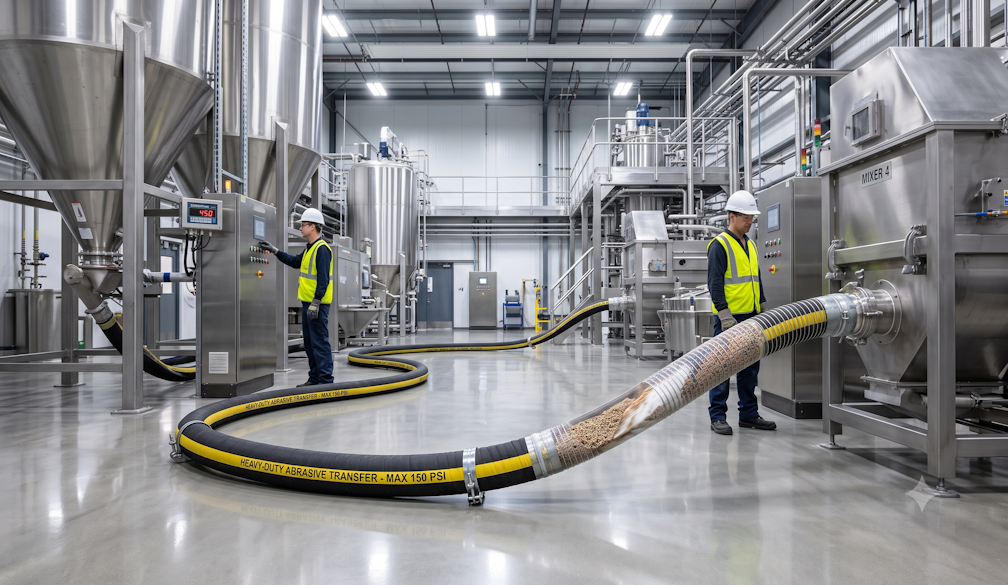
A high-performance material handling hose is an essential component in industries that transport abrasive, dry, or bulk materials on a daily basis. Mining operations, manufacturing facilities, construction sites, cement plants, and processing industries all rely on dependable hose systems to move materials safely and efficiently. The right hose solution helps maintain productivity, minimise downtime, and improve overall operational performance in demanding environments.
Material transfer is a fundamental part of industrial processes. Whether transporting sand, gravel, powders, pellets, ore, or other bulk materials, businesses require equipment capable of handling continuous use while resisting wear and tear. This is where specialised material handling hoses deliver significant value.
Understanding Material Handling Applications
Material handling involves the movement of solid products from one location to another during production, processing, storage, or transportation. Unlike standard fluid transfer systems, material handling applications often expose hoses to highly abrasive substances that can quickly degrade conventional products.
Industrial environments frequently require hoses to handle challenging materials while maintaining consistent flow rates. The hose must be strong enough to withstand abrasion yet flexible enough to allow practical installation and operation.
This balance between durability and flexibility is what makes specialised material handling hoses suitable for demanding industrial applications.
Industries That Depend on Material Handling Hoses
A wide range of industries utilise material handling hoses as part of their daily operations. Mining companies use them to transport ore, mineral concentrates, and processing materials throughout production facilities.
Construction projects rely on material handling systems for transferring sand, cement, aggregates, and other building materials. Manufacturing plants often use these hoses to move raw materials and finished products between different stages of production.
Agricultural operations may also utilise material handling hoses for transporting grain, feed, fertilisers, and other bulk materials essential to farming activities.
The Importance of Abrasion Resistance
One of the most critical characteristics of a material handling hose is its ability to resist abrasion. Continuous contact with abrasive materials creates friction that can gradually wear down internal hose surfaces.
To combat this challenge, manufacturers use specialised rubber compounds and reinforced linings designed to withstand constant wear. These materials help extend service life while maintaining performance even under demanding operating conditions.
Improved abrasion resistance reduces maintenance requirements and lowers the frequency of hose replacements, providing long-term operational benefits.
Supporting Productivity Across Industrial Operations
Efficient material transport directly affects productivity. Delays caused by equipment failures can disrupt workflows, impact production schedules, and increase operating costs.
A quality material handling hose helps maintain uninterrupted movement of materials throughout industrial systems. Reliable performance allows businesses to achieve production targets while reducing unexpected maintenance requirements.
When material transfer systems operate efficiently, organisations can focus on optimising processes and improving overall operational output.
Factors to Consider When Selecting a Hose
Selecting the right hose involves evaluating several important factors. The type of material being transported is one of the most significant considerations because different substances create varying levels of wear and operational stress.
Particle size, flow velocity, operating pressure, temperature conditions, and environmental exposure should also be assessed. These factors influence the type of hose construction required for optimal performance.
Choosing a hose specifically designed for the intended application helps improve reliability and reduce long-term operating costs.
Flexibility and Ease of Handling
While durability is important, flexibility is equally valuable in many industrial environments. Hoses often need to be installed in confined spaces, routed around equipment, or repositioned during operation.
A well-designed material handling hose provides sufficient flexibility without compromising structural integrity. This allows operators to handle and install equipment more easily while maintaining reliable performance under working conditions.
The ability to combine strength with manoeuvrability makes these hoses suitable for a broad range of industrial applications.
Maintaining Safety During Material Transfer
Safety is a major priority across industrial sectors. Equipment failures during material transport can create hazards for workers, damage surrounding infrastructure, and result in operational disruptions.
Using a hose specifically engineered for material handling applications helps reduce these risks. Robust construction and quality manufacturing contribute to safer operation and greater confidence in system performance.
Regular inspections and preventive maintenance further support workplace safety by ensuring equipment remains in suitable operating condition.
Maintenance Strategies for Longer Service Life
Routine maintenance is essential for maximising hose performance and longevity. Operators should regularly inspect hoses for signs of wear, abrasion, cracking, or damage to fittings and connections.
Proper storage practices can also extend service life. Keeping hoses away from excessive heat, direct sunlight, and unnecessary mechanical stress helps preserve material integrity over time.
By implementing preventive maintenance programs, organisations can identify issues early and avoid costly unplanned downtime.
The Long-Term Value of Quality Hose Solutions
Although premium hose products may involve a higher initial investment, they often provide greater value over their operational lifespan. Improved durability, reduced maintenance requirements, and enhanced reliability contribute to lower total ownership costs.
Businesses that invest in high-quality material handling hoses often experience fewer interruptions and more predictable maintenance schedules. These advantages help improve operational efficiency while supporting long-term profitability.
Reliable equipment is an important factor in maintaining competitive industrial operations.
Conclusion
Material handling plays a vital role in industries that depend on the efficient movement of bulk materials. A durable material handling hose supports productivity, improves reliability, enhances safety, and reduces maintenance costs across a wide range of applications. From mining and manufacturing to construction and agriculture, these specialised hose systems contribute directly to operational success.
For organisations seeking dependable material transport solutions, investing in a quality material handling hose is a practical step toward achieving greater efficiency, improved performance, and long-term operational reliability.

















