

Building Approval for Roofing Projects: What Homeowners Need to Know
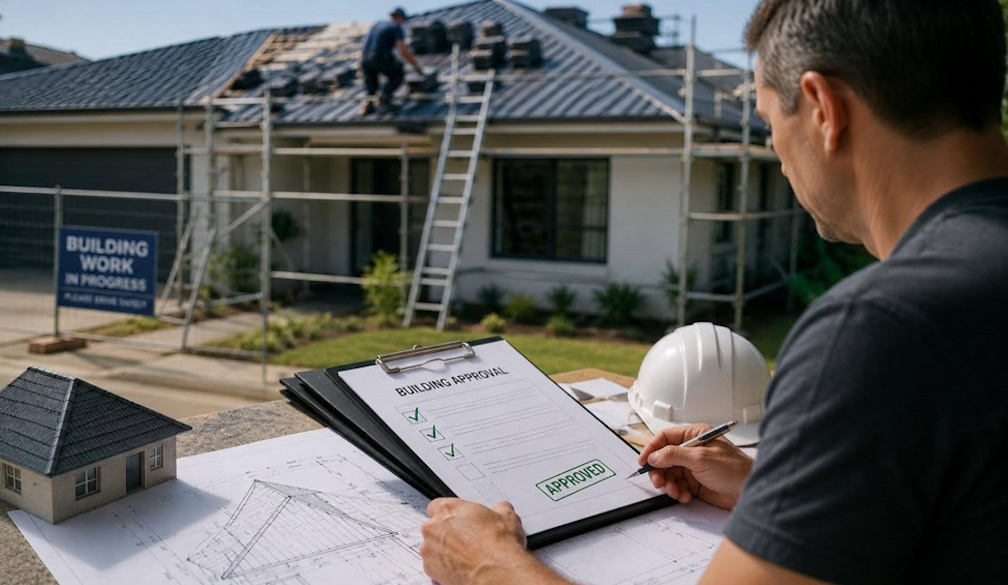
Roofing projects are an important part of maintaining and protecting your home. Whether you're repairing storm damage, replacing an ageing roof, or planning a larger renovation that involves structural changes, understanding whether building approval may be required is an important part of the planning process.
Many homeowners assume all roofing work follows the same approval requirements, but this isn't always the case. The type of work being completed, the extent of the changes, and local building requirements can all influence whether approvals or additional documentation are needed before work begins.
Taking the time to understand the process early can help avoid unnecessary delays and keep your project progressing smoothly.
Understanding Building Approval for Roofing Work
Not Every Roofing Project Requires the Same Process
Roofing work can range from simple maintenance through to major structural alterations.
Projects may include:
- Roof repairs
- Roof restorations
- Roof replacements
- Replacing roof coverings
- Structural roof alterations
- Home extensions
- Second-storey additions
- Roof conversions
- Installing skylights that require structural modifications
While routine maintenance and like-for-like repairs may not require formal approval, larger projects involving structural changes or significant alterations may require additional assessment before work begins. Approval requirements vary depending on the scope of work and the relevant local authority, so it's always worth confirming the requirements before construction starts.
Start With a Professional Roof Inspection
Before making decisions about approvals or construction, it's important to understand the condition of your existing roof.
A professional inspection can identify issues such as damaged roof coverings, deteriorated structural components, leaks, poor drainage, or storm damage that may influence the scope of the project. In some situations, roof restorations Sydney may be sufficient to extend the life of the existing roof, while in others, replacement may be the more practical long-term solution.
A thorough assessment before work begins allows homeowners to better understand the condition of their roof and choose the most appropriate course of action.
Understand the Scope of Your Project
One of the biggest factors affecting approvals is the extent of the proposed work.
Replacing broken roof tiles or repairing flashing is generally very different from altering roof structures, raising roof heights, or changing the overall design of the building.
Projects that affect structural elements or alter the way the building performs may involve additional documentation, engineering advice, or approval processes before work can commence.
Clearly defining the project scope at the beginning helps everyone involved understand what is required and reduces the likelihood of unexpected changes later.
Keep Documentation Organised
Good documentation supports a smoother building process.
Depending on the project, important documents may include:
- Building plans
- Engineering documentation
- Product specifications
- Roof inspection reports
- Structural details
- Approval documentation
- Compliance certificates
Keeping these records organised not only assists during construction but can also be valuable for future renovations, insurance purposes, and when selling the property. A good pre-purchase building inspector will be on the look out for unapproved and poor quality construction, which will affect your sale price.
Know When a Building Certifier Can Help
If your roofing project involves structural alterations, significant building work, or uncertainty around approval requirements, obtaining professional advice early can be beneficial.
Consulting experienced building certifiers Sydney can help you understand the relevant approval pathways, assess project documentation, identify potential compliance issues, and determine whether additional information may be required before work begins. Seeking professional advice during the planning stage often helps prevent unnecessary delays and provides greater confidence throughout the construction process.Communicate With Your Builder and Trades
Successful roofing projects rely on good communication between everyone involved.
Builders, roofing contractors, engineers, certifiers, and homeowners each play an important role throughout the project. Ensuring everyone has access to the latest plans, documentation, and project information helps minimise misunderstandings and supports efficient construction.
Clear communication also reduces the likelihood of unexpected variations or delays once work is underway.
Plan Ahead to Avoid Unnecessary Delays
Many project delays occur before construction even starts.
Taking the time to confirm approval requirements, organise documentation, engage qualified professionals, and finalise project details allows work to begin with greater confidence. Early planning also provides an opportunity to identify potential issues before they become more complex or expensive to resolve.
Investing time in preparation often leads to a smoother construction process and a better overall outcome.
Good Planning Helps Roofing Projects Stay on Track
Whether you're repairing storm damage, restoring an ageing roof, or planning significant structural work, understanding the approval process is an important part of any successful roofing project. Not every job requires the same approvals, but knowing what applies to your particular project helps reduce uncertainty and supports better decision-making from the outset.
By arranging a professional roof assessment, understanding the scope of the work, keeping documentation organised, and seeking compliance advice where appropriate, homeowners can approach their roofing project with greater confidence. Careful planning before construction begins helps minimise delays, improves communication between everyone involved, and creates the best opportunity for a smooth and successful outcome.

















