

How To Choose The Right Insulation For Your Space
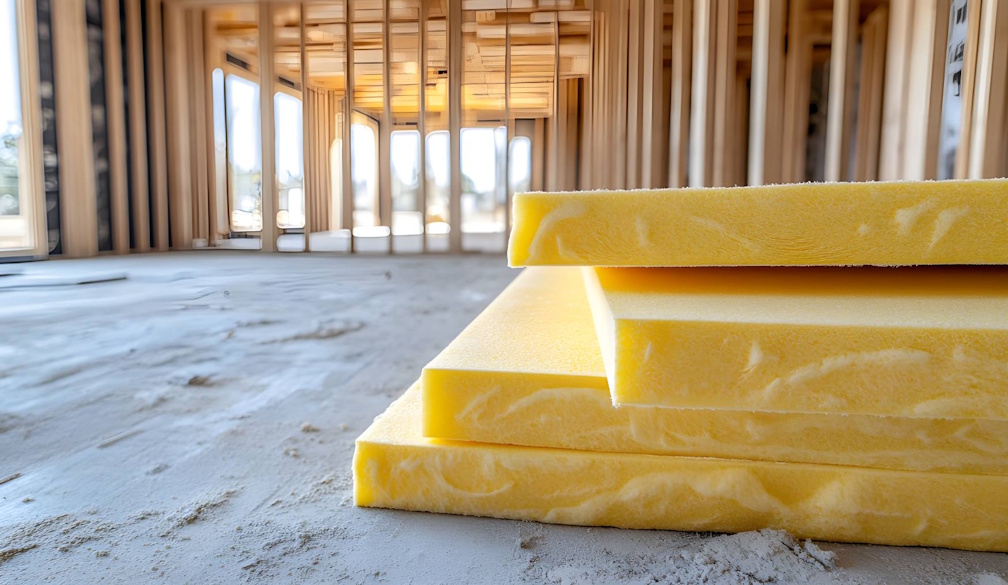
Selecting the appropriate insulation for your home or building is a critical decision that affects comfort, energy efficiency, and present and future operational costs. With various materials and forms available, navigating the options can seem daunting. The ideal choice depends on carefully assessing the specific space, climate, budget, and project goals. A thorough understanding of key performance metrics and material properties can empower you to make informed decisions that yield benefits for years.
Read on to learn how to choose the right insulation for your space.
Understand R-Value or Measure of Thermal Performance and Resistance
The most crucial metric in the insulation selection process is the R-value. This measures the level of thermal resistance of a material, or its ability to resist heat flow. This means the higher the R-value, the higher the insulating power. Required R-values can vary significantly based on geographic location and the specific part of the building being insulated.
Climate and its changes is the primary determinant. Colder climates require higher R-values to effectively retain heat, while moderate and hot climates may prioritise reflective insulation to block radiant heat. As such, it’s essential to consult professionals to ensure the selected insulation meets or exceeds local building codes and energy efficiency goals.
A well-insulated building envelope is a thermal barrier, slowing heat transfer to maintain a consistent indoor temperature. In winter, it retains warmth inside; in summer, it rejects excess heat from outdoors. This can help reduce the strain on heating, ventilation, and air conditioning (HVAC) systems, leading to significant energy savings. Therefore, to ensure a favorable outcome, it’s best to compare the advantages of different insulation types, from the widely used fibreglass blanket to modern spray foam applications.
Assess the Application Area
The physical characteristics of the space to be insulated can also dictate the suitable form of insulation. The following areas can present unique challenges and opportunities:
Attics
These are often the easiest place to add insulation and where the greatest heat loss occurs. Loose-fill or batt insulation are common choices here due to their ability to cover large, open, and often irregularly shaped spaces.
Walls (Existing)
Insulating finished walls typically requires materials that can be installed with minimal disruption. Dense-pack cellulose or injection foam is ideal as it’s blown into wall cavities through small holes.
Walls (New Construction)
Open wall cavities allow for any type of insulation, including batts, boards, or spray foam, which can be applied before the interior drywall is installed.
Floors
Insulation can prevent cold floors in spaces over unconditioned garages or crawl spaces. Batts are frequently used between floor joists.
Crawl Spaces and Basements
These areas require insulation that's moisture and heat resistant. Rigid foam boards or closed-cell spray foam are excellent choices, as they can provide a high R-value and act as a vapour barrier.
Familiarise Common Types of Insulation and Their Best Uses
Knowing the common types of insulation and their best uses are crucial when choosing the right insulation for your space. These types include:
Batt and Roll Insulation (Blankets)
This is one of the most common and familiar forms of insulation. It’s typically made from fibreglass, mineral wool, or plastic fibres and is designed to fit snugly between standard-spaced framing, such as studs, joists, and rafters. Its primary advantages are its relatively low cost and ease of DIY installation for handy homeowners. It’s also the most effective in standard, unobstructed spaces where plastic fibre, mineral wool, or fiberglass blanket insulation can be installed without compression, diminishing its R-value. Proper installation, including cutting around obstacles and ensuring complete coverage, is vital for its performance.
Loose-Fill and Blown-In Insulation
Composed of small particles of a fiberglass material, cellulose, or mineral wool, this insulation is blown into place using specialised pneumatic equipment. It’s particularly well-suited for retrofitting existing homes because it can be installed in enclosed cavities like wall spaces or over attic insulation without major demolition.
Its ability to conform to any space and fill nooks and crannies can also make it ideal for irregularly shaped areas and around obstructions like wiring and pipes. Cellulose, often made from recycled newspaper, offers strong environmental credentials but must be treated for fire resistant properties.
Spray Foam Insulation
Spray foam is a premium insulation product that expands upon application, creating a custom-fit, airtight seal. It’s available in two types: open-cell, which is softer and more flexible, and closed-cell, which is denser and provides a higher R-value per inch along with inherent moisture resistance.
Spray foam’s greatest benefit is its ability to simultaneously insulate and act as an air barrier, dramatically reducing air infiltration, a significant source of energy loss. While it’s one of the most effective options, it’s also among the most expensive and requires professional installation by certified technicians.
Factor in Some Additional Considerations Beyond R-Value
While R-value is paramount, other factors can influence the final decision. These include:
Air Sealing
Insulation alone isn’t enough. Air leaks around windows, doors, and electrical outlets can drastically undermine performance. Spray foam excels at air sealing, while other installations may require a separate step of applying caulk and weatherstripping.
Moisture Control
In areas prone to dampness, such as basements, choosing a moisture-resistant insulation like closed-cell spray foam or rigid boards can be critical to prevent mould growth and material degradation.
Fire Safety
Most building codes require insulation to be covered with a fire-resistant material, like drywall. Some materials, like mineral wool, are inherently non-combustible, offering an additional layer of safety.
Key Takeaway
Choosing the proper insulation is a multifaceted process that balances science, practicality, and budget. By keeping the information mentioned above in mind, you can invest in a solution that enhances comfort, reduces energy bills, and increases the building’s value in the long term.



















