

Understanding the Importance of Abrasive Blasting in Industrial Surface Preparation
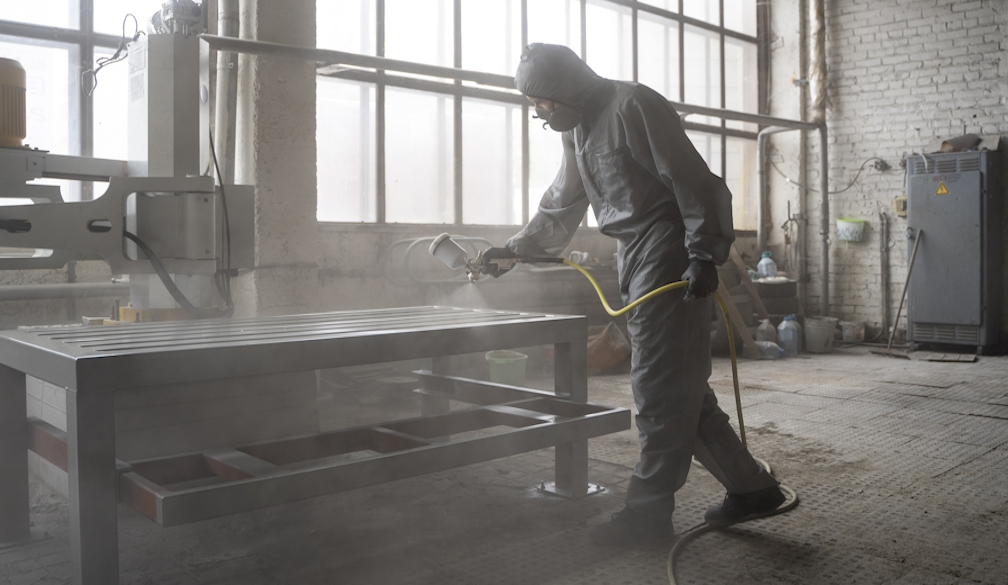
Surface preparation is an essential step in many industrial processes. Whether preparing metal structures, removing old coatings, or cleaning equipment, proper surface treatment ensures durability and performance. One of the most widely used techniques for this purpose is abrasive blasting, which effectively removes contaminants and prepares surfaces for further treatment.
Another widely used method is wet blasting, which combines abrasive materials with water to create a controlled cleaning process. This technique reduces dust while still providing powerful surface cleaning results.
What Abrasive Blasting Is and How It Works
Abrasive blasting is a process that uses high-pressure air or mechanical force to propel abrasive materials against a surface. These materials remove rust, paint, scale, and other contaminants from surfaces.
The process is widely used in industries such as construction, manufacturing, automotive repair, and shipbuilding. By cleaning surfaces thoroughly, abrasive blasting prepares materials for painting, coating, or further manufacturing processes.
Different abrasive materials can be used depending on the application. Common materials include sand, glass beads, steel grit, and aluminium oxide.
Why Surface Preparation Is Important
Surface preparation plays a critical role in ensuring the effectiveness of coatings and finishes. If surfaces are not cleaned properly, coatings may not adhere correctly, leading to premature wear or failure.
Abrasive blasting creates a clean and textured surface that allows paints and protective coatings to bond more effectively. This improves the durability and lifespan of the finished product.
Proper preparation also helps remove corrosion and contaminants that could weaken structural materials.
Benefits of Wet Blasting Technology
Wet blasting offers several advantages compared to traditional dry blasting methods. By introducing water into the process, it reduces the amount of airborne dust generated during surface cleaning.
This makes wet blasting safer for workers and more suitable for environments where dust control is important.
The water also helps cool the surface during blasting, reducing heat buildup and minimising potential damage to delicate materials.
Wet blasting is commonly used for cleaning sensitive equipment, restoring automotive parts, and preparing surfaces in environments where dust must be controlled.
Applications Across Different Industries
Abrasive blasting is used across a wide range of industries that require effective surface preparation.
In construction, it is used to clean steel structures before applying protective coatings. Removing rust and old paint ensures that new coatings adhere properly and provide long-lasting protection.
The automotive industry uses blasting techniques to restore vehicle components and prepare them for painting.
In marine environments, blasting is essential for maintaining ships and offshore equipment exposed to harsh conditions.
Manufacturing industries also use blasting to clean parts before assembly or finishing.
Improving Durability and Performance
One of the primary goals of abrasive blasting is to improve the durability of materials. By removing contaminants and preparing surfaces correctly, the process helps ensure that coatings and finishes perform as intended.
Properly prepared surfaces are less likely to experience peeling, cracking, or corrosion. This improves the overall performance and lifespan of equipment and structures.
In industries where safety and reliability are critical, effective surface preparation is essential.
Environmental and Safety Considerations
Modern blasting processes incorporate safety and environmental measures to minimise risks. Equipment is designed to control abrasive materials and reduce exposure to dust and debris.
Wet blasting methods further improve safety by reducing airborne particles. This helps protect workers and surrounding environments.
Many industries also use recyclable abrasive materials to reduce waste and improve sustainability.
Proper safety procedures, protective equipment, and controlled blasting environments ensure that these processes remain safe and efficient.
Choosing the Right Blasting Method
Different surfaces and materials require different blasting techniques. Factors such as material type, level of contamination, and desired finish determine which method is most appropriate.
Dry abrasive blasting is often used for heavy-duty cleaning and large industrial projects. Wet blasting may be preferred for delicate surfaces or environments where dust must be minimised.
Selecting the right method ensures effective cleaning without damaging the material being treated.
Conclusion
Abrasive blasting plays a crucial role in industrial surface preparation by removing contaminants and preparing materials for coatings or finishing processes. Its effectiveness makes it an essential technique across industries ranging from construction to manufacturing.
Wet blasting adds further benefits by reducing dust and improving safety in controlled environments. Together, these technologies ensure that surfaces are properly prepared for long-lasting performance.
By using advanced blasting techniques and proper safety measures, industries can maintain equipment durability, improve coating adhesion, and support efficient manufacturing processes.


















