

Why Commercial Construction Companies Play A Critical Role In Modern Urban Development
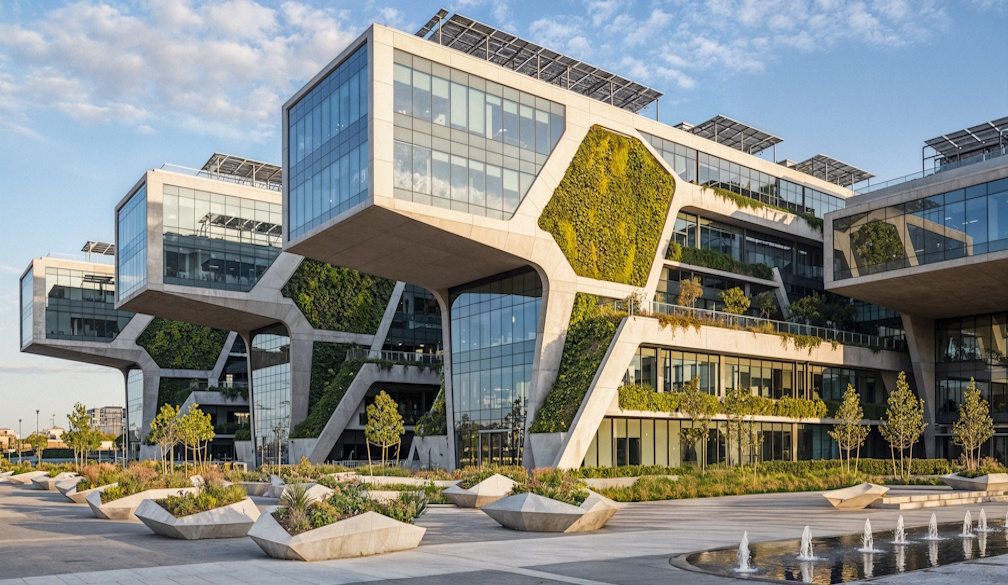
Urban development requires highly organised planning, engineering expertise, and professional construction teams capable of delivering complex building projects. As cities continue to expand and infrastructure demands grow, many developers rely on commercial construction companies in Melbourne to build large scale structures such as office buildings, industrial facilities, retail centres, and public infrastructure.
Commercial construction companies are responsible for managing large projects from the initial planning stages through to completion. Their work ensures that buildings are constructed safely, efficiently, and according to strict engineering and regulatory standards.
Understanding The Scope Of Commercial Construction
Commercial construction differs significantly from residential building projects. While residential construction focuses primarily on homes and small residential buildings, commercial construction involves larger structures that support businesses and public services.
These projects may include office towers, hospitals, schools, warehouses, shopping centres, and industrial complexes. Because of the scale and complexity involved, commercial construction companies must coordinate multiple teams of engineers, architects, contractors, and specialists.
Project management plays a crucial role in ensuring that construction activities progress smoothly and that each stage of the project meets design and safety requirements.
Planning And Design In Commercial Projects
Before construction begins, detailed planning and design work must be completed. Architects and engineers collaborate to create building designs that meet both functional and aesthetic requirements.
Structural engineers analyse factors such as load distribution, material strength, and environmental conditions to ensure that the building can safely support its intended use. Construction teams then review these plans to determine the most efficient building methods and materials.
Careful planning helps minimise delays and ensures that the project proceeds according to schedule.
Importance Of Strong Foundations
One of the most important aspects of commercial construction is the foundation system. Large buildings require strong and stable foundations capable of supporting significant structural loads.
Engineers conduct soil testing to determine the appropriate foundation design for the project site. Depending on soil conditions, different foundation techniques may be used to ensure long term stability.
Commercial footing systems are designed to distribute the weight of the building evenly and prevent structural movement over time.
Coordination Of Multiple Construction Trades
Commercial construction projects involve a wide range of specialised trades. Structural contractors build the main framework of the building, while electricians, plumbers, and mechanical engineers install essential systems.
Interior specialists then complete finishing work such as flooring, ceilings, and fixtures. Throughout this process, project managers coordinate the activities of each team to ensure that work is completed efficiently.
Effective communication between these teams is essential to avoid delays and maintain high construction standards.
Safety And Regulatory Compliance
Construction sites must follow strict safety regulations to protect workers and the public. Commercial construction companies implement safety protocols that include protective equipment, hazard assessments, and regular safety training.
Building codes and government regulations also require construction projects to meet specific structural and environmental standards. These regulations ensure that buildings remain safe for occupants throughout their lifespan.
Compliance with these standards is carefully monitored throughout the construction process.
Use Of Advanced Construction Technology
Modern construction projects increasingly rely on advanced technology to improve efficiency and accuracy. Digital design tools, building information modelling systems, and automated equipment help engineers and contractors manage complex projects.
These technologies allow construction teams to visualise building designs, identify potential challenges, and optimise construction methods before work begins.
Technology also helps monitor project progress and maintain precise quality control during construction.
Supporting Economic Growth And Infrastructure
Commercial construction projects play an important role in economic development. New buildings create spaces for businesses, healthcare facilities, educational institutions, and public services.
These developments support job creation and contribute to the growth of local communities. Infrastructure projects such as transportation hubs and industrial facilities also enhance regional connectivity and productivity.
By delivering reliable and well designed structures, commercial construction companies contribute significantly to urban growth and development.
Conclusion
Commercial construction companies are essential partners in building modern cities and supporting economic growth. Through careful planning, engineering expertise, and coordinated project management, these companies deliver large scale structures that meet the needs of businesses and communities. As urban development continues to expand, commercial construction will remain a critical component of building the infrastructure that supports modern society.


















