

Heading back to the gym? Here's how to avoid injury after coronavirus isolation
- Written by Christopher Williams, Associate Professor, University of Newcastle and Program Manager, Hunter New England Local Health District, University of Newcastle
To the joy of many, indoor gyms are reopening across Australia as coronavirus restrictions continue to ease.
They officially reopen in New South Wales on June 13, in Tasmania two days later, and in Victoria on June 22. They are already open in the Northern Territory, Australian Capital Territory, Queensland, South Australia and Western Australia.
However, before we pick up the dumbbells once again, we might need to be cautious. During the pandemic, many of us have been more sedentary and those of us working from home have missed out on incidental exercise such as walking to the train station.
When we exercise less, our physical condition declines, which may increase the risk of injury. So how can we return to the gym safely?
What is deconditioning?
Humans are bioplastic. That means we respond to what we do with our bodies. Usually, our body responds positively to exercise: we get fitter and stronger, and our mental and physical health improves. When we stop being active, our physical condition declines. This is known as “deconditioning”.
Deconditioning can happen quickly. Some studies show significant decline in muscle mass, physical function, strength, aerobic capacity and metabolic function in as little as 10 days of inactivity.
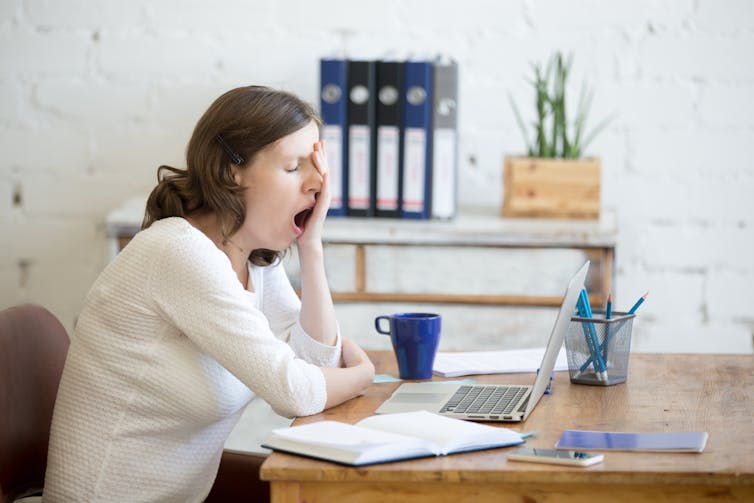 When we’re inactive, our body adapts to the lack of exercise. Restarting activity too quickly risks injury. Shutterstock
What are the risks?
While deconditioning can be rapid, reconditioning the body is slower. Upon returning to the gym we might feel like our muscles are “tighter” and we’re breathing more heavily. We may also feel that our joints are stiff, or that we reach our pain threshold well before we are used to. These are all normal signs that should improve after a few workouts or over several weeks.
Read more: Health Check: how to start exercising if you're out of shape
But engaging in high-intensity movements or increasing loads too quickly can be a risk for injury. People might assume they can jump back into pre-pandemic exercise without considering the reduced capacity of their body.
Research has found novice exercisers and those with lower activity before starting gym-based exercise are more likely to experience injury on their return to the gym. The most common conditions reported by these people are back pain or knee pain.
Ease into it
To prevent this, the recommendation is to ease back into your exercise routine. Consider reducing your intensity or load to 70-80% of your pre-pandemic efforts for a few weeks. If you’re used to doing a 50kg bench press, consider starting at around 35kg and building gradually from there.
Make sure to use a specific warm-up for the exercise you do. For example, if you are doing calf raises, warm up by doing them without weights before progressing to using your desired load.
We also recommend you set realistic goals to allow your body to adjust and to focus on re-establishing healthy habits and routine.
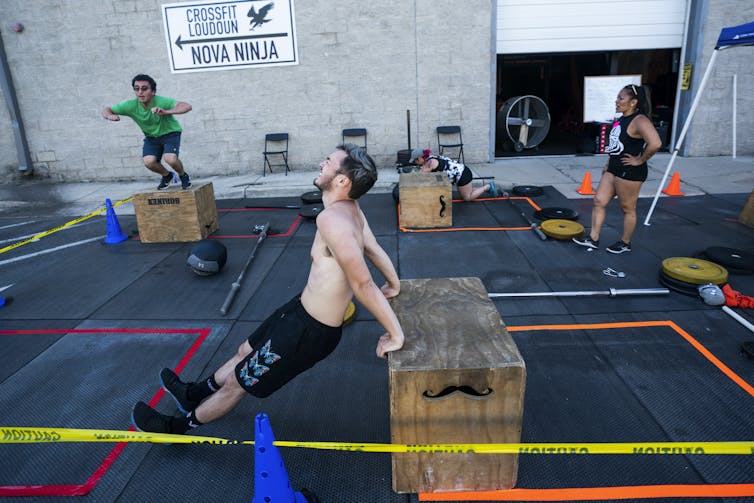 When returning to exercise, drop your workouts to around 70% of where you were at before the pandemic started. Jim Lo Scalzo/EPA
As you ease back into exercise, it is wise to acknowledge everything happening in your life. Our physical responses to exercise are influenced by a range of factors. Poor sleep, stress, nutrition, alcohol intake, our history of exercise and many other factors can affect our body’s response and risk of injury.
For example, you could lower your expectations for a workout if you’ve had poor sleep recently. Fatigue can lead to poor focus and is linked with a higher risk of injury. Sleeping well is also important for recovery from fatigue caused by exercise.
Checking in with yourself, before and during your workout, allows you to recognise when you can go harder or back off. Professional athletes and coaches use this principle of “auto-regulation” by monitoring how they feel and perform on the day. They can then modify exercise loads, intensity, and the type of exercise to prevent overdoing it.
Why am I so sore?
Common aches and pains have many causes, and are not always the result of injury. Also, complete rest isn’t always the best way to manage them. This is particularly the case for common problems such as back pain.
Read more: Ouch! The drugs don't work for back pain, but here's what does
We often think we should lie on the couch if we have a sore back. But it is often safe and beneficial to continue some activity within your limits while your body heals. If you do feel pain throughout or after exercise, recognise in the majority of cases, your body will heal quickly with no lasting problems. It’s normal for back pain and muscle strains to take a few weeks to resolve.
However, if your pain gets increasingly worse over a few days it’s wise to get it checked out by a health professional.
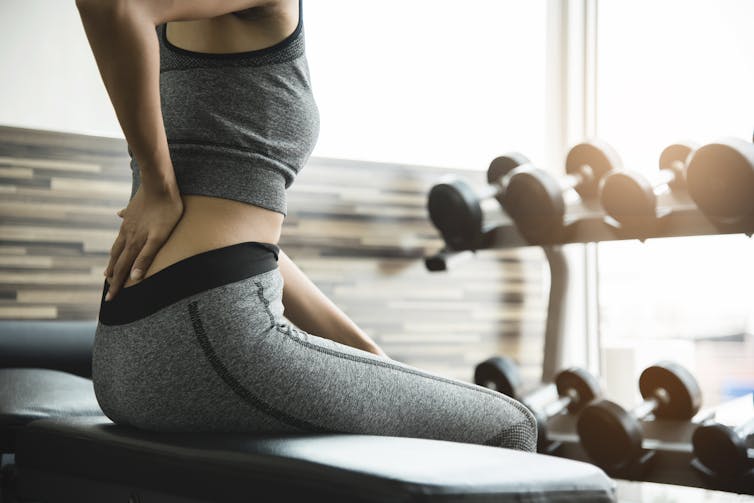 Many of us lie in bed when we get back pain. But getting moving can actually improve symptoms. Shutterstock
Remember, the benefits of exercise far outweigh the potential risks when getting back into the gym. Your enthusiasm just needs to be tempered with a realistic view of your current condition, not the memory of your ability three months ago.
Read more: Coronavirus has boosted telehealth care in mental health, so let's keep it up
If you are unsure how to approach returning to exercise, you can speak to your health provider. Most GPs, physiotherapists and exercise physiologists now offer telephone consultations. They can assess your individual risks and give you specific advice on the best way to get back into the gym safely and improve your fitness.
Lauren Devine contributed to this article.
This article is supported by the Judith Neilson Institute for Journalism and Ideas.
Authors: Christopher Williams, Associate Professor, University of Newcastle and Program Manager, Hunter New England Local Health District, University of Newcastle

















