

Sensors in public spaces can help create cities that are both smart and sociable
- Written by: Christian Tietz, Senior Lecturer in Industrial Design, UNSW
How are smart cities meant to meet citizen needs? Big data from a network of sensors can give managers and planners a real-time, big-picture overview of traffic flows, public transport patronage, and water and power use. However, the needs of people in the city must be met at both the meta and micro levels.
To do this we need site-specific and real-time information on how people use and value public spaces. Smart technology can collect this information from public spaces. This involves asking questions such as who is using it, how, why and for how long?
Read more: People-friendly furniture in public places matters more than ever in today's city
We are investigating these questions in collaboration with Street Furniture Australia and Georges River Council in New South Wales, with funding from the Commonwealth Smart Cities and Suburbs Program.
As cities densify and apartment living becomes the norm, public outdoor spaces will be increasingly important for everyday socialisation, as well as special gatherings and celebrations. Planners and urban designers need to develop their understanding of exactly how these valuable public spaces work to maximise their social and functional amenity.
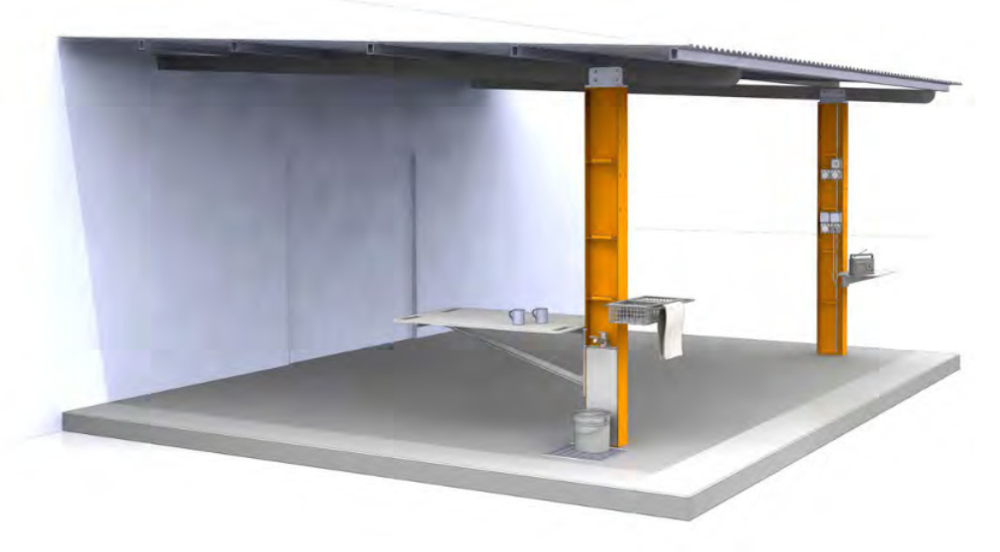 Georges River Council is looking at ‘healthy living hardware’ that, for example, improves outdoor cooking facilities by including preparation areas and wash stations.
Author provided
Georges River Council is looking at ‘healthy living hardware’ that, for example, improves outdoor cooking facilities by including preparation areas and wash stations.
Author provided
What is the project about?
The team will record the detailed use of two public spaces. At first, behaviour mapping will provide detailed observational information about what’s happening in both spaces. The team will then embed invisible digital sensors in and on street furniture.
We will target picnic tables, rubbish bins, barbecues, seats, cigarette ash receptacles, bubblers, power points and lights. The sensors will measure usage, including water and power consumption. They will also provide real-time messages to the council on whether, for example, an ash receptacle is overheating, or a street bollard is damaged.
Information like this can be used to improve the amenity and user experience of public open spaces, as well as help to manage these spaces more efficiently.
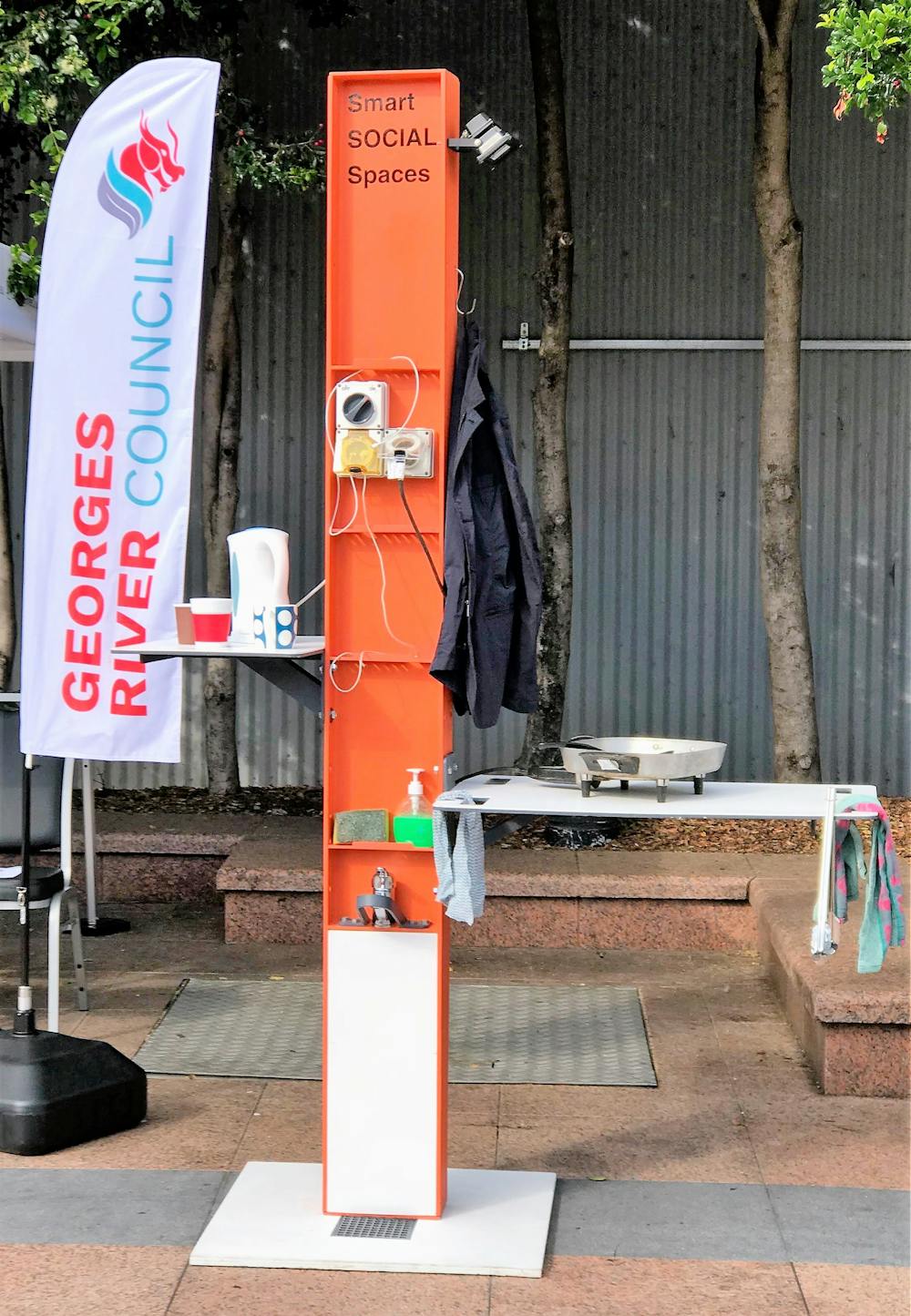 The idea of smart public space is to maximise the public uses and benefits.
Author provided
The idea of smart public space is to maximise the public uses and benefits.
Author provided
Our public spaces can be great social spaces, or merely places for through traffic. An experiment in Canberra’s Garema Place by Street Furniture Australia shows how such a thoroughfare can be turned around.
In response to simple design changes, such as seating, the number of people visiting and staying in the space grew. So too did the diversity of visitors, with families and children coming into the space. This extra activity benefited nearby shops.
So what can smart technology achieve?
One example of smart furniture is smart bins. Street Furniture Australia already has a product with sensors that tell council maintenance crews how full the bin is and whether it needs to be emptied. This information could yield insights about how these bins are being used and when.
In another example, a seat or bench that is hardly being used could be broken or too exposed to weather, and so should be moved. Any lack of use by children or older people could indicate that the location is not child-friendly or not easily accessible, for example. Again, relocation might be considered.
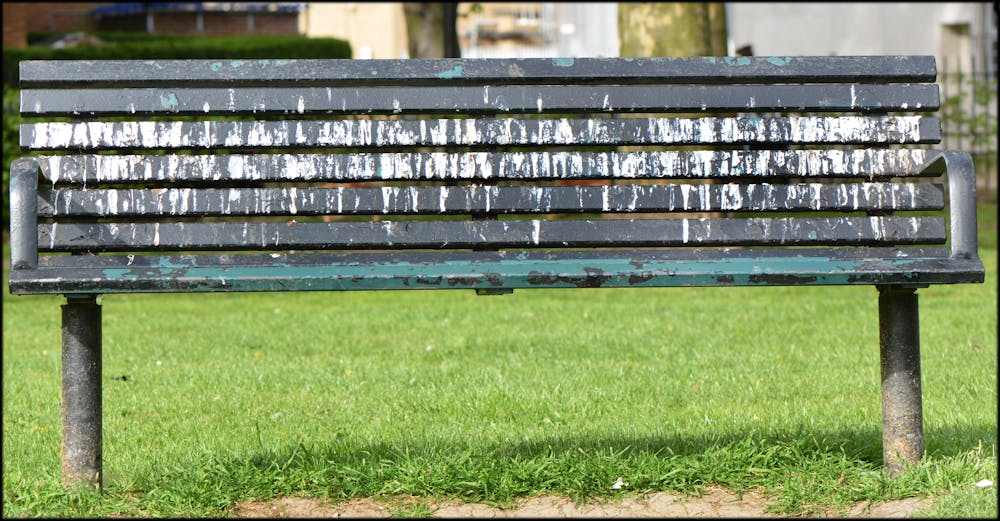 When sensors show seating isn’t being used, that points to a problem – in this case, bird droppings.
Lamiot/Wikimedia, CC BY-SA
When sensors show seating isn’t being used, that points to a problem – in this case, bird droppings.
Lamiot/Wikimedia, CC BY-SA
But what about the users of these spaces?
Smart technology can help to transform the traditional user experience and enhance the capacity of public open space to support 21st-century city living. Think, for instance, of additions such as Wi-Fi or plugin points for laptops and phones.
Cities around the world are exploring how technology can improve the management of public spaces and facilities and better connect residents with local facilities and events. In Tel Aviv, for example, residents are issued with the Digi Tel Card. The card gives live updates about:
- rates and discounts available at sport and recreation facilities
- what is happening in the city
- personalised information based, for example, on cultural or music preferences
- information about issues, such as roadworks or community events, that may disrupt streets.
Isn’t this technology rather intrusive?
While the benefits are many, greater use of technology in parks and the public domain raises questions.
Traditionally, urban parks and open spaces have been places where people go to “unwind”, so installing technological devices there may be seen as invasive. Some people may also feel uncomfortable about governments (albeit local ones) gaining data about them in a place where they want to relax. Additional questions relate to privacy, data ownership and how we can protect the technology from vandalism.
As for concerns about surveillance, the world has changed and the public space realm has changed with it. Walk through any major Australian city CBD and you will be filmed on CCTV. Various smart card ticketing systems (Opal in NSW, myki in Victoria and go card in Queensland) provide a detailed record of everyone’s movements on public transport. Automatic numberplate scanners on tollways and in police cars are recording where we drive.
Even in parks, devices such as mobile phones track our location. By comparison, the sensors on street furniture will be relatively non-invasive and will not identify individual people.
The impetus for this research and data-gathering is to assist local government decision-making. By identifying and collecting relevant data, councils will have much-needed evidence to improve people’s lives as they use different public spaces. New scenarios can be identified, offering alternatives to provide support for different urban activities.
It is hard to predict just how much will need to alter as our cities densify and we increasingly rely on public spaces to meet many of our social needs. By ensuring all the elements of the public realm are efficiently and appropriately serving residents’ needs, planning and design policies and practices will be able to shape 21st-century cities that are both smart and sociable.
Authors: Christian Tietz, Senior Lecturer in Industrial Design, UNSW



















