

So your birth didn't go according to plan? Don't blame yourself
- Written by: Hannah Dahlen, Professor of Midwifery, Western Sydney University
While childbirth is often a joyful event, it rarely unfolds exactly how we think it will. This causes disappointment or distress among some women, and leaves a small proportion with a diagnosis of postnatal post-traumatic stress disorder (PPTSD).
A negative birth means mothers are more likely to be depressed. This can alter the way they engage with their baby, which can impact on the baby’s development. Women’s relationships with their partners (both sexual and emotional) can also become strained.
A recent survey of Australian women found only 58% of women who gave birth in a hospital or birth centre got the birth they wanted and 27% did not. Women were more likely to view the birth as negative if they had an instrumental birth (with forceps of vaccuum) or caesarean section.
Partners also increasingly report feeling distressed, traumatised and helpless when things go wrong in labour.
After a traumatic birth, the fear of something similar happening can be so intense some women delay subsequent pregnancies; request caesarean sections or avoid hospitals for future births; or simply never have another baby.
Read more: For some women, unassisted home births are worth the risks
Why doesn’t it go according to plan?
Most women want a normal, vaginal birth and many want to be able to do this without pain relief and any medical intervention.
The reality in Australia is this may not happen, especially if this is the first baby.
When expectations of childbirth don’t match reality, women can feel like a failure – and are somehow at fault.
But women are not able to control the baby’s position, whether the baby gets distressed during labour, her blood pressure rising, or the development of diabetes. These factors may require increased monitoring and interventions such as an emergency caesarean section.
When birth does not go to plan, this is rarely a woman’s fault. It is sometimes a failure on the part of the care providers. And sometimes nothing could have changed the outcome.
It doesn’t help to tell women this is “just one day” in their lives and “at least they have a healthy baby”. This dismisses how women feel and risks women getting “stuck” in their trauma. Remember, there is no one definition of trauma: it is whatever the woman says it is.
Women should feel they can talk about it and seek help if they need it.
Trauma-related mental illness
A small proportion of women who experience trauma in childbirth meet the diagnostic criteria for postnatal post-traumatic stress disorder (PPTSD).
PTSD causes persistent, involuntary and intrusive memories, distressing dreams and dissociative (out of body) reactions after a traumatic event. Postnatal PTSD causes intense or prolonged psychological distress after childbirth.
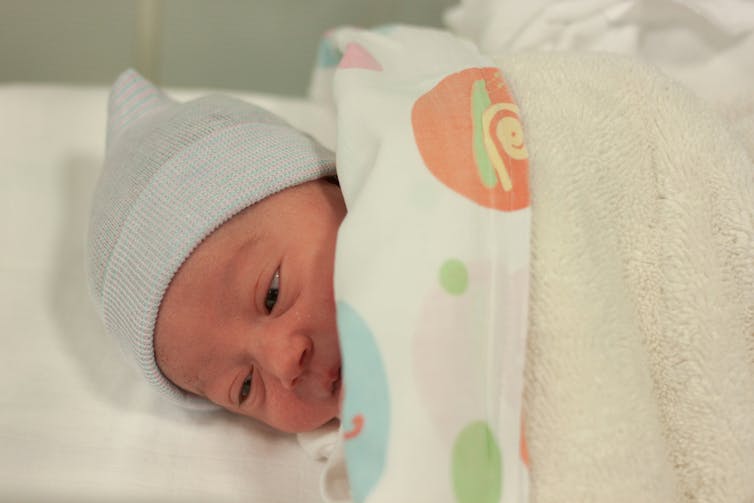 Saying to women who had a difficult or disappointing birth ‘at least you have a healthy baby’ doesn’t help.
Shutterstock
Saying to women who had a difficult or disappointing birth ‘at least you have a healthy baby’ doesn’t help.
Shutterstock
Researchers estimate postnatal PTSD affects between 1.7% and 9% of women who give birth.
Our recently published review of 53 research papers found women are more likely to be diagnosed with PPTSD if they have: a past history of trauma, sexual abuse or domestic violence; complications during the pregnancy, birth, or with the baby (such as the baby needing to be resuscitated); poor or abusive care; and lack of support.
Read more: Treating post-traumatic stress disorder: confronting the horror
Reducing the chance of a poor birth experience
Preparing for birth seems to help women have a more positive experience. Having a birth plan can be an important part of this.
Birth plans enable you to communicate your wishes for the labour and birth clearly to your health care providers, especially if you have not met them before. You might include who you want at the birth, the positions you would like to give birth in, the use of water for pain relief, and so on.
Be flexible and aware you may need to vary this plan, but also remember no one can dismiss your birth plan.
Our 2016 research on childbirth education programs found giving women and their partners tools to manage pain – such as acupressure, breathing, massage and visualisation – reduced rates of birth interventions. With these tools, women and their partners approached birth more positively and were more satisfied with the experience.
Read more: Parent education and complementary therapies reduce birthing risks
My motto with birth preparation is prepare women but don’t scare them. The awful war stories women tell each other about giving birth don’t help. Women should “go there” and consider that birth may require intervention, but not “stay there”. Feeling negative and fearful about the birth can become a self-fulfilling prophecy.
Women who have a midwife they know through the pregnancy, birth and postnatal period have fewer interventions, better outcomes and greater satisfaction with the birth than those who are allotted whoever is on duty that day. Relationship-based care is the safest care, as it allows trust to develop, as well as giving an ongoing opportunity for the woman to discuss what happened.
Health providers can significantly reduce negative birth experiences for women by being kind and respectful, avoiding unnecessary intervention during birth and explaining the reasons for intervention when this is needed.
We need to give women the chance to ask questions, give informed consent and an opportunity to debrief afterwards.
If you feel you need help to work through your feelings about the birth, talk to your midwife, GP or maternal child health nurse, who can refer you to a perinatal counsellor if needed. You can also get a referral from a GP for ongoing psychological treatment.
Resources:
The book How to Heal from a Bad Birth and the consumer group Birth Talk were created for women disappointed or traumatised by their births.
The Positive Birth Movement connects women through social media so they can share stories, expertise and positivity about childbirth. There is also a book based on the movement.
PANDA (Perinatal Anxiety & Depression Australia) and Beyondblue offer support services for women with birth trauma.
Read more: We need to protect new mothers from trauma and suicide
Authors: Hannah Dahlen, Professor of Midwifery, Western Sydney University
Read more http://theconversation.com/so-your-birth-didnt-go-according-to-plan-dont-blame-yourself-89155


















