

It's hard to admit we're lonely, even to ourselves. Here are the signs and how to manage them
- Written by Michelle H Lim, Senior Lecturer and Clinical Psychologist, Swinburne University of Technology
The COVID-19 pandemic has drawn attention to loneliness in Australia.
This is especially so as Melburnians entered the strictest lockdown to date. Meanwhile, the rest of Australia braces for the possibility of a second wave and people are adapting to new habits and restrictions.
This has disrupted our social routines, and in many cases has reduced the number of people we interact with. This makes it harder to maintain meaningful social connections, resulting in loneliness.
But sometimes it can be difficult to tell if you’re feeling lonely or feeling something else. And many people are reluctant to admit they’re lonely for fear it makes them seem deficient in some way.
So what are the signs of loneliness? And how can we recognise these signs and therefore manage them?
Read more: Lonely in lockdown? You're not alone. 1 in 2 Australians feel more lonely since coronavirus
I’m not lonely…
Loneliness is complex. Some people can feel lonely despite having extensive networks, while some others might not, even if they live alone. There are many factors behind this, and the COVID-19 pandemic is another significant one.
Social restrictions during the pandemic mean we are more reliant on existing relationships. People who enjoy brief but multiple social interactions in their daily routine, or simply like being around others, may now find it harder to keep loneliness at bay.
When researchers ask people whether they’re lonely, some deny or reject the idea. But when asked in a different way, like whether they want some company, some of those same people would say yes, they would like company.
This is because there’s a social stigma to loneliness. We often think it is somehow our own fault or that it reveals some personal shortcoming. Loneliness evokes a particularly vulnerable image, of someone living alone with no one around them.
One survey also found men are less likely to say they’re feeling lonely, although this research was published before COVID-19.
“Max”, aged 21, was interviewed as part of an upcoming project being done by Ending Loneliness Together, an organisation that addresses loneliness in Australia. He has experienced periods of loneliness, and said:
I think specifically for men, [they] lock themselves away because they don’t know how to verbalise that feeling. It demonstrates the real disparity in the way in which we expect our men to engage in their emotions.
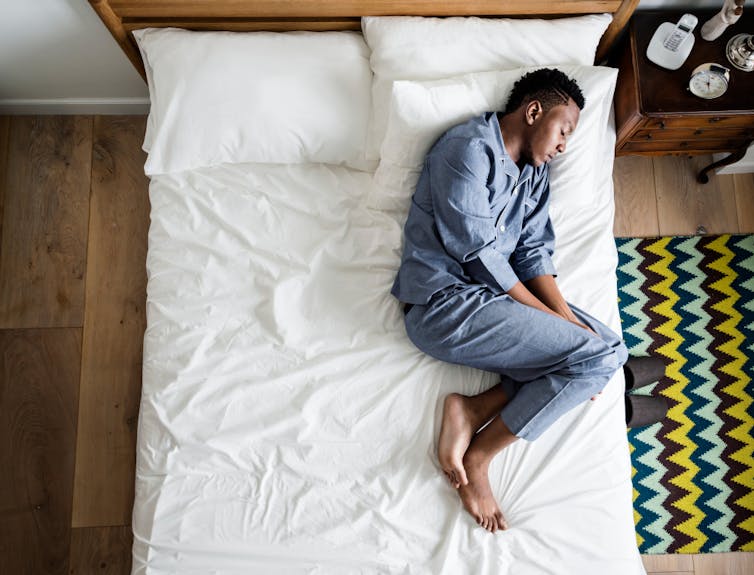 Men are less likely than women to say they’re feeling lonely, even if they are.
Shutterstock
Men are less likely than women to say they’re feeling lonely, even if they are.
Shutterstock
Because of these misconceptions, many who are lonely will overlook their own emerging signs of loneliness in the hope these feelings will go away once they are around people. But seemingly logical solutions like making more friends or knowing more people may not help, if you perceive these relationships to be unhelpful, neutral, ambivalent, or even sources of conflict.
Nevertheless, ignoring growing levels of loneliness will increase our risk of developing poorer physical and mental health.
Signs you might be lonely
Loneliness is a normal signal to connect with others, so it’s unlikely you’ll be able to rid yourself completely of lonely feelings during this time. Instead, we should aim to manage our loneliness so it doesn’t become severely distressing.
More often than not, we might not be willing to admit even to ourselves that we’re feeling lonely. The COVID-19 pandemic may be a trigger, but there is a range of factors that can lead you to feel lonely, sometimes without even realising.
This can make it hard to be consciously aware of any loneliness you might be experiencing, particularly if the pandemic has left you feeling busier and more stressed than usual.
Here are some signs you might be feeling lonely. To a certain extent, you feel that:
you are not “in tune” with others
your relationships are not meaningful
you do not belong
you do not have a group of friends
no one understands you
you do not have shared interests with others
there is no one you can turn to.
It’s important to remember, though, not all of these may relate to you and you may experience these in varying degrees.
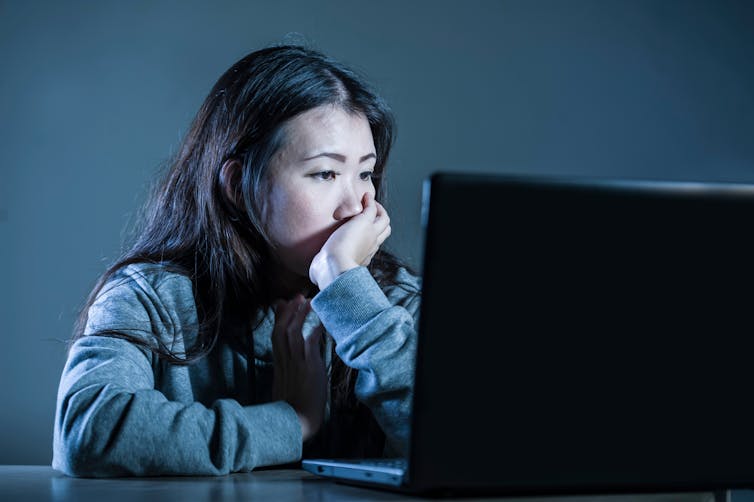 We’re often hesitant to admit we’re lonely because of the stigma associated with loneliness — that it’s somehow our fault or we’re deficient in some way.
Shutterstock
We’re often hesitant to admit we’re lonely because of the stigma associated with loneliness — that it’s somehow our fault or we’re deficient in some way.
Shutterstock
How to manage your loneliness
Because of the complexity of loneliness, there is no one-size-fits-all solution. To find the best solution for you, reflect on your personal preferences, previous experience, and your capacity to reach out to your social networks.
During the pandemic, the solutions you select will differ depending on the social restrictions in your state. Even under the strictest social restrictions (in Melbourne), some of us have been fortunate to have a friend or a neighbour in our area with whom we can walk and chat while still adhering to public health directives. For others, getting in touch via Zoom or a phone call may be the only option.
For those who can, establishing shared goals or activities with friends, family, or colleagues can be helpful. These provide positive social support and facilitate a sense of achievement when meeting those goals. This might include setting self-care goals such as exercise, meditation, cooking, hobbies, or learning new skills. But equally, it’s not a sign of “failure” if you don’t do these things.
Friendships are good for our health, but making a new friend can be taxing for some people.
Instead, perhaps think about how you can work on existing relationships. Pick what feels right and is feasible for you. If improving the ties you already hold is all you can do, focus on this. And if you are reaching out to people outside your familiar network, it doesn’t have to be confronting. A simple hello is a small step towards more meaningful interactions in the future.
Social restrictions including isolation, quarantining, and social distancing are public health measures we’ve become acquainted with since the onset of COVID-19. Although these restrictions modify our social interactions physically, they don’t mean we can’t stay meaningfully connected to each other. This is why many prefer the alternative term “physical distancing”.
We can, and should, stay socially connected while being physically apart.
Read more: Loneliness is a social cancer, every bit as alarming as cancer itself
Authors: Michelle H Lim, Senior Lecturer and Clinical Psychologist, Swinburne University of Technology

















