To safeguard children's mental health during COVID-19, parents must look after their own
- Written by Sarah Whittle, Associate Professor in Psychiatry, University of Melbourne
The negative mental health impacts of the COVID-19 pandemic are clear, but there is particular concern children will be most affected in the long run.
By the end of March school closures were impacting 91% of the world’s student population and are still affecting more than 60%. These closures limit children’s opportunities for important social interactions, which can harm their mental health.
In particular, home confinement, fears of infection, family stress and financial loss may have negative effects on the mental health of young people. And research carried out earlier in the pandemic suggested these effects may be most pronounced for children with pre-existing mental health problems.
Which children are most at risk?
Parents have an important role to play in safeguarding children’s mental health during COVID-19.
Research shows family relationships are more influential during situations that cause stress over an extended period of time than during acute periods of stress. This means family factors are likely to be even more important to childrens’ mental health during COVID-19 than during more fleeting traumatic experiences such as exposure to a natural disaster.
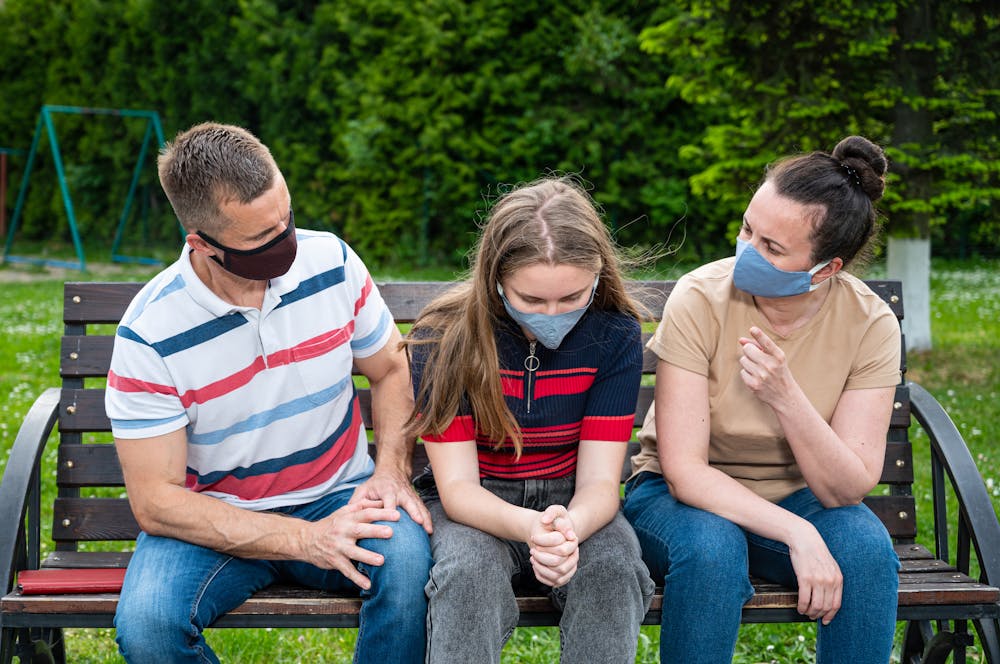 The family is most influential during situations that cause stress over an extended period of time.
Shutterstock
The family is most influential during situations that cause stress over an extended period of time.
Shutterstock
In our recent study, we found 81% of children aged 5-17 had experienced at least one trauma symptom during the early phase of COVID-19. For instance, some children had trouble sleeping alone, or acted unusually young or old for their age.
Our unpublished research relied on reports from parents from Australia and the United Kingdom. We also found increases in emotional problems were common. For instance, according to their parents 29% of children were more unhappy than they were before COVID-19.
Importantly, our study found several parent and family factors that were important in predicting changes in children’s mental health problems.
Here are four of our main findings.
Read more: Number of Australia's vulnerable children is set to double as COVID-19 takes its toll
1. Parents’ distress matters
Increased personal distress reported by parents was related to increases in their child’s mental health problems during COVID-19. This distress refers to both general stress in addition to COVID-specific worry and distress. It also includes anxiety related to problems that existed before COVID-19.
For this reason it’s important parents look after their own mental health and stress levels. Seeking psychological help is a good option for parents who are struggling to cope.
Through a GP referral, Australians can receive ten sessions of psychological care per year through Medicare. Victorians who are currently subjected to further restrictions can now receive up to 20 sessions.
 If you’re a parent struggling during the pandemic, there’s help available. Though Medicare you can receive 10 sessions of psychological care, or 20 sessions is you’re a Victorian.
Shutterstock
If you’re a parent struggling during the pandemic, there’s help available. Though Medicare you can receive 10 sessions of psychological care, or 20 sessions is you’re a Victorian.
Shutterstock
2. Good family relationships help
Higher levels of parental warmth and family cohesion were associated with fewer trauma symptoms in children. “Parental warmth” refers to being interested in what your child does, or encouraging them to talk to you about what they think; “family cohesion” relates to family members helping and supporting each other.
In other research these factors have consistently been found to relate to children’s adjustment to stress and trauma.
Read more: P is for Pandemic: kids' books about coronavirus
Fortunately, there is a range of resources parents can use to help improve relationships with their children.
Some parents may also find taking part in a parenting course helpful. Partners in Parenting, Triple P and Tuning into Kids are available online.
3. Parents’ optimism can be contagious
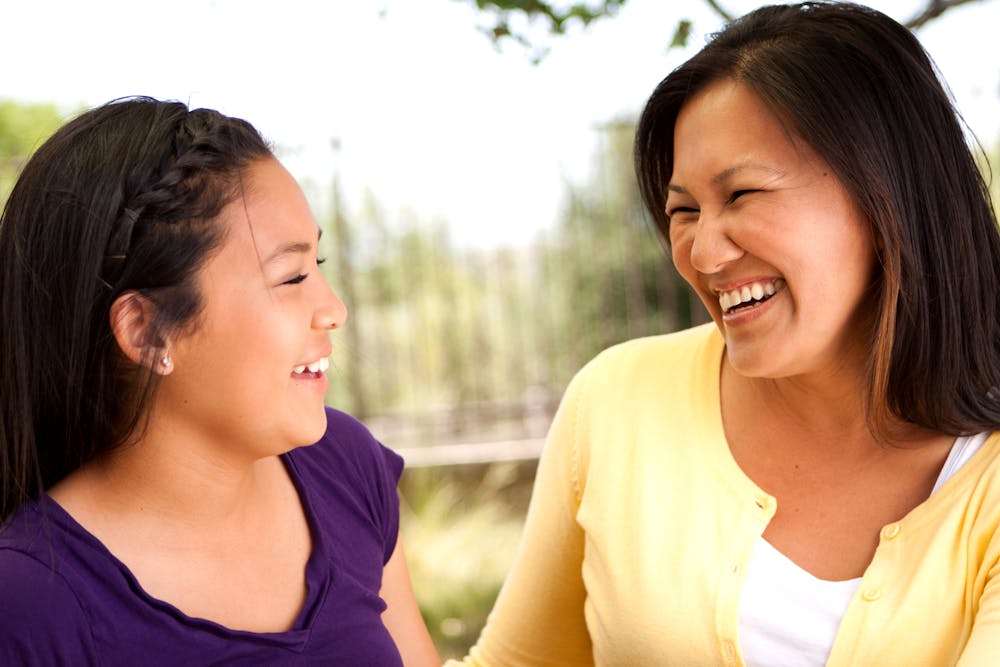 Children observe their parent’s behaviour – if you can try to see the silver lining your children might too.
Shutterstock
Children observe their parent’s behaviour – if you can try to see the silver lining your children might too.
Shutterstock
While COVID-19 is having many negative impacts, some parents in our study also identified unexpected positive impacts, such as being able to spend more time with family. Children of these parents were less likely to experience an increase in some problems – particularly problems with peers such as being bullied.
Children observe parents’ behaviours and emotions for cues on how to manage their own emotions during difficult times. Trying to stay positive, or focus on the bright side as much as possible is likely to benefit children.
Read more: Want to see a therapist but don't know where to start? Here's how to get a mental health plan
4. Some effects are greatest for vulnerable families
We found parents’ behaviour was particularly influential in lower socioeconomic backgrounds and single-parent families. In poorer families, parental warmth was particularly important in buffering children’s trauma symptoms. And in single-parent families, parental stress was more likely to predict behavioural problems in children.
This may be because poorer and single-parent families already face more stress, which can negatively impact children. Parental warmth can counteract the effects of these stresses, whereas high parental stress levels can increase them.
Research has already shown the pandemic will have greater negative impacts on those who have less resources available to them. This points to a need for extra psychological and financial support for these families. Governments and other organisations will need to take this into account when targeting their support packages.
Read more: 8 tips on what to tell your kids about coronavirus
It’s important to keep in mind child-parent relationships are a two-way street. Our research examined relationships at only one point in time, so we don’t know the extent to which our findings reflect a) parents causing changes in their children’s mental health, or b) changes in children’s mental health impacting parents, or the way a family functions. Research needs to follow children and their families over time to tease apart these possibilities.
Given prevention is always better than cure, parents and families should seek help early to build the right foundations to safeguard the mental health of their children.
Authors: Sarah Whittle, Associate Professor in Psychiatry, University of Melbourne