The NSW bushfire inquiry found property loss is ‘inevitable’. We must stop building homes in such fire-prone areas
- Written by Mark Maund, Research Affiliate, School of Architecture and Built Environment, University of Newcastle
Yesterday, the New South Wales government accepted all 76 recommendations from an independent inquiry into last summer’s devastating bushfire season. Several recommendations called for increased hazard reduction, such as through controlled burning and land clearing.
But clearing and burning vegetation will hurt our native flora and fauna, which is still recovering from the fires. Rather than clearing land to reduce the bushfire risk, we must accept we live on a fire-prone continent and improve our urban planning.
Read more: Summer bushfires: how are the plant and animal survivors 6 months on? We mapped their recovery
Importantly, with fires set to become more frequent and severe under climate change, we must stop choosing to live in bushland and other high-risk areas.
Inquiry recommendations
The bushfire inquiry was conducted over six months, with former Deputy Commissioner of NSW Police Dave Owens and former NSW Chief Scientist and engineering professor Mary O’Kane at the helm.
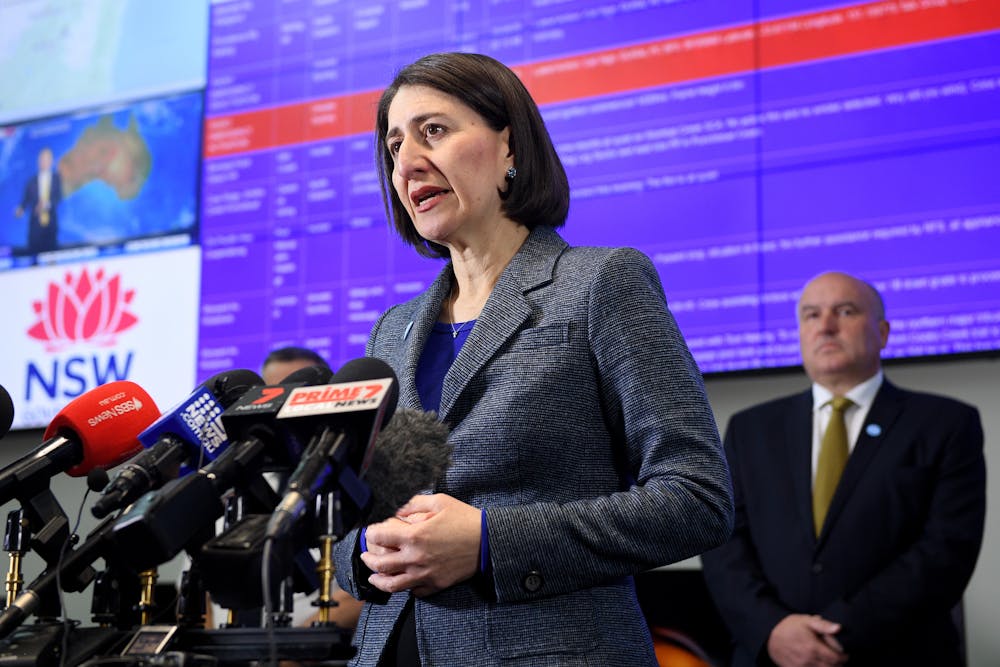 The NSW government accepted all recommendations from the independent inquiry.
AAP Image/Dan Himbrechts
The NSW government accepted all recommendations from the independent inquiry.
AAP Image/Dan Himbrechts
It found changes are needed to improve the preparedness and resilience of local commmunities, as well as fire-fighting techniques, such as use and availability of equipment. And it noted prescribed burning should target areas such as ridge tops and windy slopes. These are areas that drive fires towards towns.
Other important recommendations involved:
- training fire authorities to fight megafires and councils to manage local emergencies
- strengthening collaboration between agencies
- improving information and warnings, and overall communications
- indoor and outdoor Neighbourhood Safer Places (places of last resort)
- improving mapping of buildings at risk of bushfire
- ensuring personal protective equipment for land owners and fire fighters
- improving assistance for vulnerable people.
But a key finding was that there’s still a lot to learn, particularly about bushfire suppression methods. As a result, future property losses are “inevitable”, given settlement patterns and “legacy development issues”.
What risk are we prepared to accept?
If we as a community accept that property loss will occur, we should choose the level of risk we’re prepared to take on and how that will affect our environment.
Building homes in high bushfire risk areas requires a combination of land clearing to reduce flammable material such as dry vegetation, and ensuring your home has a fire-resilient design.
Read more: Australian building codes don't expect houses to be fire-proof – and that's by design
But after the unprecedented megafires of last summer, it’s clear living in these areas still exposes residents and firefighters to high risk while trying to protect buildings and the community.
Bushfire prone areas are often on the periphery of cities and towns, such as Sutherland in the south of Sydney, coastal areas such as the South Coast and Central Coast, or remote communities including Wytaliba in northern NSW. These areas contain a mix of medium to low density housing, and are typically close to heavy vegetation, often combined with steep slopes.
 A house surrounded by dense bushland. Building in locations like this is a bad idea when Australia is so prone to bushfires.
AAP Image/Julian Smith
A house surrounded by dense bushland. Building in locations like this is a bad idea when Australia is so prone to bushfires.
AAP Image/Julian Smith
But we should not continue to develop into these high risk areas, as the associated land clearing is too significant to our ecosystems and may still result in houses being lost.
Protecting our wildlife
It’s estimated more than 800 million animals were killed in the NSW bushfires, and more than one billion killed nationally.
The clearing of native vegetation is recognised as a major threat to biological diversity: it destroys habitats, can lead to local wildlife populations becoming fragmented, and increases the exposure to feral predators such as cats and foxes.
Read more: The burn legacy: why the science on hazard reduction is contested
In 2018 around 60,800 hectares of woody vegetation was cleared in NSW for agriculture, infrastructure and forestry. This is an increase of 2,800 hectares from the year before.
If we continue to build in high risk areas and clear trees to create asset protection zones, we will add to the ongoing pressure on wildlife.
Where should we build?
Rather than trying to modify the environment by clearing trees, we must plan better to avoid high risk bushfire areas. This was reinforced in the inquiry report, which called for a more strategic approach to where we locate new developments.
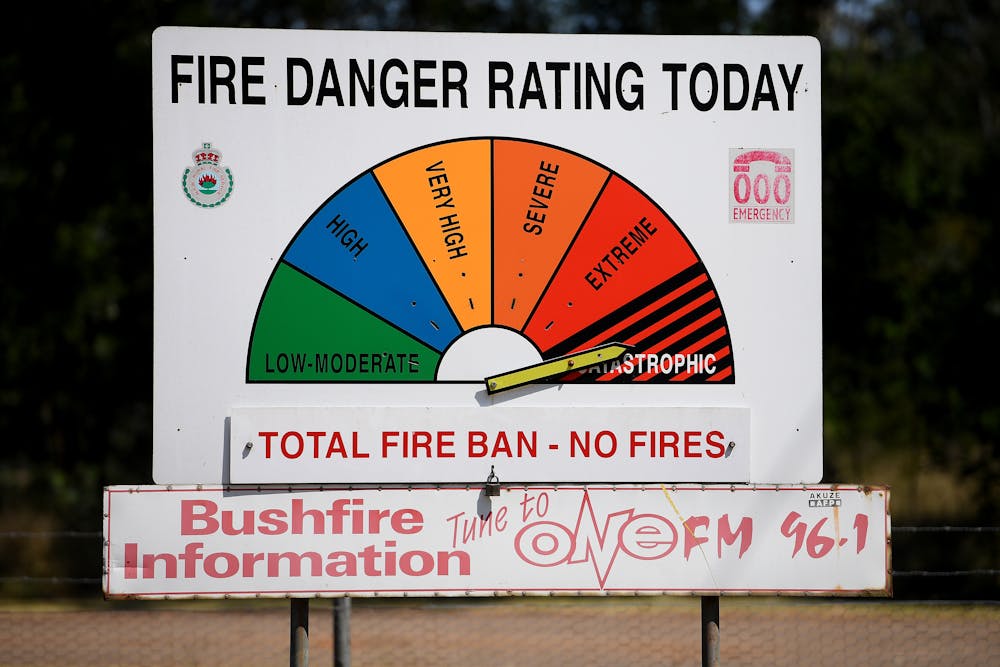 Residents in fire-prone areas are told to evacuate before any fires start when conditions are catastrophic.
AAP Image/Dan Himbrechts
Residents in fire-prone areas are told to evacuate before any fires start when conditions are catastrophic.
AAP Image/Dan Himbrechts
And this focus on planning is reflected in recent policy changes by the NSW Rural Fire Service, Planning Institute of Australia and Australian Institute for Disaster Resilience that encourage resilient communities. For example, the state’s rural fire service’s 2019 guidelines, Planning for Bushfire Protection, place more emphasis on considering bushfire at the rezoning stage to reduce risk to future developments.
We should encourage our communities to grow in low-risk areas away from native vegetation. This includes avoiding the development of new low-density housing in rural and remote locations.
Read more: When there's nowhere to escape, a bushfire-safe room could be your last resort
To further separate our homes from risk, we should also consider instead putting non-residential land — such as for industrial factories and manufacturing plants — closest to vegetation.
Rural houses should be built in more urban settings near existing towns away from dense vegetation, rather than scattered buildings. In larger towns and cities we could focus on brownfield development with little ecological value. “Brownfield” refers to sites that have previously had development on them.
And community buildings such as hospitals, education and emergency services, should be placed in low-risk areas to facilitate response during and after a bushfire event.
While each community should decide how it develops, land rezoning and planning rules should not allow continued expansion into high bushfire risk areas.
Authors: Mark Maund, Research Affiliate, School of Architecture and Built Environment, University of Newcastle