

Wealthier New Zealanders are more likely to buy fluoride-free toothpaste, making a tooth decay 'epidemic' worse
- Written by Matthew Hobbs, Senior Lecturer in Public Health, University of Canterbury
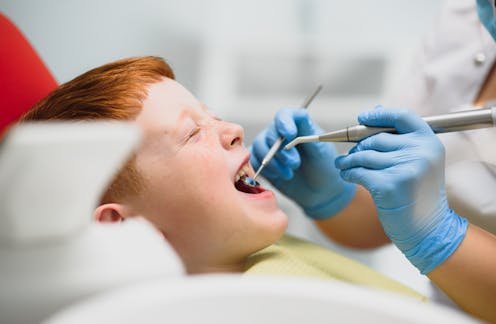
Tooth decay has been described as a neglected epidemic in New Zealand however, our recent research suggests many people are unaware they are contributing to the problem by choosing a fluoride-free or “natural” toothpaste.
The 2016 Global Burden of Disease Study shows dental decay is the most prevalent health condition globally, affecting 2.4 billion people.
While oral health has generally improved in New Zealand, dental decay remains the most widespread chronic and irreversible disease.
Failure to prevent oral diseases comes at significant personal and economic cost. In New Zealand, the cost of treatment of dental diseases is more than NZ$1.1 billion each year. Poor oral health is also linked to lost time at school and poorer school performance, absences from work and a lower quality of life.
Rates of tooth decay in childhood
Earlier New Zealand research shows only two in five children and two in three adults brush their teeth twice daily with fluoride toothpaste.
Our study was the first investigation of the use of non-fluoride toothpaste in a large, nationally representative sample of both adults and children. We wanted to find out which segments of the population are drawn to using non-fluoride toothpaste.
We analysed data from the most recent New Zealand Health Survey, which was the first to include a question about the use of “natural” toothpastes.
Our research found that 6-7% of all children and adults now use a “natural” or non-fluoride toothpaste. The study shows the highest use in moderately and more affluent population groups and middle-aged (35-44 years) people. We found the highest number of non-fluoride toothpaste users (both children and adults) were in the moderate to least deprived areas.
Read more: Dental report card fail: half of adults and one-third of kids don't brush twice a day
Our findings support prior concerns of dentists, particularly about tooth decay in children. A recent study shows 38% of five-year-olds had rotting teeth in 2017. Rates were even higher among Māori and Pacific children compared to other ethnicities. The New Zealand Dental Association has warned the increased popularity of non-fluoride toothpastes raises the risk.
A recent review of the world’s best available evidence shows toothpastes with fluoride are clearly more effective in preventing tooth decay than toothpastes without it. It means using non-fluoride toothpaste, often labelled as “natural”, raises the risk of future dental problems.
Misleading marketing and confusing messages
There is little evidence as to why people choose non-fluoride toothpastes. This is especially perplexing given the vast body of evidence in support of fluoride as a prevention of tooth decay.
Read more: High cost means more than half of NZ's young adults don't access dental care
One plausible explanation is that people think they are doing the “right thing” by choosing a “natural” option. Another more likely reason is that it is difficult to know whether a toothpaste contains fluoride. Current packaging doesn’t always highlight clearly whether a toothpaste contains fluoride or how much. Even if it does show the fluoride concentration, this is often hidden in small text.
In the future, better labelling on toothpaste tubes and packaging will help shoppers understand which toothpaste has fluoride. We also need to stop claims that “natural” toothpastes prevent tooth decay. The world’s best evidence clearly shows non-fluoride toothpastes do not prevent tooth decay.
Marketing is also often inconsistent with Ministry of Health recommendations. Evidence shows that for the toothpaste to work it needs fluoride in it. Adults should use a pea-sized amount and younger children a smear of fluoride toothpaste, without swallowing it.
In the future, it would also be helpful if supermarkets could help consumers make an informed choice by separating fluoride-containing from non-fluoride products. The bottom line is, if you want to avoid future trips to the dentist, your toothpaste should contain fluoride.
Authors: Matthew Hobbs, Senior Lecturer in Public Health, University of Canterbury

















