

Are the kids alright? Social isolation can take a toll, but play can help
- Written by Pasi Sahlberg, Professor of Education Policy, UNSW
Many parents are worried the disruptions of COVID lockdowns and school closures may affect their children’s mental health and development.
In the Royal Children’s Hospital’s National Child Health Poll in June 2020, more than one-third of parents reported the pandemic has had negative consequences on their children’s mental health. Almost half of parents said the pandemic had also been harmful to their own mental health.
Many parents spent at least some months this year supporting their children to learn from home (and still are, in Victoria). This already substantial challenge was complicated by children not being able to go out and play with other children. In Victoria, such restrictions are still in place, although some have been relaxed and playgrounds are open.
Still, it’s fair to say that across the country, some children are not socially engaging with their peers in the same way they did before. This is not only detrimental to children’s learning but also their physical and mental health. It is understandable if parents are worried.
What social isolation means for kids
In June 2020, in the context of COVID-19, a group of researchers in the UK reviewed 80 studies to find how social isolation and loneliness could impact the mental health of previously healthy children. They found social isolation increased the risk of depression and possibly anxiety, and these effects could last several years.
Read more: How to help young children regulate their emotions and behaviours during the pandemic
The review also concluded loneliness puts children’s well-being at risk of these things long after the social isolation period is over.
The impact of social isolation may be particularly significant for children with special educational needs, when support provided at school to them is interrupted.
Other children – perhaps those living in medium and high-density housing with limited access to outdoor play space – may also be particularly vulnerable to the effects of social isolation.
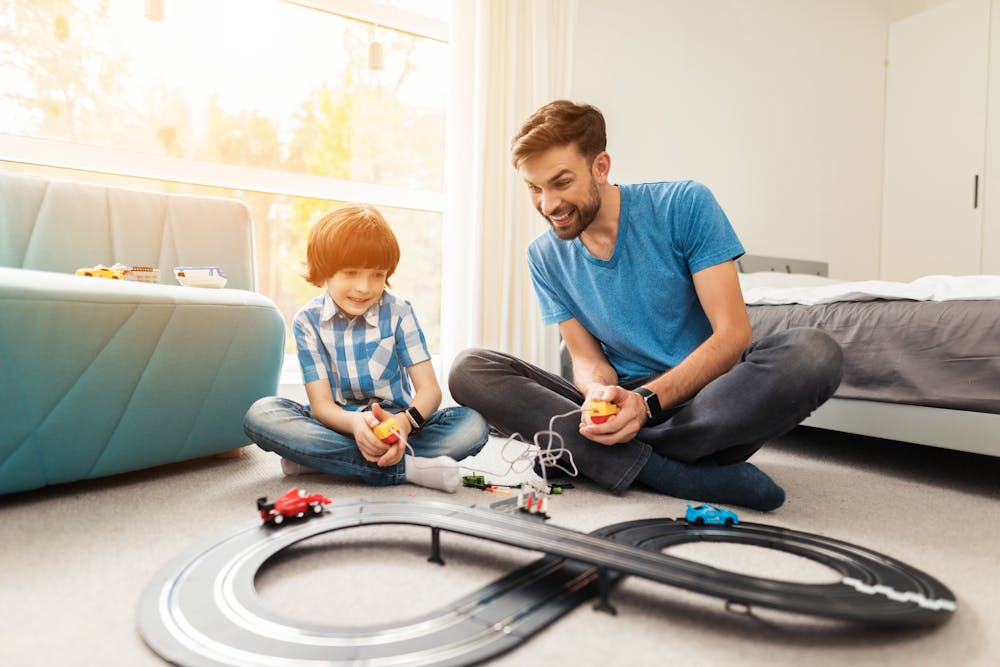 Playing with your kids can help them feel less lonely.
Shutterstock
Playing with your kids can help them feel less lonely.
Shutterstock
Some parents with only one child have also voiced concerns about loneliness.
It is difficult to substitute what real human interaction with peers means to a child. Active engagement in creative play alone or physical activity with parents can be helpful for children who miss the company of their friends.
The power of play
What could possibly fix this situation? The answer is: help children play.
The benefits of regular play are many and they are well documented in research. Paediatricians say play improves children’s language skills, early maths knowledge, peer relations, social and physical development and learning how to get new skills.
When children can’t play for any reason, anxiety and toxic stress can harm the healthy development of social behaviours.
Read more: Let them play! Kids need freedom from play restrictions to develop
During the pandemic, play can be an effective tonic for stress and can encourage the development of positive behaviours.
When children play together, play effects become even more powerful. Experts say social play can help children develop skills in cooperation, communication, negotiation, conflict resolution and empathy.
In social play, children can rehearse and role play real-world situations safely. Through play, they make sense of the world and process change. Parents playing with their children help children play better with their peers.
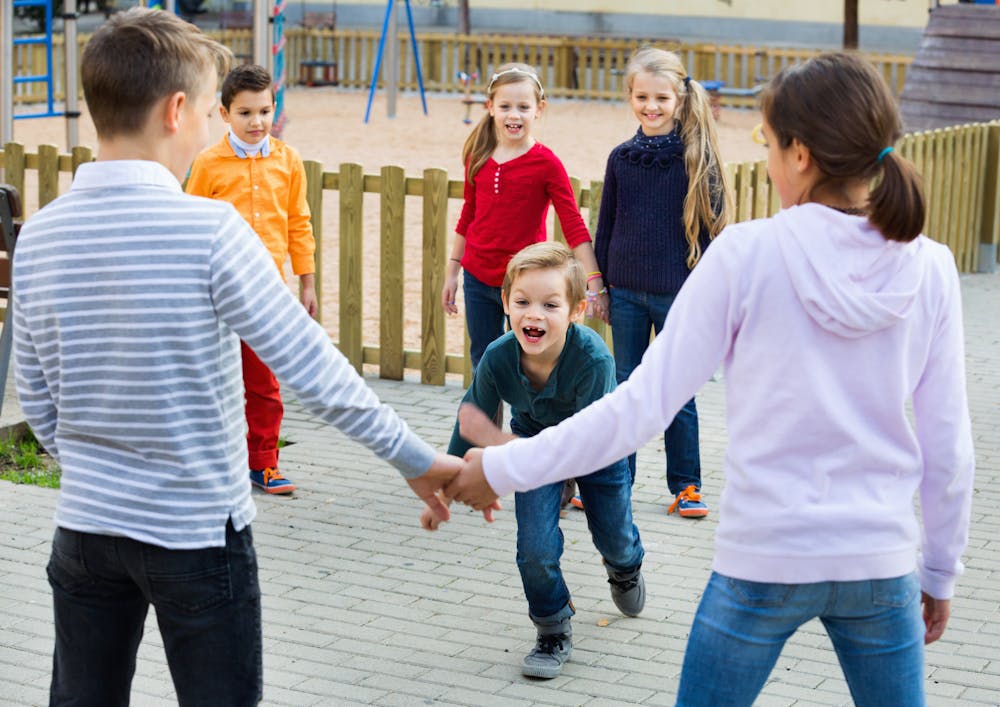 When children play together, the benefits of normal play are enhanced.
Shutterstock
When children play together, the benefits of normal play are enhanced.
Shutterstock
Now is the time to stress the importance of play. A survey done by the Gonski Institute in 2019 showed four out of five Australians believe today’s children are under pressure to grow up too quickly. More than 70% think the lifelong benefits children gained from play, such as creativity and empathy, are mostly ignored today.
Research from previous pandemics shows we need well-planned and coordinated solutions to potentially long-term emotional issues. We can embrace the role of play to mitigate the losses children have experienced while living through a pandemic.
What can parents do?
Children need both guided indoor play and free play ourdoors. Playing with family members at home, or with friends at school, are good for social play.
Digital devices can provide children a way to play together with their friends when they can’t meet with them. But the benefits of play are more long-lasting through social play in person.
Parks, green spaces and quiet streets are suitable for outdoor play. Natural environments both soothe and stimulate children, while connecting them to their environment and community. So here are four things you can do to encourage play.
1. Make time for play
The most important thing you can do is to make time every day for your children to play. Take play time seriously and show your children you value it for the benefit of their well-being, health and learning.
2. Set clear guidelines to technology use at home
It is important to talk with your children about safe and responsible use of digital media and technology. This may require agreeing to put some limits to the use of screens at home, and encourage children to actively engage with friends by playing interactive games when using digital devices.
Read more: Child's play in the time of COVID: screen games are still 'real' play
3. Go out whenever possible
A recent review of nearly 200 studies found “green time” — time in parks, nature reserves and woods — appeared to be associated with favourable psychological outcomes, while high levels of screen time appeared to be associated with unfavourable psychological outcomes.
Parks and playgrounds are open now in Victoria, while in other states they have been for some time.
So find fun outdoor exploratory activities for your children, and where possible bring other kids along.
4. Be a role model of all of the above
Children often mimic their parents. The best way to ensure children grow up healthy and happy is to be a role model to them. More play, and enough quality time outdoors with children is good for your own health and happiness, too.
For more see the Raising Children Network and the Gonski Institute.
Authors: Pasi Sahlberg, Professor of Education Policy, UNSW

















