

How does a city get to be 'smart'? This is how Tel Aviv did it
- Written by: Christine Steinmetz, Senior Lecturer in Built Environment, UNSW
Smart cities, digital cities, virtual cities, connected cities. Are these just trendy buzzwords? Perhaps. But these types of cities are supported by infrastructure that is more than bricks and mortar.
These cities are smart (thoughtful, people-centric), digital (driven by data acquisition, measured, analysed and sometimes exchanged) and virtual (experiential). And, as a result, they are connected, creating more potential interactions between people and their place.
Read more: Sensors in public spaces can help create cities that are both smart and sociable
Tel Aviv is one of these cities. Undoubtedly the 2009 book Start-Up Nation: The Story of Israel’s Economic Miracle contributed to its reputation as a “non-stop city” with innovation clusters teeming with companies at the cutting edge of technology.
However, Tel Aviv’s standing is not only built on commercial success — it has an internationally recognised local government. Winning first place in the 2014 World Smart City Awards not only boosted its profile on the international stage, but Tel Avivians, well, they actually have positive things to say about their local government.
A city that decided to change
This was not always the case. Municipal leaders had to do something to change how the community perceived them.
In 2011, the municipality organised focus groups with residents, heard their complaints and listened to what they said they needed. The municipality realised it needed to change the way it engaged with citizens. A cultural shift was needed, an internal one, to deliver an intelligent and active municipality.
The municipality’s chief knowledge officer, Zohar Sharon, explains why and how Tel Aviv transformed itself as a smart city.Tel Aviv, like Detroit, is an urban laboratory; a test-bed for city projects that combine public and private efforts, startups and university centres. As Israel’s leading business centre, its main priorities are supporting high-tech companies and startups. Located in a geopolitically contentious region, challenges faced by Tel Aviv residents over the years have also driven a new wave of urban administration — emphasising transparency, trust and local government led by residents.
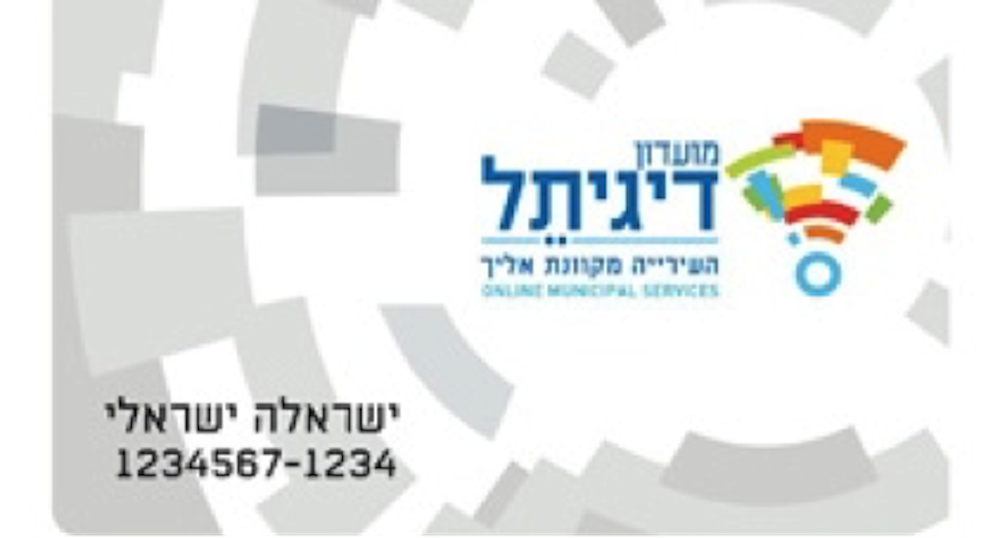 A DigiTel Resident Card.
Tel Aviv Municipality
A DigiTel Resident Card.
Tel Aviv Municipality
A key smart city initiative is the DigiTel Residents Club. DigiTel card holders have access to a personalised web and mobile platform that provides residents with individually tailored, location-specific services delivered via email, text messages and personal resident accounts.
It’s the brainchild of Zohar Sharon, chief knowledge officer of Tel Aviv Municipality. In a recent interview, he told me: “As a result of what we learned from the focus groups and unique knowledge-management processes in the municipality, we now have over 200 municipality staff from different departments, called knowledge champions, who feed data into the DigiTel platform.”
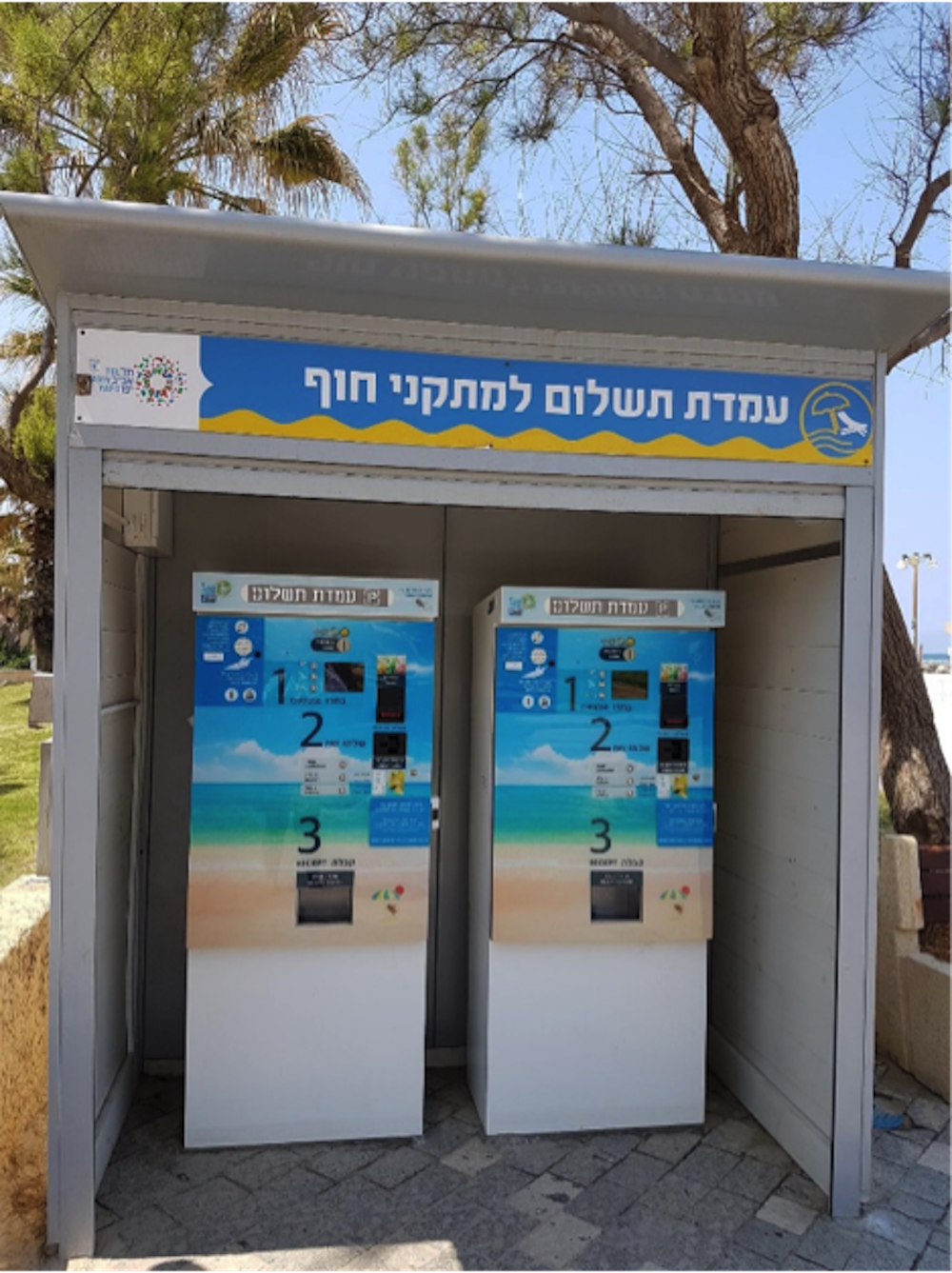 A beach kiosk where DigiTel users can hire umbrellas, chairs and lounges at discounted rates.
Christine Steinmetz, Author provided
A beach kiosk where DigiTel users can hire umbrellas, chairs and lounges at discounted rates.
Christine Steinmetz, Author provided
Daily updates inform residents about: road closures in their area, registering for school, local events, development or heritage conservation proposals requiring feedback, community greening initiatives, recycling, and invitations to public surveys. The card also gives residents access to discounted rentals of beach equipment, theatre and movie tickets, car-share rentals, and a variety of other services.
DigiTel isn’t just one-way communication. Users tell the municipality what is happening in their area. They can feed back information about, for example, broken city signage or playground fixtures needing attention.
The municipality sees the community members as having “wisdom”: they are the most informed about what is happening in their local area.
Read more: Surprise! Digital space isn't replacing public space, and might even help make it better
Since starting as a pilot in 2013 the DigiTel Residents Club has spread citywide. It has almost 200,000 registered users (who must be aged 13 or older) – over 60% of the eligible population.
Sharon says:
We must understand that when we are talking about ‘smart cities’ we must think first about the city’s residents and how we can use smart tools to improve their quality of life. The local municipality must adopt a citizens-centric approach and deliver by push-tailored information and services to citizens, implementing a holistic approach, breaking silos and thinking about citizens’ actual needs.
Today, because of our practice, we can see a tremendous change in the participation of residents in various community activities, greater involvement in city life and greater satisfaction from Tel Aviv municipal services.
The platform has expanded to include Digi-Dog for dog owners and Digi-Tuf (tuf meaning young children in Hebrew) for parents of children up to the age of three.
Tel Aviv has launched Digi-Dog for pet owners.In India, Thane – one of the cities included in the Smart City Mission announced by Prime Minister Narendra Modi in 2015 – has launched DigiThane, with help from Sharon.
What can other cities learn from this?
To be a smart city is to know your people, know what they want, and know what they need. And you know what they need because they told you.
Many councils throughout Australia are under pressure to have a smart city strategy. Perhaps the way to become smart is to start small. This may not require reinventing the wheel, but really just sitting down and listening to what people need and figuring out how to deliver in the most economical and sustainable way.
As Sharon says:
We didn’t create the technology — it was already being used by the commercial sector — we just adapted the technology to make it work for the public sector.
Read more: Lessons from Adelaide in how a smart city can work to benefit everyone
Authors: Christine Steinmetz, Senior Lecturer in Built Environment, UNSW
Read more http://theconversation.com/how-does-a-city-get-to-be-smart-this-is-how-tel-aviv-did-it-94898


















