

Am I coping well during the pandemic?
- Written by Nick Haslam, Professor of Psychology, University of Melbourne
The pandemic has posed unprecedented challenges. Many of us have lost work, gained carer responsibilities and grappled with social isolation. Experts have warned of a looming wave of mental illness as a result.
Research suggests they’re largely correct. Surveys in Australia, the UK and the USA point to rates of depression, anxiety and suicidal thinking substantially higher than in previous years.
But over time, people have changed how they have responded to the threat of COVID-19. Google searches have shifted from the harm of the pandemic itself to ways of dealing with it, such as exercising and learning new skills.
This pivot points to a new focus on coping with COVID-19.
Many ways of coping
Coping is the process of responding effectively to problems and challenges. To cope well is to respond to the threat in ways that minimise its damaging impact.
Coping can involve many different strategies and it’s likely you have your own preferred ones. These strategies can be classified in many ways, but a key distinction is between problem-focused and emotion-focused strategies.
What’s the difference?
Problem-focused coping involves actively engaging with the outside world. This might mean making action plans, seeking further information about a threat, or confronting an adversary.
Emotion-focused coping, in contrast, is directed inward, attempting to change how we respond emotionally to stressful events and conditions, rather than to change them at their source.
Effective emotion-focused strategies include meditation, humour and reappraising difficulties to find benefits.
Less effective emotion-focused strategies include seeking distractions, denial and substance use. Although these tactics may stave off distress in the short term, they neither address its causes nor prevent its longer term effects.
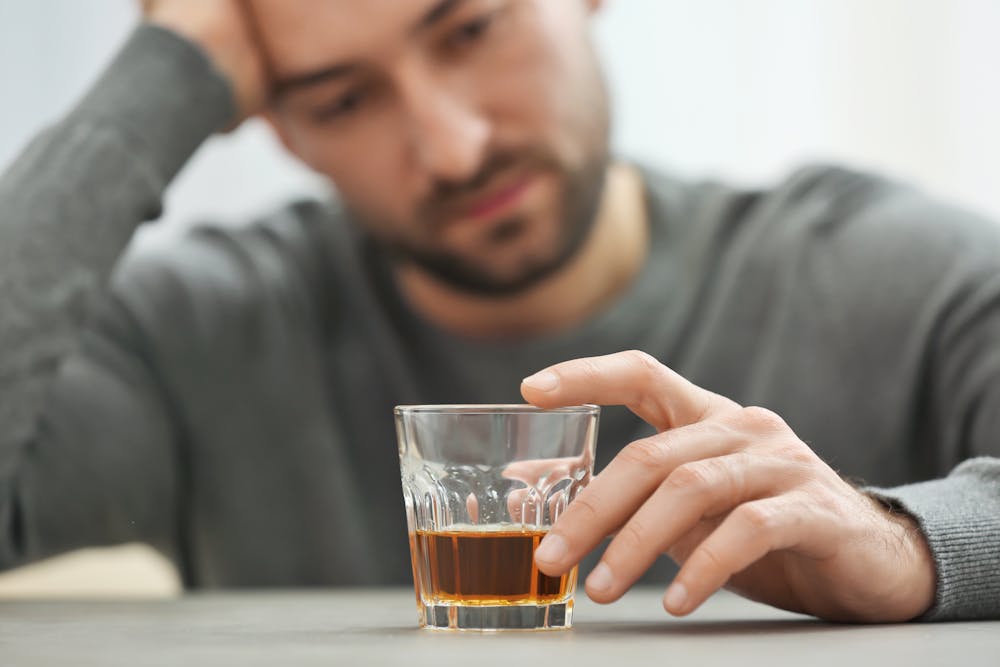 Drinking to stave off distress is one example of an emotion-based coping strategy. But this way of coping doesn’t work in the long term.
Shutterstock
Drinking to stave off distress is one example of an emotion-based coping strategy. But this way of coping doesn’t work in the long term.
Shutterstock
Which is best?
Neither of these coping strategies is intrinsically more or less effective than the other. Both can be effective for different kinds of challenges.
Problem-focused strategies are said to work best when we can control the problem.
However, when we face an immovable challenge, it can be better to adjust our response to it using emotion-focused strategies, rather than battling fruitlessly against it.
Coping strategies during the pandemic
Physical activity and experiencing nature can offer some protection from depression during the pandemic. One study even points to the benefits of birdwatching.
But there’s more evidence around coping strategies to avoid. Rising levels of substance use during the pandemic are associated with greater distress.
Eating too many snacks and accessing too much COVID-related media have also been linked to higher levels of stress and depression. So these should be consumed in moderation.
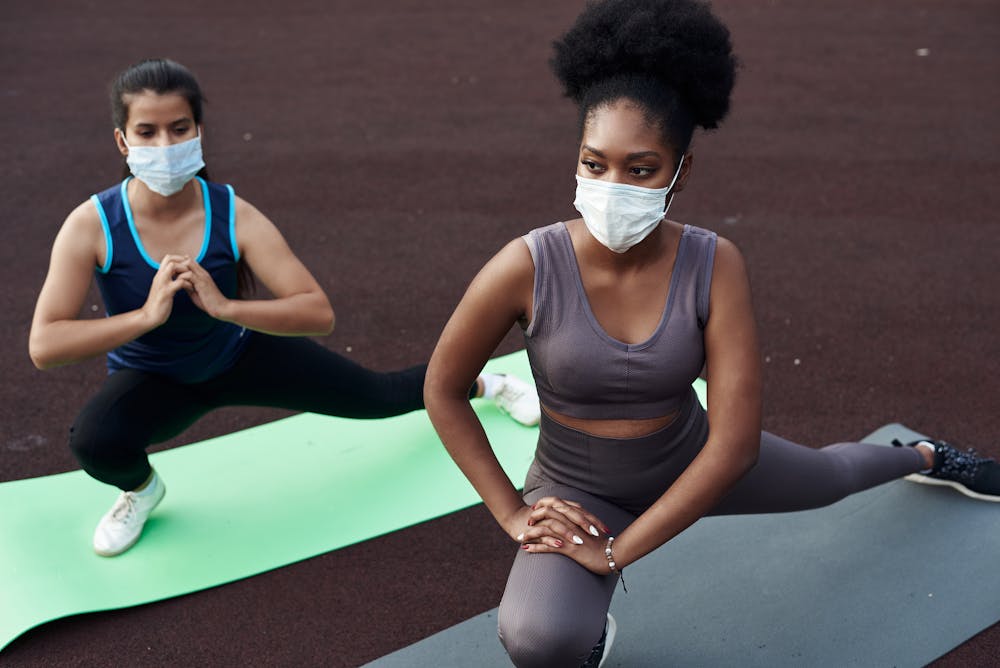 Exercise might be a good strategy for coping with stress associated with the pandemic.
Shutterstock
Exercise might be a good strategy for coping with stress associated with the pandemic.
Shutterstock
How can I tell if I’m not coping well?
We should be able to assess how well we are coping with the pandemic by judging how we’re going compared to our previous normal.
Think of yourself this time last year. Are you drinking more, sleeping poorly or experiencing fewer positive emotions and more negative emotions now?
If the answer to any of these questions is “yes”, then compared to your previous normal, your coping may not been as good as it could be. But before you judge your coping critically, it’s worth considering a few things.
Your coping is relative to your challenge
The pandemic may be shared, but its impacts have been unequal.
If you live alone, are a caregiver or have lost work, the pandemic has been a larger threat for you than for many others. If you’ve suffered more distress than others, or more than you did last year, it doesn’t mean you have coped less well — you may have just had more to cope with.
Read more: Your coping and resilience strategies might need to shift as the COVID-19 crisis continues
Negative emotions can be appropriate
Experiencing some anxiety in the face of a threat like COVID-19 is justified. Experiencing sadness at separation from loved ones under lockdown is also inevitable. Suffering does not mean maladjustment.
In fact, unpleasant emotions draw our attention to problems and motivate us to tackle them, rather than just being signs of mental fragility or not coping.
We should, of course, be vigilant for serious problems, such as thoughts of self-harm, but we should also avoid pathologising ordinary distress. Not all distress is a symptom of a mental health problem.
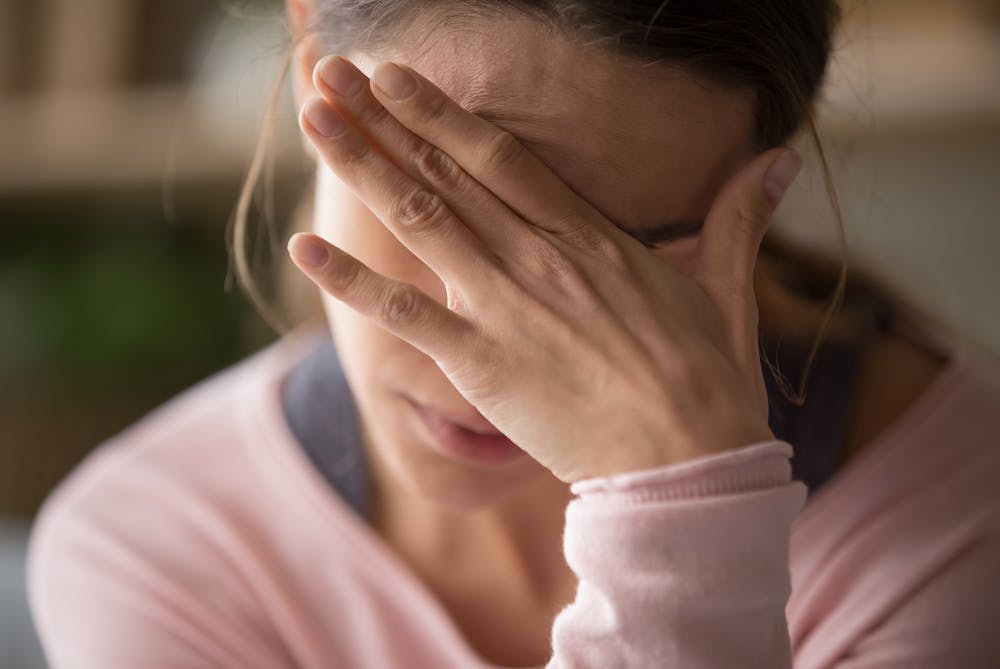 Feeling distressed during the pandemic is to be expected and it can actually motivate us to tackle adversity. But watch out for serious problems.
Shutterstock
Feeling distressed during the pandemic is to be expected and it can actually motivate us to tackle adversity. But watch out for serious problems.
Shutterstock
Read more: 7 mental health coping tips for life in the time of COVID-19
Coping isn’t just about emotions anyway
Coping isn’t all about how we feel. It’s also about action and finding a sense of meaning and purpose in life, despite our distress. Perhaps if we’ve sustained our relationships and done our jobs passably during the pandemic, we have coped well enough, even if we have sometimes been miserable.
Read more: 7 science-based strategies to cope with coronavirus anxiety
Coping with COVID-19 has been an uneven contest
Social distancing and lockdowns have left us with a reduced coping repertoire. Seeking emotional and practical support from others, also known as “social coping”, is made more difficult by pandemic restrictions. Without our usual supports, many of us have had to cope with one arm tied behind our backs.
So remember to cut yourself some slack. For most people, the pandemic has been a unique challenge. When judging how well we’ve coped we should practise self-compassion. Let’s not make things worse by criticising ourselves for failing to cope better.
If this article has raised issues for you, or if you’re concerned about someone you know, call Lifeline on 13 11 14.
Authors: Nick Haslam, Professor of Psychology, University of Melbourne
Read more https://theconversation.com/am-i-coping-well-during-the-pandemic-146570

















