

Defunding Regional Arts NSW won't 'make funding stretch further' – it will only hurt artists and communities
- Written by Esther Anatolitis, Honorary Associate Professor, School of Art, RMIT University
In August, NSW government arts agency Create NSW held a consultation into regional arts funding. Their discussion paper noted the recent drought, bushfire, flood and COVID-19 crises would require “innovative thinking about how to make existing support go further”.
Last night, the Sydney Morning Herald revealed this “innovative thinking” will mean defunding Regional Arts NSW.
Their current A$455,000 annual grant will be redistributed among the organisations they exist to serve.
Findings of the consultation have yet to be released.
Funding off a low base
The unexpected announcement — made just days before Artstate, Regional Arts NSW’s annual state-wide conference — is the latest in a series of concerning developments in NSW arts funding.
This has included directing regional arts funding to favoured electorates, redirecting already-assessed funds to a preferred organisation, and allocating emergency COVID funding without transparency.
Arts funding has also been implicated in allegations of grant rorting. A NSW parliamentary inquiry questioned if Premier Gladys Berejiklian declared a conflict of interest in regards to the $30 million infrastructure grant to the Riverina Conservatorium of Music in Wagga Wagga.
The grant — valued at more than all grants to the state’s 18 other conservatories combined — was awarded after Berejiklian was lobbied by local representative Daryl Maguire, currently under an ICAC investigation.
Read more: Grattan on Friday: Gladys Berejiklian has governed well but failed an ethical test
NSW arts investment is among the lowest per capita in Australia: excluding large organisations, in 2017 NSW spent $18 per person on arts and culture, while Victoria spent $31 per person.
NSW was one of the slowest and lowest investors in COVID-19 response.
Only around $10 million of the state’s $59 million Arts & Cultural Funding Program in 2019-20 was directed to regional artists and organisations.
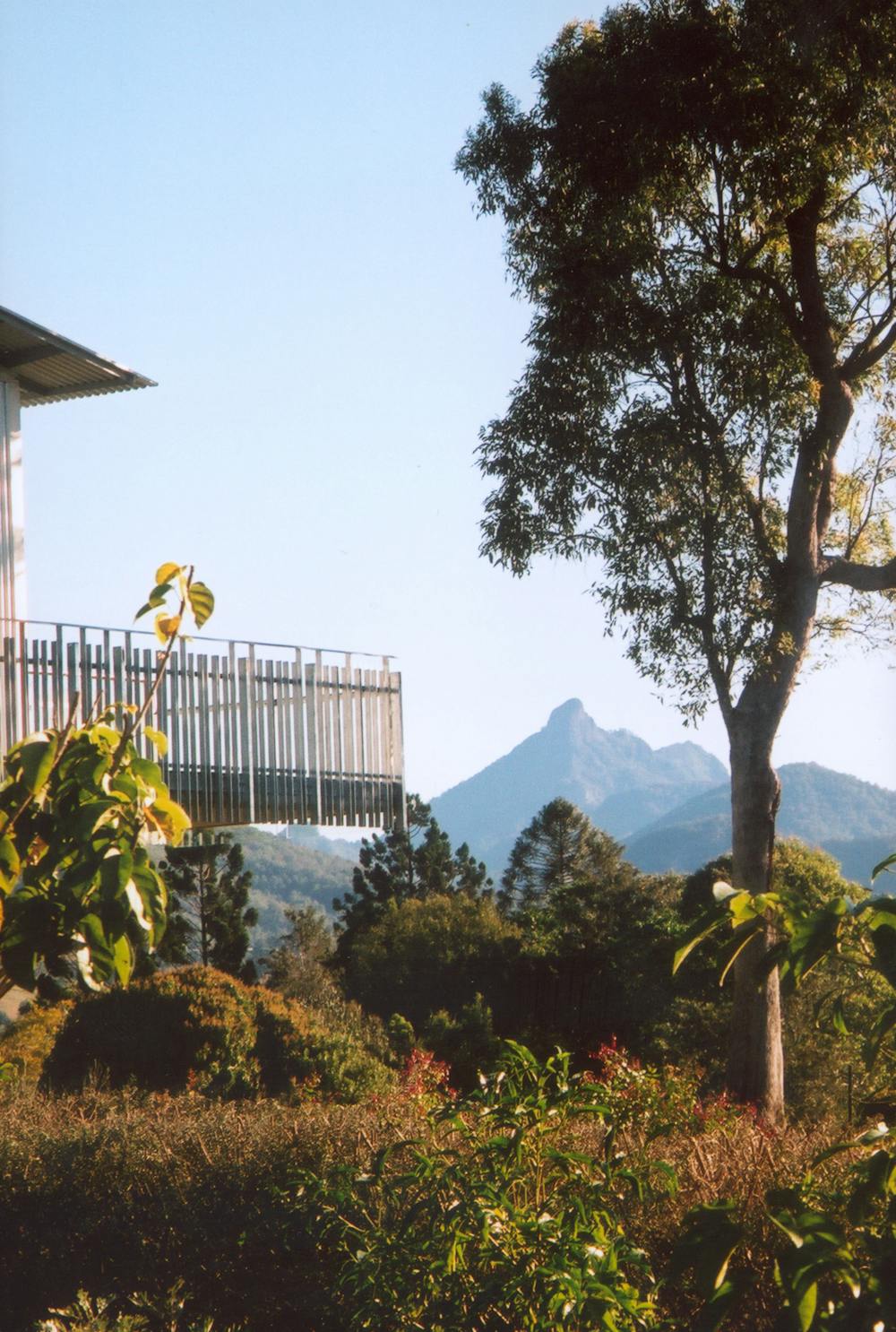 Regional arts organisations — like the Tweed River Art Gallery — receive only a fraction of the state’s cultural budget.
AAP Image/James Shrimpton
Regional arts organisations — like the Tweed River Art Gallery — receive only a fraction of the state’s cultural budget.
AAP Image/James Shrimpton
The redistribution of Regional Arts NSW’s funding, reports the Sydney Morning Herald, is to “make declining levels of arts funding stretch further”.
At the expense of their capacity to work together on shared priorities, the 14 partner organisations will receive a boost of $28,000 per year.
Artists in regional NSW have recently spoken out about what’s at stake for their practice and their livelihoods.
Wiradjuri artist Michael Lyons of Sandhills Artefacts in Narrander told The Guardian more regional support is needed, “because I’m not selling to shops, I’m not selling to tourists”.
Regional artists just need some centre point where they can go and say, ‘Can you help me with this? What’s going on here?’
Dedicated support for these artists is needed now more than ever.
Supporting tourism by supporting the arts
With international borders closed and local economies struggling, creative communities will be key to regional economic recovery.
The recent Australia Council report into domestic arts tourism found those travelling for arts events are “more likely to stay longer and spend more”.
Regional NSW festivals include Cementa, in the small town of Kandos.Speaking to The Australian, CEO of the Tourism Transport Forum Margy Osmond highlighted the potential impact of the arts on a post-pandemic revival.
[The arts] are probably the top-of-the-list reason why you get return visitors […] People often don’t clock the impact that the arts has on regional tourism and regional development
This defunding of Regional Arts NSW undermines the state’s capacity to strengthen regional creative communities and enterprise exactly when that’s needed most.
The shrinking role of service organisations
This decision sets a disturbing precedent for the state’s industry bodies.
Service organisations like Regional Arts NSW strengthen the capacity of artists and organisations.
Service organisations focus on statewide thinking to identify common needs, support common purposes and represent key issues to government and to the public. NSW was once nation-leading in recognising the importance of these organisations.
But as of 2020, Create NSW no longer has a specific funding program for sector service organisations.
Read more: State arts service organisations: effective, engaged but endangered
Writing NSW may not survive after losing their funding, and devolved funding programs — like the NSW Artists Grants, formerly administered by NAVA — have been taken in-house.
Devolving funding through service organisations provided artists support through the application process by expert arts staff. This support is especially crucial for regional artists.
In regional areas, an understanding of specific needs is vital to nurturing great work. Great work then supports regional community development and creative industry growth.
 The National Young Writers Festival, as part of Newcastle’s This Is Not Art festival, brings together artists from around the country.
NYWF
The National Young Writers Festival, as part of Newcastle’s This Is Not Art festival, brings together artists from around the country.
NYWF
This decision also calls into question the NSW delivery of the Regional Arts Fund.
This fund is administered by Regional Arts Australia on behalf of the Australian government, and delivered by state-based regional arts peak bodies.
Without Regional Arts NSW to deliver the fund, there is no dedicated regional organisation with a statewide focus to carry out this important work.
Where to from here?
Devaluing regional industry service and sector development is a backward step for NSW at a time of instability and uncertainty.
A great many questions will be asked this week and beyond, aiming to restore confidence in the NSW government’s understanding of regional culture and commitment to public integrity.
With the state’s regional arts community gathering in Wagga Wagga for Artstate, the minister will have the opportunity to respond to these questions in person.
Authors: Esther Anatolitis, Honorary Associate Professor, School of Art, RMIT University

















