COVID has presented unique challenges for people with eating disorders. They'll need support beyond the pandemic
- Written by Laura Hart, Senior Research Fellow, University of Melbourne
COVID-19 has changed the way we live, work and interact with one another. It has also changed the way we move, exercise, shop, prepare food, and eat.
During the pandemic, we’ve seen marked increases in reports of mental distress across the board. But Australian and international research suggests lockdown measures have presented unique challenges for people living with eating disorders.
Eating disorders are complex mental illnesses
Eating disorders include anorexia nervosa, bulimia nervosa, binge eating disorder and other diagnoses. They centre around disordered eating (for example, fasting and dieting, binge eating, or purging behaviours), and often include problems with body image.
Eating disorders are frequently associated with high levels of depression and anxiety.
For some people with these conditions, rigid routines (around exercise, food preparation or eating habits), are a way of coping with symptoms and distress.
It’s no secret the pandemic has significantly disrupted our usual routines. For example, working from home may have led people to be more sedentary, or allowed more time for exercise. Social distancing has meant we’ve spent less time seeing others and sharing meals.
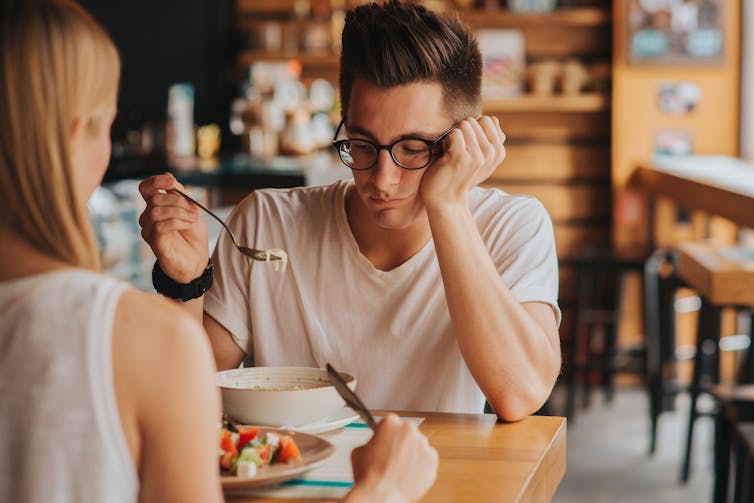 People of different ages, genders and backgrounds can develop eating disorders.
Shutterstock
People of different ages, genders and backgrounds can develop eating disorders.
Shutterstock
COVID-19 restrictions and social distancing measures, though imperative to reduce the spread of the virus, have resulted in a significant rise in psychological distress, especially for people experiencing social isolation, reduced or uncertain employment, financial strain, or health concerns.
We know people with existing mental health problems have been particularly vulnerable. However, people with eating disorders are vulnerable not only to these mental stressors; but also to the physical changes to everyday routines, and social conversations about eating and body weight which have popped up during lockdowns.
Read more: How many people have eating disorders? We don't really know, and that's a worry
What does the research say?
Research published early in the pandemic predicted COVID-19 and the associated restrictions may increase eating disorder risk in a few important ways:
disruptions to daily routines and reduced access to social supports
increased exposure to anxiety-provoking media (messages about possible links between high body mass index and COVID, or joking on social media about weight gain during lockdown)
increased use of videoconferencing where people are exposed to their own image on camera
anxiety about contracting COVID-19 — the authors suggested this may lead people with eating disorders to engage in dieting for perceived immune system benefits.
Australian researchers conducted what was to our knowledge the first published study on disordered eating behaviours during COVID-19. Participants with eating disorders reported a worsening of symptoms — they were restricting their food consumption, binge eating and engaging in purging behaviours more often. They also reported doing more exercise, and high levels of depression, anxiety and stress.
Studies from around the world have since shown similar results. They’ve also found people with eating disorders have reported increased fears about not being able to find foods consistent with meal plans, while disruptions to routine have led to heightened psychological distress and worsening of eating disorder symptoms.
It comes as little surprise demand for eating disorder support has increased significantly. The Butterfly Foundation — Australia’s leading support organisation for people affected by eating disorders and body image issues — has reported a 57% increase in calls to its helpline over the course of the pandemic.
Similarly, inpatient and outpatient services around Australia — particularly in Victoria where residents experienced a prolonged second lockdown — have seen demand increase, resulting in longer wait lists for eating disorder services.
 People with eating disorders are likely to need extra support beyond the pandemic.
Shutterstock
People with eating disorders are likely to need extra support beyond the pandemic.
Shutterstock
Looking ahead
Although we still don’t know what the long-term psychological effects of COVID-19 will be, previous pandemics such as SARS have taught us these sorts of crises can result in long-term mental health impacts, and may trigger the onset of mental illness, including depression and anxiety.
We don’t know yet conclusively whether the pandemic has triggered the onset of eating disorder symptoms or increased the incidence of these conditions. It doesn’t make it any easier that our understanding of the prevalence of eating disorders in Australia was poor to begin with.
But it does seem highly likely that we will see such increases. The information we have so far suggests pandemic-related challenges can increase the risk for people with eating disorders, or those who may be vulnerable to developing them, in many and varied ways.
Read more: People with eating disorders saw their symptoms worsen during the pandemic – new study
In addition, some research suggests food insecurity is associated with increases in eating disorders, and binge eating in particular.
So even if the pandemic is brought to an end with widespread vaccination, if the associated economic recession results in ongoing disruptions to food supply chains, or in impoverished households having limited or unreliable access to food, we may see further increases in eating disorders, well beyond the life of COVID-19.
It’s critical clinical services and support organisations provide extra support to these groups, not only during the pandemic, but for a significant amount of time after the crisis has resolved. This includes increased access to treatment, as well as online eating disorder supports like chatbots, and telephone hotlines.
If this article has raised concerns about body image or eating disorders, please contact the Butterfly Foundation national hotline on 1800 334 673, or visit their website.
Authors: Laura Hart, Senior Research Fellow, University of Melbourne