

As heatwaves become more extreme, which jobs are riskiest?
- Written by Thomas Longden, Fellow, Crawford School of Public Policy, Australian National University
Heat is more dangerous than the cold in most Australian regions. About 2% of deaths in Australia between 2006 and 2017 were associated with the heat, and the estimate increases to more than 4% in the northern and central parts of the country.
In fact, Australian death records underestimate the association between heat and mortality at least 50-fold and chronic heat stress is also under-reported.
The risk is higher in some regions but where you live is not the only factor that matters. When it comes to heat, some jobs are much more dangerous, and put workers at higher risk of injury.
Read more: Heat kills. We need consistency in the way we measure these deaths
Who is most at risk?
One study compared workers’ compensation claims in Adelaide from 2003 to 2013. It found workers at higher risk during extremely hot temperatures included:
- animal and horticultural workers
- cleaners
- food service workers
- metal workers
- warehouse workers.
The authors noted hot weather “poses a greater problem than cold weather. This is of particular concern as the number of hot days is projected to increase”.
Another study involving many of the same researchers looked at the impact of heatwaves on work-related injuries and illnesses in Melbourne, Perth and Brisbane. It found vulnerable groups included:
- males
- workers aged under 34 years
- apprentice/trainee workers
- labour hire workers
- those employed in medium and heavy strength occupations, and
- workers from outdoor and indoor industrial sectors.
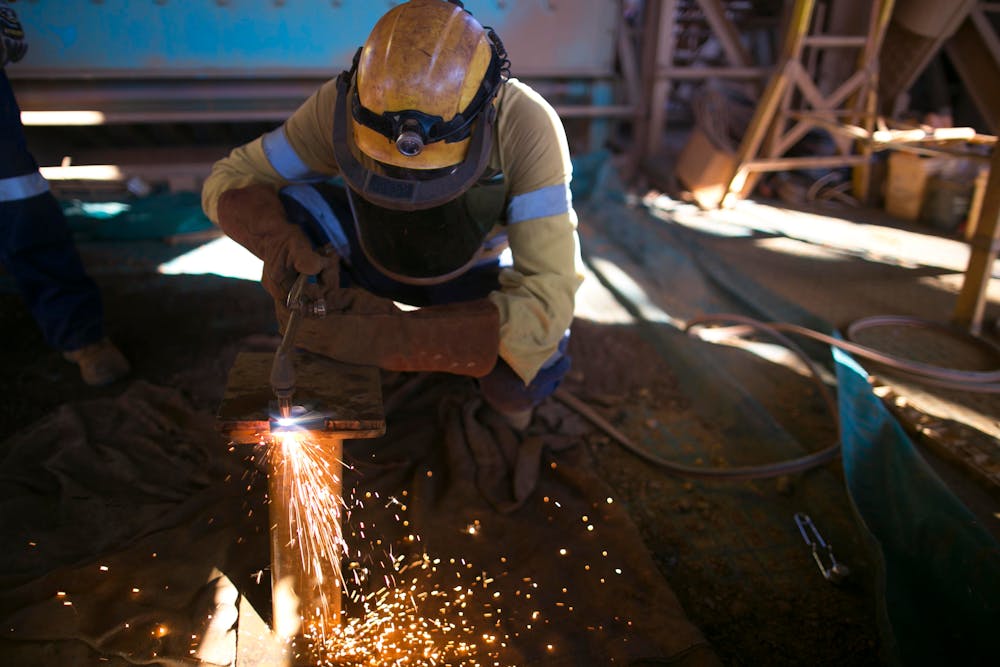 When it comes to heat, some jobs are much more dangerous than others, and put workers at higher risk of injury.
Shutterstock
When it comes to heat, some jobs are much more dangerous than others, and put workers at higher risk of injury.
Shutterstock
A study of work-related injuries in Melbourne between 2002 and 2012 found
Young workers, male workers and workers engaged in heavy physical work are at increased risk of injury on hot days, and a wider range of worker subgroups are vulnerable to injury following a warm night. In light of climate change projections, this information is important for informing injury prevention strategies.
A study using data for Adelaide between 2001 and 2010 concluded male workers and young workers aged under 24 were at high risk of work-related injuries in hot environments. The link between temperature and daily injury claims was strong for labourers, tradespeople and intermediate production and transport workers (who do jobs such as operating plant, machinery, vehicles and other equipment to transport passengers and goods).
Industries with greater risk were agriculture, forestry and fishing, construction, as well as electricity, gas and water.
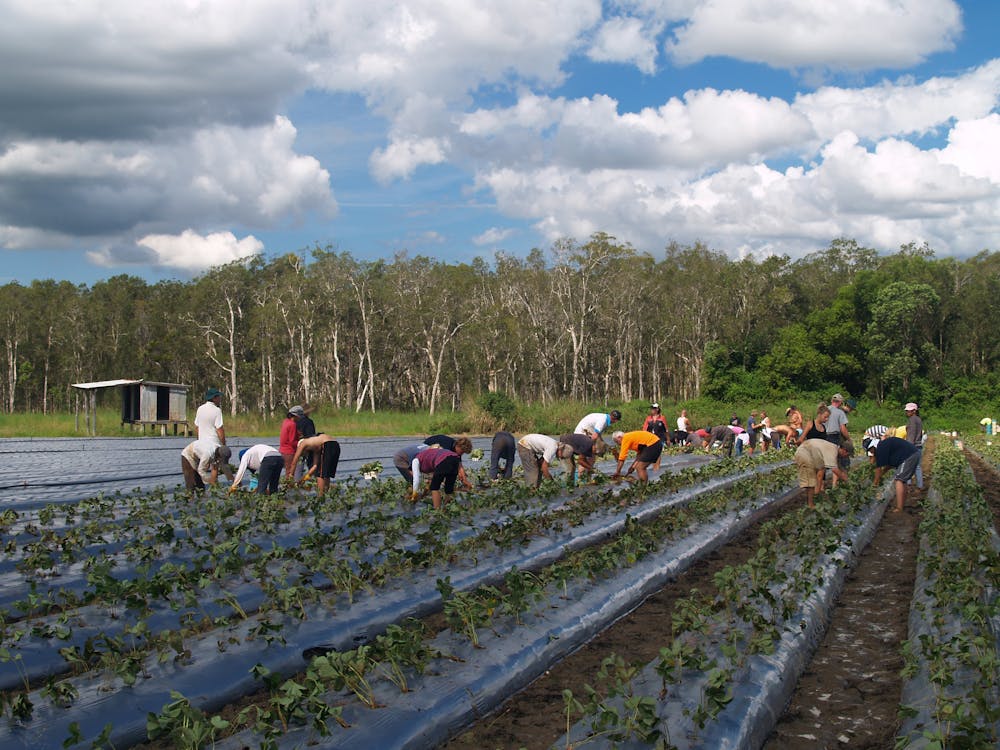 Animal and horticultural workers are at risk during heatwaves.
Shutterstock
Animal and horticultural workers are at risk during heatwaves.
Shutterstock
A systematic review and meta-analysis of 24 studies on the links between heat exposure and occupational injuries found
Young workers (age < 35 years), male workers and workers in agriculture, forestry or fishing, construction and manufacturing industries were at high risk of occupational injuries during hot temperatures. Further young workers (age < 35 years), male workers and those working in electricity, gas and water and manufacturing industries were found to be at high risk of occupational injuries during heatwaves.
The fact that apprentices or trainees had greater heat-related injuries in the workplace may surprise many, as heat tolerance deteriorates with age. Exposure to labour intensive work, less experience in managing heat stress, and a propensity to avoid acknowledging they’re affected by heat may contribute to the higher risk for younger workers.
Other factors that increase risk
A growing body of international research shows extreme heat can cause severe health issues.
Other factors that increase vulnerability to heat include age (especially being older or very young), low-socioeconomic status, and homelessness. Regions also matter; there are differences between climate zones and increased heat-related morbidity in rural settings.
Underlying health conditions increase the risk of heat-related illness and death. These health conditions include
- diabetes
- high blood pressure
- chronic kidney disease
- heart conditions and
- respiratory conditions.
Chronic heat exposure is dangerous and has been linked to serious health problems, including chronic and irreversible kidney injury. A range of studies have linked higher temperatures with increases in suicide rates, emergency department visits for mental illness, and poor mental health.
 Younger workers and apprentices may be at greater risk of heat-related injuries in the workplace.
Shutterstock
Younger workers and apprentices may be at greater risk of heat-related injuries in the workplace.
Shutterstock
We need to better understand the problem
Most of the studies mentioned here focused on worker’s compensation claims. That data includes only those injuries for which compensation claims were actually made. In reality, the problem is likely more widespread.
The Australian studies primarily focused on the milder climatic regions of Australia, but the rate of injuries and ill health is greater in hot and humid regions. And the dangers may be worse in regional and remote areas, particularly when and where workforces are transient.
We also need more research on the relationship between the length of exposure to higher temperatures (in hours or days) and worker health.
National studies or studies in other regions should assess whether rates of injury differ by occupation, climate zone and remoteness. Capturing data on all types and severity of workplace injuries (not just those that led to a compensation claim) is crucial to understanding the true extent of the problem.
As the climate changes and heatwaves become more frequent and severe, it’s vital we do more to understand who is most vulnerable and how we can reduce their risk.
Read more: Caravan communities: older, underinsured and overexposed to cyclones, storms and disasters
This story is part of a series The Conversation is running on the nexus between disaster, disadvantage and resilience. You can read the rest of the stories here.
Authors: Thomas Longden, Fellow, Crawford School of Public Policy, Australian National University
Read more https://theconversation.com/as-heatwaves-become-more-extreme-which-jobs-are-riskiest-151841

















