Medicinal cannabis to manage chronic pain? We don't have evidence it works
- Written by Michael Vagg, Conjoint Clinical Associate Professor, Deakin University School of Medicine and Specialist Pain Medicine Physician, Deakin University
As a pain specialist, I often have patients asking me whether they should try medicinal cannabis. There’s a common perception it can be an effective way to manage chronic pain.
But two expert groups have recently recommended against medicinal cannabis for people suffering persistent non-cancer pain.
The International Association for the Study of Pain published a position statement last week after its presidential taskforce summarised the evidence on the topic.
And yesterday the Faculty of Pain Medicine of the Australian and New Zealand College of Anaesthetists published guidance for health practitioners in the form of a Choosing Wisely recommendation. (Choosing Wisely is an initiative of NPS Medicinewise which aims to highlight low-value health care.)
Many in the community would see this recommendation as controversial. So let’s take a look at some of the commonly held misconceptions about medicinal cannabis and chronic pain.
Myth #1: evidence shows cannabis products are effective for chronic pain
Evidence from randomised controlled trials is critically lacking when it comes to medicinal cannabis products for chronic pain.
While some studies have looked at tetrahydrocannabinol (THC, the main psychoactive component of cannabis) or a combination of THC and cannabidiol (CBD), there isn’t a single published randomised controlled trial of a CBD-only product for chronic pain of any type. Australian medicinal cannabis products are often CBD-only.
This means we can’t even judge whether the claims that medicinal cannabis can alleviate pain might be true. The results of THC-containing products in clinical trials don’t give a reliable picture one way or the other because they involve too few participants, have major technical flaws in design, or have been judged to have an unacceptably high risk of producing biased results.
The International Association for the Study of Pain taskforce looked at all the available research published in peer-reviewed journals on the use of medicinal cannabis for pain management, from preclinical studies to human trials.
They concluded overall the studies’ “quality, rigour, and transparency of reporting” of benefits and harms needs to be improved across the board. We would require higher quality data, for example through randomised controlled trials, to determine the safety and efficacy of using medicinal cannabis for pain.
In the polite and understated world of academic medicine, this is about as big a smackdown as it gets. The authors are essentially saying most of the studies are too poorly done, using unsuitable methods, to give any answer to the most basic question of whether medicinal cannabis helps with pain.
Myth #2: cannabis products should be provided as a ‘last resort’
A doctor has the right to prescribe any drug they think may be effective for an individual patient based on nothing more than their clinical judgement. We do this relatively frequently, especially for chronic pain.
This is ethical if we have a scientific reason to believe the drug may be helpful. But for patients with chronic pain, we have little reason to believe medicinal cannabis offers any sustained benefit.
A further challenge to the ethical provision of cannabis products as a “last resort” is the fact they’re among the most expensive pharmaceutical products available to chronic pain patients, many of whom have very modest incomes. The only party likely to benefit is the manufacturer.
 Many people who experience chronic pain believe medicinal cannabis could help.
Shutterstock
Many people who experience chronic pain believe medicinal cannabis could help.
Shutterstock
Myth #3: medical cannabis may help with the opioid crisis
There’s a consensus that much of the current use of opioid analgesics to manage chronic non-cancer pain in Australia may be of limited value.
Proponents of medicinal cannabis have suggested it may hold promise as a potential solution to this problem. While this idea has some appeal, the balance of the evidence points the other way.
Read more: 1 in 10 women with endometriosis report using cannabis to ease their pain
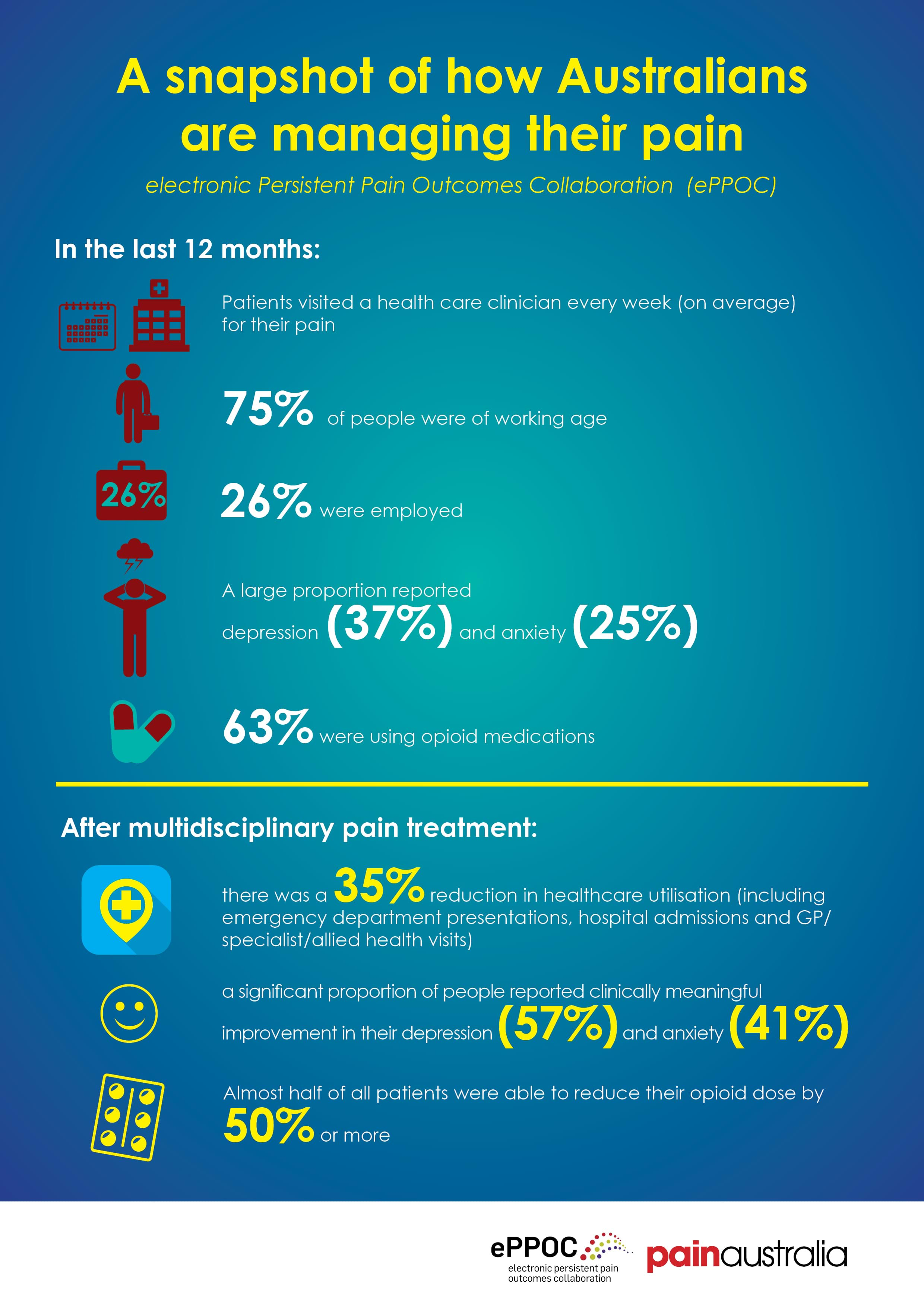
Data collected from Australia and New Zealand shows participation in best-practice multidisciplinary pain care, as provided by a specialist pain clinic, results in half of pain patients being able to reduce their opioids by at least 50%, with improved quality of life.
People wanting an alternative to opioid treatment for persistent pain will do best if they seek out treatment from a professional team of experts, rather than substituting cannabis for opioids.
It could be harmful
The International Association for the Study of Pain taskforce identified general known risks from using cannabis, such as in recreational settings. But no studies have characterised the way the body handles prescribed or over-the-counter medicinal cannabis products.
The TGA guidance document on medicinal cannabis notes basic research on how the drugs interact with both the body and other medications — known as pharmacokinetic and pharmacodynamic studies — is not available. Without this information, we can’t answer important questions about the safety of medicinal cannabis.
 Medicinal cannabis isn’t the solution to the opioid crisis.
Shutterstock
Medicinal cannabis isn’t the solution to the opioid crisis.
Shutterstock
Medicinal cannabis products may have a role in the management of other conditions, such as relieving chemotherapy-induced nausea, or treating childhood epilepsy. The evidence around those conditions seems to be more convincing than the studies for persistent pain, though I’m not an expert in either field.
Despite the lack of evidence to support the use of medicinal cannabis for chronic pain, the legislation around medicinal cannabis in Australia continues to become more permissive.
It will be legal to sell low-dose CBD products over the counter from June this year, if they meet the very minimal requirements to be listed by the Therapeutic Goods Administration (TGA).
Meanwhile, Tasmania is set to become the last Australian state to allow GPs to prescribe medicinal cannabis from July.
The Faculty of Pain Medicine has a track record of advocacy for pain patients. We led the process that resulted in the first ever National Pain Strategy a decade ago, and were a founding partner of Painaustralia as an ongoing policy voice.
If medicinal cannabis was truly as potentially valuable as often claimed, we would be the loudest voice in favour of wider access. The weight of evidence points us away from this conclusion.
Authors: Michael Vagg, Conjoint Clinical Associate Professor, Deakin University School of Medicine and Specialist Pain Medicine Physician, Deakin University