a chubby-cheeked and inquisitive Australian rodent that needs our help
- Written by: Chris Wacker, Postdoctoral Research Fellow - School of Environmental and Rural Science, University of New England
Am I not pretty enough? This is the first article in The Conversation’s series introducing you to the unloved Australian animals that need our help
When people think of rodents, they usually think of introduced species such as the black rat and house mouse. But Australia actually has around 54 native rodent species, which live in a vast range of habitats across the continent, from the ocean to spinifex-dotted deserts.
My research focuses on the broad-toothed rat, a vulnerable, chubby-cheeked rodent that lives in parts of Tasmania and pockets of southern Victoria. It even thrives beneath the snow in the Australian Alps and in Barrington Tops in New South Wales.
You may have already heard of the broad-toothed rat from articles about the damage feral horses do in Kosciuszko National Park, or as one of the species living near the highly photogenic mountain pygmy possum.
But I don’t want to turn this into a debate about feral horses or a popularity contest with the pygmy possum. As the broad-toothed rat rarely, if ever, gets its own story, I want to introduce you properly to this fascinating, unique, and beautiful species, focusing on those that live in Kosciuszko National Park.
A very special rodent
The broad-toothed rat (Mastacomys fuscus) is often referred to by wildlife scientists as Australia’s guinea pig. However, it belongs to a very different group of rodents.
Weighing approximately 150 grams — about the same size as the introduced black rat — the broad-toothed rat looks like any typical rodent at first glance.
 The broad-toothed rat has a trusting and inquisitive nature.
Rhi Wilson, Author provided
The broad-toothed rat has a trusting and inquisitive nature.
Rhi Wilson, Author provided
But with its chocolate coloured coat, long, soft, almost luxurious fur, little to no musky smell, chubby face, and calm and inquisitive nature, it bears little resemblance to any introduced species.
The broad-toothed rat gets its name from its wider-than-usual molar teeth, which help it chew the stalks of sedges and grasses. It also nests in these grasses, and moves unseen through an elaborate network of tunnel-like runways. The broad-toothed rat shares these runways with other small mammal species, such as the bush rat and the dusky antechinus.
In winter, low shrubs hold the snow off the ground, creating a subnivean space (the area between snow and terrain). This creates a relatively cosy environment, keeping the temperature of the runways above zero, even when the air above this space is much colder.
When most of the snow has melted in October, the broad-toothed rat’s breeding season is triggered and generally lasts until March the next year. They have on average only two to three young, and these are unusual because they’re partially furry at birth.
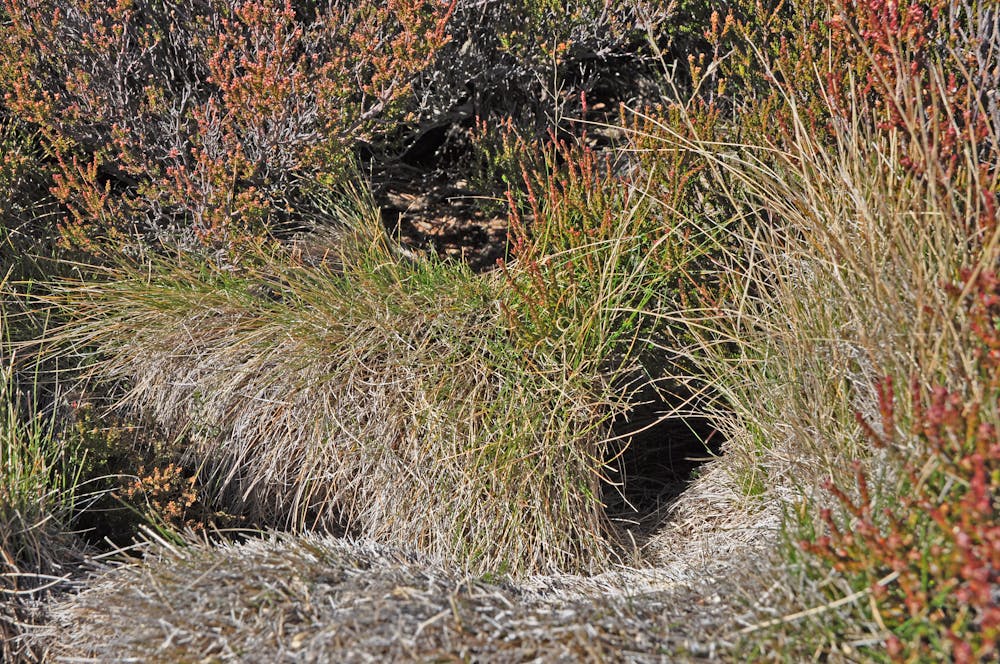 Broad-toothed rat runways, shared by other small mammals.
Chris Wacker, Author provided
Broad-toothed rat runways, shared by other small mammals.
Chris Wacker, Author provided
Why native rodents matter
Native rodents are essential in many ecosystems. They disperse seeds by forming seed caches. This is when rats keep seeds in storage to eat, and when they vacate their burrow, the uneaten seeds can germinate.
They often have the role of ecosystem engineers, providing burrows and runways for small mammals that cannot dig their own. This is particularly common for desert rodent species that dig burrows, which are then used by small marsupials.
Native rodents may also be early indicators of local environmental change, like furry canaries in a coal mine. When their populations decline, populations of other native species, such as small marsupials, also decline soon after because whatever affects the rodents, will affect other small mammals.
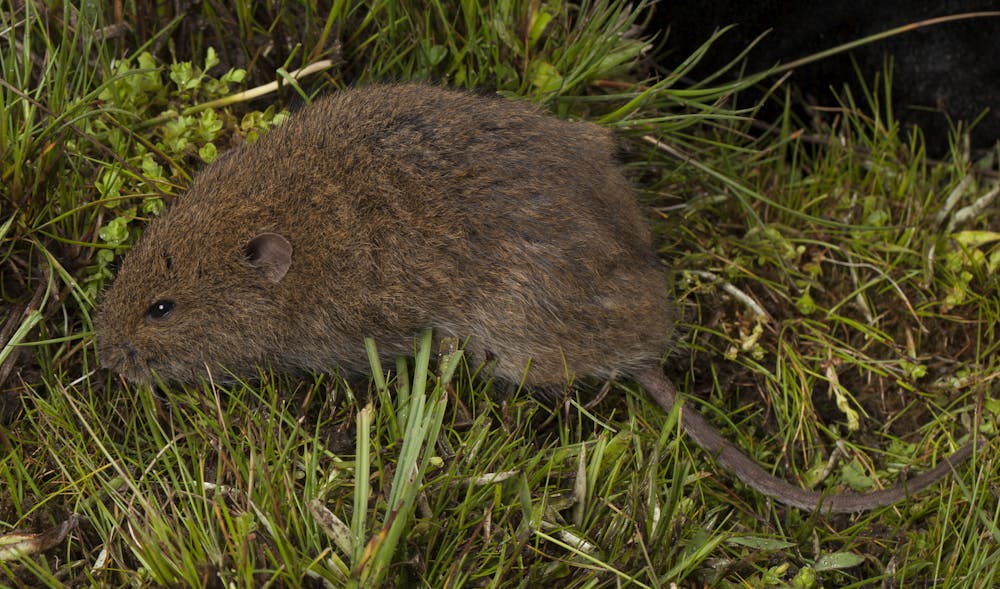 Broad-toothed rats weigh 150 grams on average.
AAP Image/Supplied by Museums Victoria, Heath Warick
Broad-toothed rats weigh 150 grams on average.
AAP Image/Supplied by Museums Victoria, Heath Warick
But broad-toothed rats are in danger
Of the 54 species of native rodent, 16 are vulnerable or endangered. Their biggest threats include introduced rodents who compete for resources, predation by cats and foxes, and general human activity such as land clearing.
While the damage feral horses do to the vegetation in the Australian Alps is a well-known problem, the broad-toothed rat also has many other threats.
It’s currently classified as vulnerable or near threatened in much of its range. While the exact number of individuals is difficult to determine, it’s clear the rat’s range is getting smaller, in part due to climate change-induced reduction in snow cover.
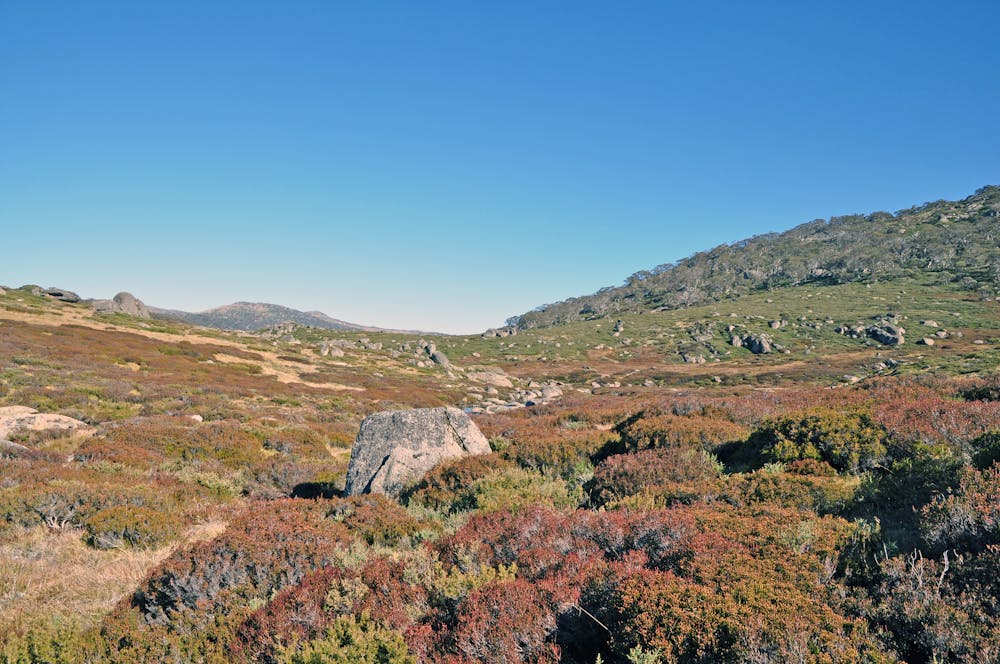 The typical habitat of the broad-toothed rat habitat in the Australian Alps.
Chris Wacker, Author provided
The typical habitat of the broad-toothed rat habitat in the Australian Alps.
Chris Wacker, Author provided
Since their reproductive behaviours are triggered by the environment, changes in temperature and snow cover can be catastrophic. Reduced snow cover also means less protection during the colder months.
Another reason these rats are unusual among native Australian rodents is they’re entirely herbivorous. Any variation in temperature, rainfall, snow melt, or drainage alters the types of vegetation that grows. And changes in available grasses reduce the food and nesting material the rats have access to.
In the Australian Alps, broad-toothed rats have very few native predators. But a 2002 study found foxes, and perhaps feral cats, prefer eating broad-toothed rats over other small mammal species. Whether this is due to the rats being easier to catch or because they’re tastier is unclear.
Because the broad-toothed rat lives in Kosciuszko National Park, it also lives side-by-side with the ski industry, and will even inhabit the disturbed areas alongside ski runs. But ski resorts change drainage patterns, groundwater and surface water, changing the type of vegetation that grows.
 The ski industry in the Australian Alps threatens the broad-toothed rat.
Shutterstock
The ski industry in the Australian Alps threatens the broad-toothed rat.
Shutterstock
With the continued reduction in natural snow from climate change, and heavier reliance on artificial snow for tourism, the impact on the fragile alpine ecosystem will need to be closely monitored so we can protect the broad-toothed rat.
Three ways you can help
Unfortunately, just having “rat” in its name can turn people away from caring about this species, as rats are typically seen as destructive and diseased.
But does an animal have to be cute and endearing to gain public and political sympathy? Well, unfortunately, yes.
Research from 2016 shows native rodents are the least cared about and researched of all animals, and they gain the least amount of funding.
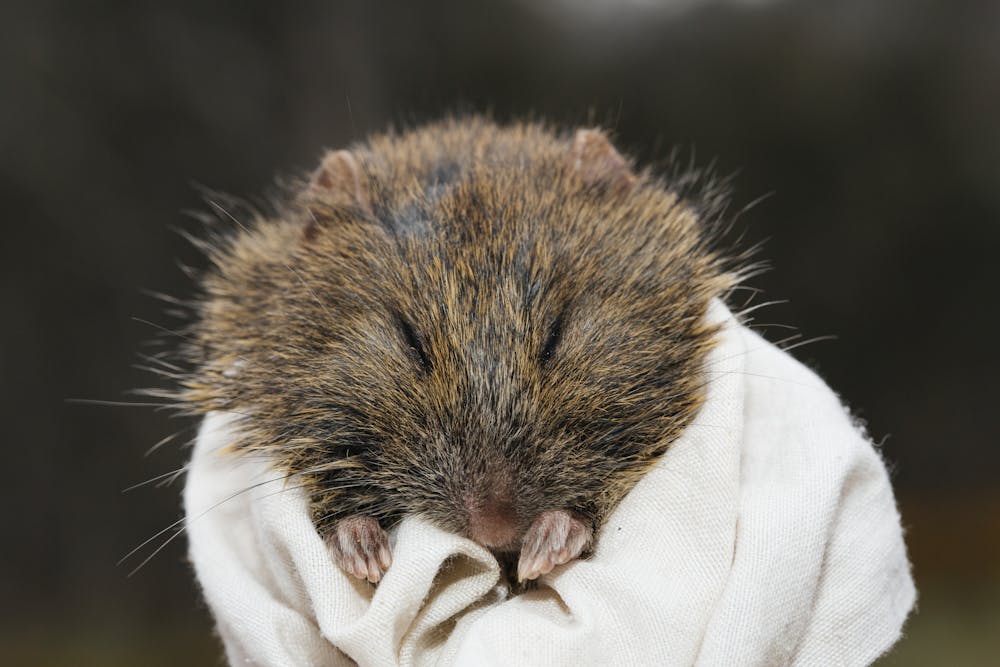 Research for native rodents gain the least amount of funding compared to other animals.
AAP Image/Supplied by Museums Victoria, Heath Warick
Research for native rodents gain the least amount of funding compared to other animals.
AAP Image/Supplied by Museums Victoria, Heath Warick
So, what can the average person do?
First and foremost, learn about what species live where you live, and make sure you can correctly identify a native rodent from an introduced species.
Second, when you hear people complain about all rodents, tell them about our natives, and even show them a photo. Most people have a change of heart once they see one.
Finally, appreciate that our native rodents are just as important as our marsupials, monotremes, bats, amphibians, reptiles and birds, and are just as affected by our activities as any other animal group.
Authors: Chris Wacker, Postdoctoral Research Fellow - School of Environmental and Rural Science, University of New England