

Australia has taken a new climate adaptation blueprint to Glasgow. It's a good start but we need money and detail
- Written by Sarah Boulter, Associate professor of climate adaptation, University of Tasmania
One of the four main goals of the COP26 climate talks in Glasgow is how the world adapts to protect communities and habitats. And in Prime Minister Scott Morrison’s policy hand luggage is a new adaptation plan for Australia.
Adaptation is about how we prepare for the impacts of climate change. It can range from building flood defences to setting up early warning systems for cyclones and switching to drought-resistant crops.
Resilience refers to our ability to contend with and emerge stronger from climate-related effects such as natural disasters. It is less tangible than adaptation and tends to refer to investment in strengthening communities or systems like the health system or ecosystems.
Australia’s first National Climate Resilience and Adaptation Strategy, released in 2015, was nice sentiment which largely gathered dust as the world roared on.
The new version promises more concrete gains – in particular, through national leadership and regular check-ins on how we’re progressing. But there is much detail still to be ironed out and it is unclear if there will be funding for real-world action.
I was among many researchers and stakeholders consulted in developing the strategy. While some will feel it doesn’t go far enough, I believe it’s a good start.
What’s in the plan?
The new strategy lists three objectives. Each speak to the role the federal government sees itself playing:
1. Drive investment and action through collaboration
In the past decade, Australia’s states and territories have produced many of their own adaptation policies, plans and legislation. But many observers felt national leadership was missing.
This time, there’s a concrete proposal to deliver national leadership and collaboration via a newly established National Adaptation Policy Office. The office will coordinate work on climate resilience and adaptation across all governments and provide a central point of contact for businesses and communities.
It will also oversee the strategy’s implementation and report on Australia’s adaptation progress.
How would it work in practice? There is not much detail to go on, yet, but hopefully, this new office would:
drive well-funded actions and investment
broker relationships between research and action
provide a well-tuned ear to local governments, land managers and businesses contending with the real world impacts of climate change.
The less generous prospect is it could be yet more bureaucracy. It’s too soon to say.
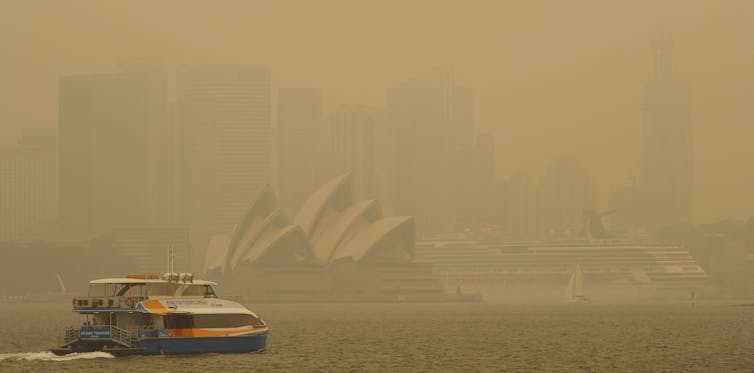
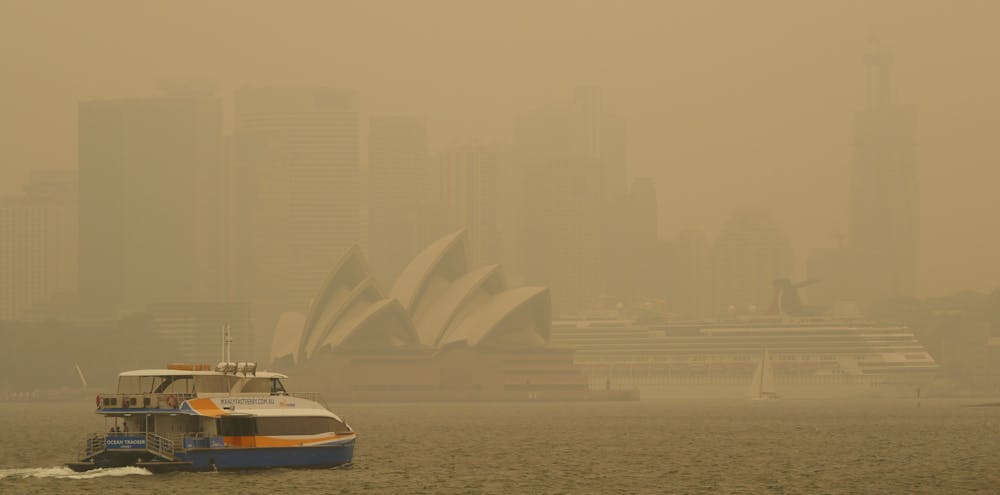 The clear lesson from the 2019-20 bushfires – invest before risks unfold – has hit home.
Shutterstock
The clear lesson from the 2019-20 bushfires – invest before risks unfold – has hit home.
Shutterstock
2. Improve climate information and services
This second objective will largely be met through recent investment in the Australian Climate Service. This government agency, created in the wake of the bushfire royal commission, helps emergency managers better understand changes to hazards in a changing climate.
The funding listed in this objective leans heavily toward climate science. But more funding is also needed for research related to other aspects of climate change adaptation.
This includes which plant and animal species to invest more in conserving, how to protect coastlines and how to make difficult decisions on what to save as the climate changes – and what to let go.
3. Assess progress and improve over time
The strategy’s third objective brings, in my view, the real substance. Under this objective, the federal government promises to conduct five-yearly assessments of national climate impacts and adaptation progress.
This assessment will be co-designed and delivered in consultation with governments, business, professional groups and researchers.
It would bring Australia closer to the approach commonly adopted in other jurisdictions, where regular cycles of risk assessment, action and monitoring take place.
Australian states and territories already have either state-wide or regional risk assessments, offering a foundation on which the Australian government can build.
It needn’t be a lengthy process. New Zealand took nine months to complete their risk assessment. We can afford that time to get all of Australia on the same page.
Measuring progress highlights where risk persists so we can effectively direct investment.
Simple progress indicators might include things such as:
measuring areas of green space that cool urban areas
evaluating how many houses in flood risk areas have been retrofitted with flood protection measures
monitoring changes in demand for irrigation.
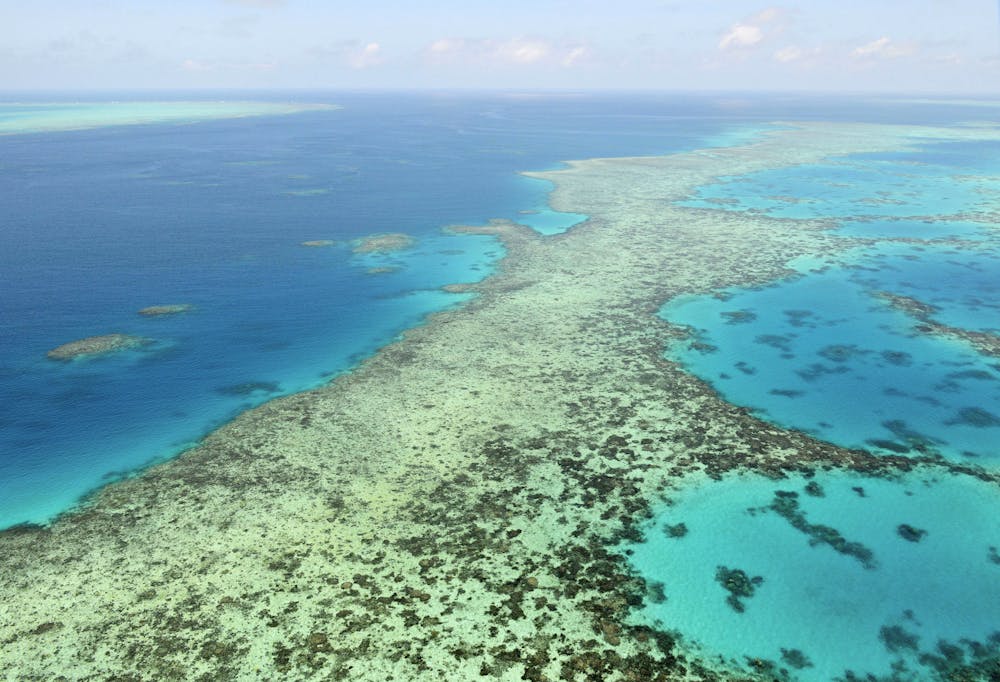 The federal government has promised to undertake a regular assessment of national climate impacts and adaptation progress.
Kyodo News/AP/AAP
The federal government has promised to undertake a regular assessment of national climate impacts and adaptation progress.
Kyodo News/AP/AAP
What’s missing from the strategy?
So far so good, but there are a couple of notable omissions. The first is enshrining the strategy in legislation.
The United Kingdom has a legislative obligation to undertake assessment and monitoring of adaptation. Other jurisdictions also have legislation ensuring risk assessments and action plans.
Australia’s adaptation strategy can still succeed without legislative muscle. But any policy not enshrined in law can easily be overturned if there is a change of government.
The second notable absence is a sufficiently detailed commitment to an action plan. This is a much greater concern. The policy is a high-level document. The desire to see commitment to concrete action was clear in the consultation sessions leading to the plan. There will be a keen interest to see what details come from the National Adaptation Policy Office as it starts up.
So far, federal adaptation funding is allocated to providing research and information, but nothing else. But national action and investment is crucial. The challenge of sea level rise, for example, is bigger than what individual councils or communities can handle on their own.
Also, the strategy is not clear on the role of Indigenous people in building and monitoring adaptation and resilience. Australia’s First Nations people should be meaningfully engaged in framing how a well-adapted Australia could look.
This was central to the New Zealand approach and could be an early priority for the new adaptation agency.
Adaptation is crucial
A clear lesson from the devastating 2019-20 bushfires was to invest in reducing and avoiding risks before disaster unfolds.
It makes good social and fiscal sense to avoid leaving the fate of people and lives to chance, and facing expensive recovery operations, when climate-related disasters occur.
Adaptation is as important as reducing emissions. The new strategy outlines part of the plan needed to get us there – but some opportunities have been missed.
If research, policy and practice continue to work together, I believe we can build an Australia that can survive climate change.
Read more: Drying land and heating seas: why nature in Australia's southwest is on the climate frontline
Authors: Sarah Boulter, Associate professor of climate adaptation, University of Tasmania

















