

From dispossession to massacres, the Yoo-rrook Justice Commission sets a new standard for truth-telling
- Written by Maggie Walter, Commissioner, Yoo-rrook Justice Commission, University of Tasmania
There can be no Treaty without truth.
This simple but powerful statement is the reason for the Yoo-rrook Justice Commission’s mandate to reveal, record and analyse the systemic injustices experienced by Victorian First Peoples since colonisation.
Named from a Wamba Wamba word meaning truth, the Yoo-rrook mandate will take three years from 2021-24. This is a significant step for truth-telling in Victoria.
Truth-telling commissions are formal bodies tasked with discovering and revealing past wrongdoings in the hope of resolving conflict and repairing relationships.
Yoo-rrook’s strategic vision is for a transformed Victoria. A Victoria based on truth and justice, grounded in First Peoples’ enduring spirit, cultures and self-determination.
As any other royal commission, Yoo-rrook will have broad powers to hold public hearings, compel evidence and make recommendations to the Victorian government as to what should change.
The commission’s letters patent is the legal document from the governor-general setting up the Yoo-rrok’s royal commission. This document essentially gives instructions to Yoo-rrook about how to inquire into the experience of past and present systemic injustices for Victorian First Peoples.
The letters patent details a wide-ranging set of obligations that can be summarised as:
establishing an official record of the impact of systemic injustice on the First Peoples of Victoria from colonisation to the present
developing a shared understand among all Victorians on the impact of these systemic injustices, as well as the diversity, strength and resilience of First Peoples
determining the causes and consequences of systemic injustice and make recommendations for system reform and changes to laws, policy and education.
The commission’s findings also aim to support the founding of a new relationship between First Peoples, the state, and the people of Victoria, inclusive of informing Treaty negotiations.
Establishment of the Yoo-rrook Justice Commission
An historical first for Australia, a truth-telling commission was an agreed action of the Victorian government and the First Peoples’ Assembly of Victoria.
The First Peoples’ Assembly was established in 2019 and is the elected representative body of Traditional Owners and other Victorian Aboriginal people. This is a crucial step in the realisation of the Advancing the Treaty Process with Aboriginal Victorians Act 2018.
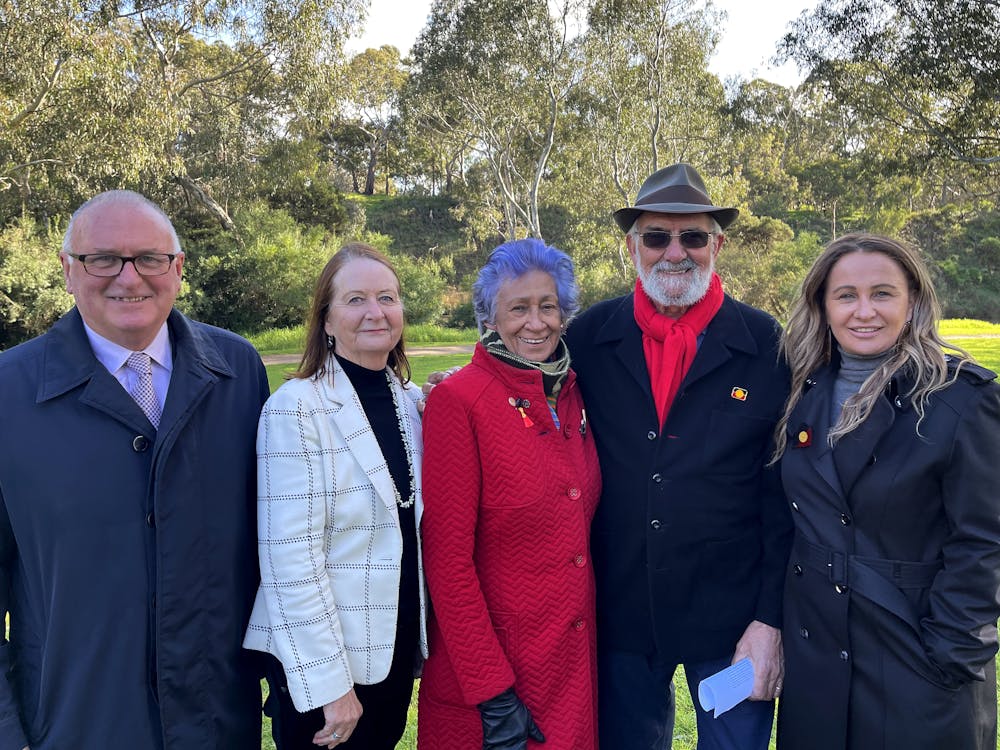
Yoo-rrook began in May with the appointment of five commissioners. Independently selected from 64 applicants, we are:
- Chairperson: Professor Eleanor Bourke (Wergaia/Wamba Wamba)
- Dr Wayne Atkinson (Yorta Yorta/Dja Dja Wurrung)
- Sue-Anne Hunter (Wurundjeri/Ngurai illum wurrung)
- Distinguished Professor Maggie Walter (Palawa)
- Professor the Honourable Kevin Bell AM QC (non-Indigenous)
Yoo-rrook employs a human rights framework aligned to the United Nations Declaration of the Rights of Indigenous Peoples. To ensure the priority of First Peoples’ voices and knowledge, this framework is enacted through a methodology that weaves together First Peoples knowledge systems, worldviews and Western methods of scientific analysis. This methodology ensures an approach that respects Victorian First Peoples values and culture.
The commission’s terms of reference are extensive.
The instructions to inquire into historical systemic injustices perpetrated against First Peoples include (among other areas):
cultural violations, such as denial of First Peoples’ law and lore by colonial state authorities and systems
theft and misappropriation of land and culture
dispossession and displacement of Aboriginal peoples, families and children
massacres, wars and killings
unfair policies and practices in areas such as labour, the justice system, child protection and welfare, and health care
The findings of the royal commission’s inquiry into these areas will be the basis for the official record, and more details will come.
Priority #1: Sovereignty over knowledge
Yoo-rrook is the first Aboriginal-led royal commission. It is also the first in which the foundational evidence is First Peoples voices, stories and knowledges. The commission has now determined four strategic priorities for its first year.
To maximise participation, Yoo-rrook’s first strategic priority has been to build strong foundations to bring about trust that First Peoples’ voices will be heard, and the commission’s processes are conducted in a culturally appropriate way.
Despite the COVID-19 lockdowns of the last six months, the commissioners and commission staff have consulted (mostly online) with Traditional Owner groups and many Aboriginal community-controlled organisations across Victoria.
Yoo-rrook is instructed to uphold the sovereignty of First Peoples over their knowledge and stories. This will be done through the Indigenous data sovereignty principles, which is the right of First Peoples to own, control, access and possess their respective data.
This means the First Peoples who provide evidence to Yoo-rrook will maintain ownership of their respective data, determining how their information is treated with regards to confidentiality and accessibility.
This is significant because with past royal commissions, evidence has been available to the public. This is not always in First Peoples’ best interest.
Priority #2: Culturally appropriate ways of collecting evidence
Yoo-rrook’s second strategic priority is to focus on formal evidence collection from Elders and those who are unwell.
The commission is acutely aware of First Peoples unease toward formal processes such as these. So, culturally safe systems have been developed.
For example, the commission is accepting evidence in relation to the experience of historic and ongoing systemic injustice in a myriad of ways. These include individual witness statements, group testimony and testimony through cultural means, such as ceremony, dance and art. Evidence can also be given confidentially and on Country, with ongoing support for social and emotional wellbeing in place.
Priority #3: Creating a public record of systemic injustice
The third strategic priority is to develop a comprehensive picture of systemic injustices against First Peoples as part of the official record of what happened in Victoria.
This will be done via the compilation and interrogation of existing knowledge sources. This work has begun with the collection of official records, academic studies and legislative materials.
Priority #4: Reviewing the criminal justice system
The fourth priority is to review current reform processes in criminal justice and law enforcement.
This will begin with First Peoples’ experiences with these systems and an examination of the implementation of Royal Commission into Aboriginal Deaths in Custody’s recommendations in Victoria.
Setting a global precedent
The task of the Yoo-rrook Justice Commission is intimidating and the timeframe is short. Yoo-rrook is required to deliver an interim report in June 2022 and a final report in June 2024.
It is the only truth-telling commission anywhere authorised to scrutinise First Peoples’ experiences of systemic injustices, past and present, arising from colonisation.
That Yoo-rrook has been initiated in Victoria should be a matter of pride for all Victorians. The commission is setting a national and global precedent. Because Yoo-rrook is the first, it assuredly will not be the last.
The world is watching.
If you are interested in reaching out to the commission, you can do so here.
Authors: Maggie Walter, Commissioner, Yoo-rrook Justice Commission, University of Tasmania

















