

There's an enormous geothermal pool under the Latrobe Valley that can give us cheap, clean energy
- Written by Graeme Beardsmore, Senior Fellow in Crustal Heat Flow, The University of Melbourne
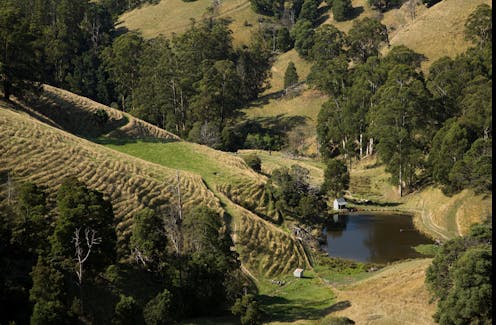
About 650 metres beneath the Latrobe Valley, the heart of Victoria’s coal country, lies a little-known, naturally hot 65℃ pool of water in an enormous aquifer.
This aquifer is a source of geothermal energy – a renewable source of heat or electricity that is, so far, being used to heat an aquatic centre in the town of Traralgon. They chose it – over natural gas, coal-fired power or even emissions-free solar and wind – because geothermal energy is now the cheapest option for heating.
The hot aquifer was first reported as long ago as 1962, when government geologist J.J. Jenkin noted many “occurrences of high temperature waters in East Gippsland”. We now know the hot water underlies about 6,000 square kilometres of Gippsland, from Morwell in the west to Lakes Entrance in the east, and holds the equivalent of A$30 billion of heat at today’s natural gas price.
But with natural gas flowing from Bass Strait, and vast reserves of brown coal in the Latrobe Valley, there has been little incentive to develop alternative energy sources. With the coal era now drawing to a close, it’s time we made better use of this vast, clean source of energy to help cut national emissions and ease the energy transition.
Geothermal energy around the world
The core of the Earth is about the same temperature as the surface of the sun. That vast internal heat is like a hotplate warming natural groundwater from below. Beneath the Latrobe Valley, thick coal layers act like a blanket, which makes the underlying aquifers hotter than aquifers in other locations.
The result is unusually hot natural water without needing to burn any fossil fuels – emissions free. At deeper depths we can capture natural steam, and use it to turn turbines for a generator.
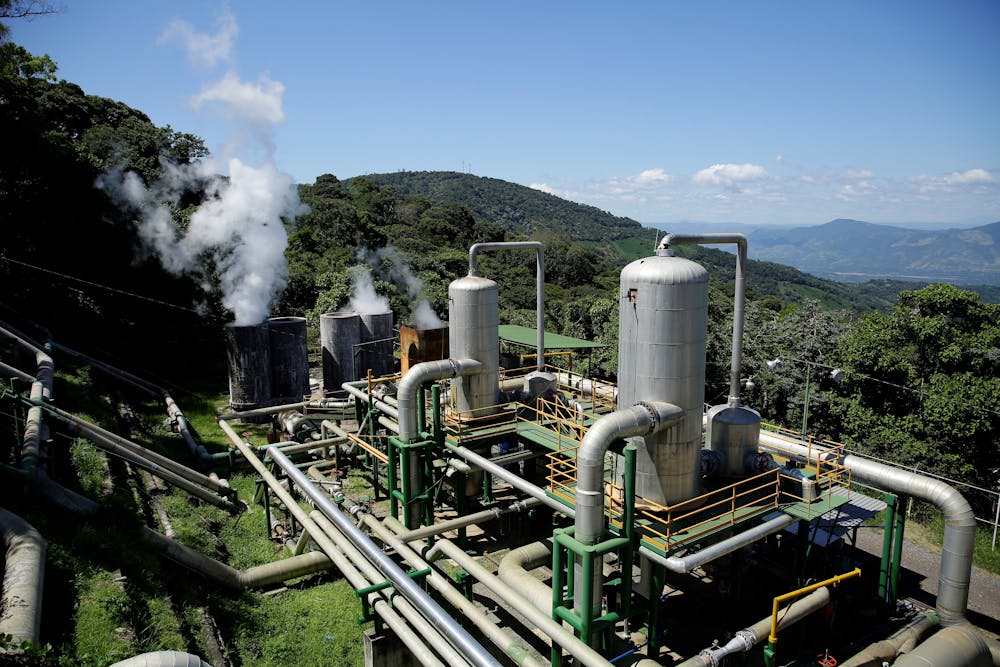
In many parts of the world, natural hot water already provides sustainable, low emissions heat to a wide range of residential and industrial consumers.
In carrying out a recent global scan of energy production from hot aquifers, I learned large parts of suburban Paris are heated by geothermal energy from a hot (56–85℃) aquifer between 1,600 and 1,800m beneath the city.
In the Netherlands, industrial scale greenhouses are replacing their natural gas heating systems with geothermal heat from aquifers, 1,800-2,200m below the surface.
Beijing is one of the world’s leading urban centres using geothermal energy. Wells as deep as 2,600m produce up to 70℃ water for many industrial purposes, from winter heating for hotels and factories, to greenhouse cultivation, to public geothermal bathing pools visited by as many as 50,000 people per day.
Read more: How to transition from coal: 4 lessons for Australia from around the world
On a smaller scale, a town in Hungary circulates natural hot water (64–72℃ from 1,450–1,700m depth) through a network of distribution pipes. And Perth, Western Australia, uses natural hot water (40–52℃ from 750–1,150m) to heat at least 14 leisure and aquatic centres.
Importantly, in almost every case, the water itself is returned to the aquifer after delivering its heat. In other words, water is not consumed in the production of geothermal energy, making it renewable and sustainable.
When compared to geothermal systems around the world, it’s obvious natural hot water beneath the Latrobe Valley, at only 650m depth, is a truly world class geothermal energy resource that has, until now, been largely overlooked.
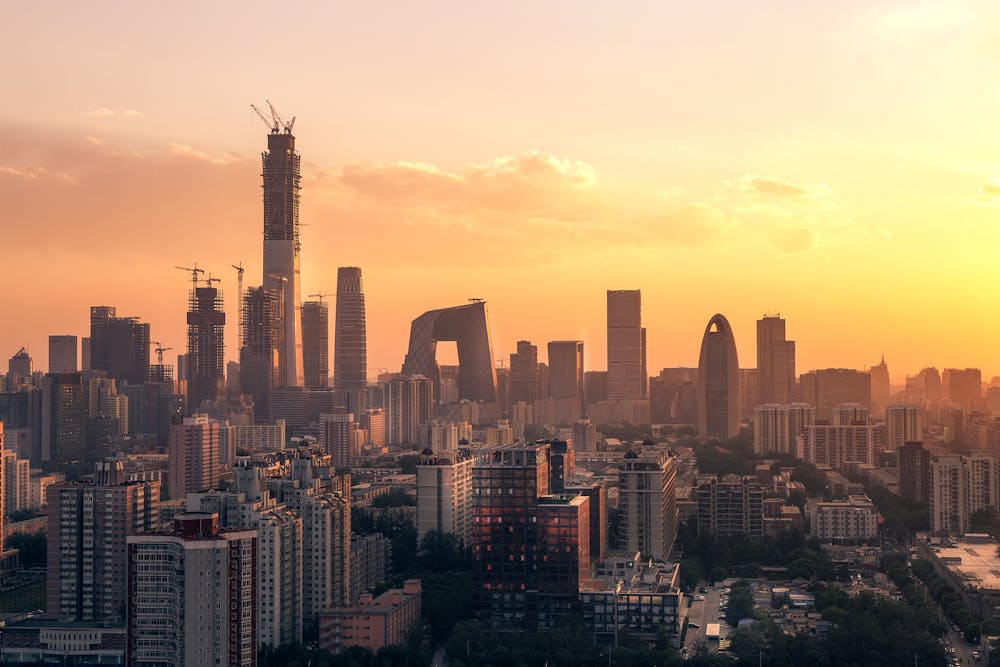 Beijing is a world leader in geothermal energy use.
Shutterstock
Beijing is a world leader in geothermal energy use.
Shutterstock
A cheaper alternative to gas
It’s a lot cheaper to drill a 650m bore than a 1,500m or deeper bore. This means it’s cheaper to produce geothermal energy in the Latrobe Valley than many places where geothermal energy already provides economic advantage.
In fact, geothermal heat is very likely a much cheaper alternative to natural gas. Since Australia began exporting liquified natural gas out of Queensland in 2015, the wholesale price of natural gas in eastern Australia has roughly tripled and is projected to rise further and remain high.
The higher price of natural gas affects the economy across the whole of Australia. The federal government estimates 40% of energy Australian households use is for heating and cooling, and a further 23% is for water heating. A 2019 report commissioned by the Australian Renewable Energy Agency found 52% of energy used by the nation’s industrial sector is consumed as heat.
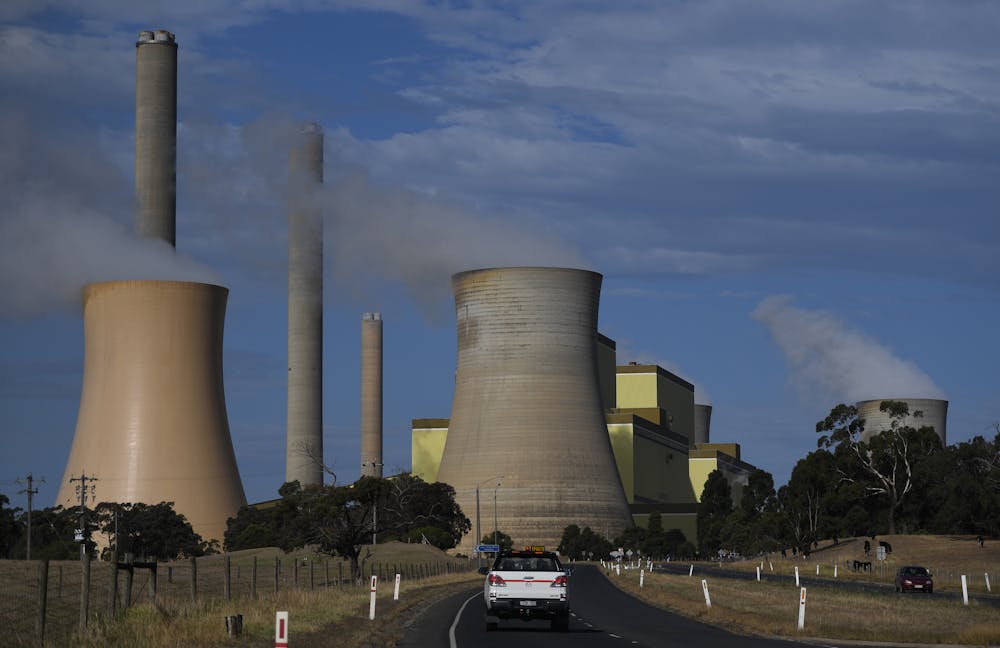 The Latrobe Valley is home to one of the largest brown coal reserves in the world.
AAP Image/Julian Smith
The Latrobe Valley is home to one of the largest brown coal reserves in the world.
AAP Image/Julian Smith
But there are other long-term benefits the geothermal energy resource could deliver to the Latrobe Valley.
Victoria’s heavy reliance on natural gas for heat also presents a huge challenge for the state to meet its legislated greenhouse gas emission reduction targets of net zero by 2050.
Under this plan, the remaining coal-fired power plants in the Latrobe Valley are all scheduled to close in the coming years and decades, requiring support for workers to be reskilled.
Producing geothermal energy from hot aquifers can help on both fronts: by avoiding greenhouse-gas emissions and by reemploying skilled workers into new industries.
Read more: Climate explained: why does geothermal electricity count as renewable?
What’s next?
I’m working closely with a number of stakeholders – including the Latrobe City Council, the Latrobe Valley Authority, the Geological Survey of Victoria, local businesses and community groups – to help realise the potential of this massive, undervalued source of clean energy.
The untapped potential for geothermal energy in the Latrobe Valley.We seek to better understand and sustainably develop this resource to help Australia meet it’s emissions reduction targets, and to bring the price of energy down.
This includes projects such as mapping, investigating the potential for power generation from deeper hotter rocks, and identifying and clearing policy and regulatory barriers.
The lessons we learn in the Latrobe Valley will carry across to other parts of Victoria and Australia – such as the Mornington Peninsula, Otway coast, and the Great Artesian Basin spanning NSW, Queensland and South Australia – where hot water is known to lie deeper, but still very accessible.
Authors: Graeme Beardsmore, Senior Fellow in Crustal Heat Flow, The University of Melbourne

















