

'I was told if I couldn't hack it, I should hand in my uniform.' Volunteers share suicidal thoughts after fighting bushfires
- Written by Erin Smith, Associate Professor in Disaster and Emergency Response, School of Medical and Health Sciences, Edith Cowan University
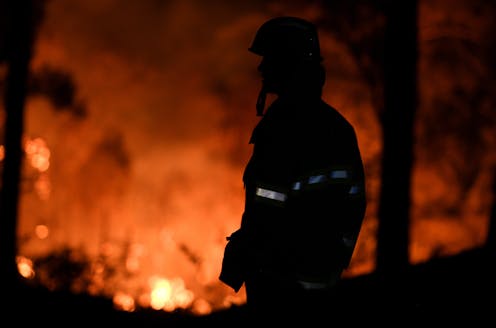
As Australia braces for another bushfire season, new research from Edith Cowan University has revealed how our volunteer firefighters are still reeling from the effects of the catastrophic 2019/20 bushfires.
Of the nearly 65,000 responders who helped during the Black Summer bushfires in NSW, 78% were volunteers. In our study, 58 of the responding volunteer firefighters shared how the experience had impacted their mental health.
Nearly half reported living with post-traumatic stress symptoms such as flashbacks, nightmares, and anxiety. Some 11% had been diagnosed with post-traumatic stress disorder (PTSD). And 5.5% revealed they had made suicide plans. One described a suicide attempt.
Our findings support other Australian research that found 4.6% of volunteers who responded to the Black Summer bushfires had seriously considered ending their life in the year following the fires.
Yet many don’t seek help. As one volunteer firefighter said:
If the organisation don’t care enough to ask, why am I going to tell them?
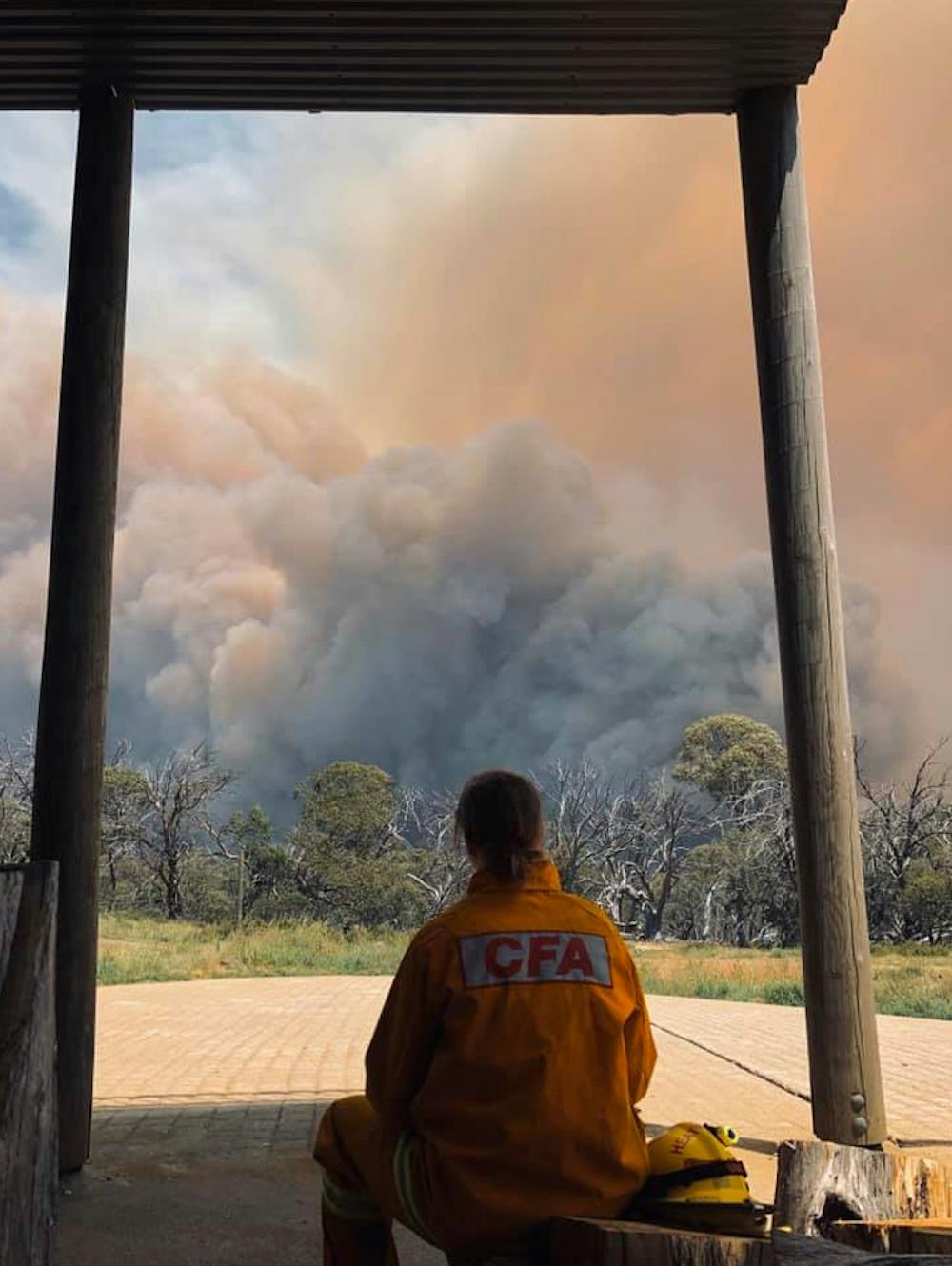
A cumulative mental toll
Volunteer firefighters described the cumulative impact of repeated exposure to bushfire.
It was a prolonged period of nothing but fire activity, nothing but focusing on that next deployment, that next fire, with very little time to rest and recover. And with each new fire, I noticed that my mental state was taking a bigger hit.
The subsequent challenges associated with the COVID pandemic further eroded resilience and led to a drop in volunteer firefighter numbers.
The Australian Institute of Health and Welfare recently reported that in the aftermath of the 2019–20 bushfires, more than half of Australian adults felt anxious or worried about the bushfires and there was a 10–15% increase in calls to the Lifeline crisis support hotline.
But despite the clear impact on well-being among the volunteer firefighters we spoke to, less than half had sought mental health support in the year following the fires. This reveals a lack of progress in supporting the mental health and well-being of emergency responders. One firefighter expressed a feeling of hopelessness:
I haven’t thought about suicide. But I also don’t really care if I live.
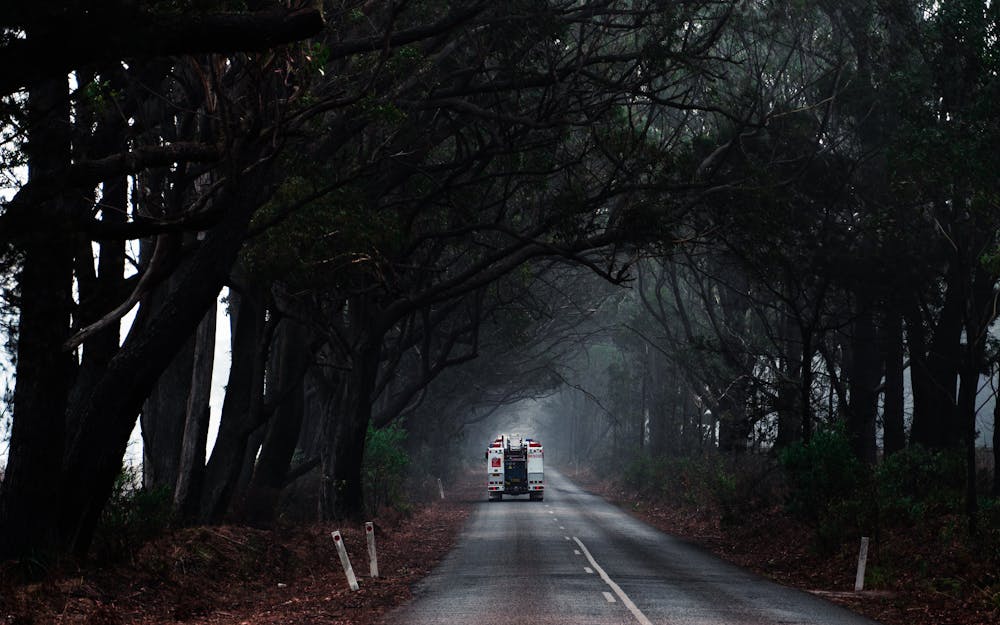 Volunteer firefighters felt more supported when they could speak to someone who ‘got it’.
Shutterstock
Volunteer firefighters felt more supported when they could speak to someone who ‘got it’.
Shutterstock
Employee assistance isn’t enough
Experience from the 2009 “Black Saturday” bushfires in Victoria showed the mental health impact on those who respond to major bushfire events is often complex and protracted.
Firefighters and other support personnel were at increased risk of developing PTSD, depression, anxiety and complicated grief compared to the general public and when these issues were inadequately treated, they carried an increased risk of suicide.
Yet some ten years later, firefighter volunteers are still dealing with the same problems.
We saw it with Black Saturday. We saw it again with Black Summer. How many more times do we need to see it? How many more of us need to be injured? How many more of us need to lose our jobs? Our families? Our lives? What will it take for our them [the organisations] to actually value us?
The majority of volunteer firefighters we spoke to felt their organisation hadn’t provided enough of the “right type” of support, with many simply providing a link to an Employee Assistance Program.
While such programs have a role to play, they risk being seen as tokenistic; especially when they are outsourced away from responders who share similar experiences. The duration of access was also a problem; many volunteers reported they could only access three free counselling sessions before having to seek alternative support.
A toxic masculine culture is also associated with many emergency service organisations. Seeking help for mental health is still seen as weak, career-limiting, or even career-ending.
The one time I did actually admit I was struggling, I was told by someone in a leadership position that if I couldn’t hack it, I should hand in my uniform.
There is a perceived need for firefighters to be impervious to the impact of trauma exposure. Only 15% of the volunteers we spoke to who sought help did so via their organisations.
The power of peer support
When we asked what would be most helpful for supporting well-being, the message was clear: volunteer firefighters wanted to talk about what they had gone through with someone who “got it”.
The sharing of lived experience offers a different kind of support for many responders who had not benefited from more traditional counselling programs.
The idea of peer support is to harness people’s own lived experience to support others. Peer support has long been provided informally by friends and family and through community support groups and grassroots organisations.
But in recent years, we’ve seen lived experience shared through more formal methods such as clinical settings and community suicide prevention. Research has shown patients supported through the sharing of lived experience are less likely to be readmitted to hospital following acute mental health issues.
A key lesson from the Black Summer bushfires is the need to empower local communities and volunteer organisations to safely and effectively provide peer support.
Read more: Friday essay: this grandmother tree connects me to Country. I cried when I saw her burned
Feeling safe
Leaders need help too, so they can confidently build mental health understanding and foster a psychologically safe culture in their workplace or organisation.
Part of building a psychologically safe environment is reflected in how people show up for one another. For volunteer organisations to be healthy and equitable places where everyone can thrive and feel valued, leaders must focus on creating an environment that reflects these values.
The Emergency Services Foundation recently completed a pilot program called Leading for Better Mental Health, which helps volunteer firefighters stop fearing negative consequences of seeking help for their mental well-being.
Bushfires will continue to have a devastating impact on our natural environment in the summers to come. We must work to ensure those responding to them don’t suffer the same fate.
Read more: As bushfire season approaches, we need to take action to recruit more volunteer firefighters
Authors: Erin Smith, Associate Professor in Disaster and Emergency Response, School of Medical and Health Sciences, Edith Cowan University

















