COVID saw us sitting longer – and diabetes rose globally by 16% in 2 years. Time to get moving
- Written by Christian Brakenridge, PhD Candidate, Baker Heart and Diabetes Institute
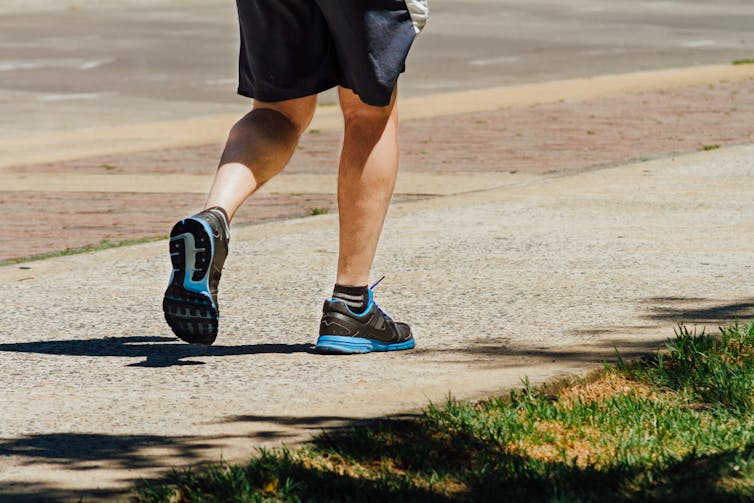
New figures show global diabetes prevalence has increased by 16% in the past two years, with 537 million adults (aged 20-79) now estimated to be living with the chronic condition.
Over this same time period, COVID has stopped us doing some of the things that help prevent and manage diabetes. One particularly concerning example is an increase to sedentary behaviour (sitting down for long periods of time), which was already at dangerous levels pre-COVID. Some estimates indicate the pandemic added an average three hours to our sitting time each day.
Now lockdowns have eased in many places, it is vital we get moving again – and in the right way – to change this picture.
Reducing sitting time is a good starting place to help people with diabetes, pre-diabetes and other chronic conditions to reach healthier levels of physical activity.
A growing global problem
Data from the International Diabetes Federation’s 10th Diabetes Atlas, officially launched today, shows about 10% of the world’s population aged 20–79 now live with diabetes, and diabetes prevalence is predicted to steadily increase to around 784 million adults by 2045.
Most of these people live with type 2 diabetes, a chronic condition that affects the way the body processes blood sugar (glucose). In type 2 diabetes, repeated fluctuations in blood glucose levels eventually mean the body doesn’t respond properly with insulin – the hormone produced that allows glucose to go from the blood to the cells.
This can progress to common diabetes complications such as blindness, nerve damage, heart disease and kidney disease. Recent reports point to an even wider range of diabetes impacts like increased risk of liver disease, dementia, depression, and some cancers.
Our research highlights regular movement as a key way to help manage diabetes and help prevent complications. Getting moving effectively improves glucose control, blood pressure, vascular health and memory.

Moving out of lockdown
As we transition to COVID-normal, we must leave lockdown levels of physical inactivity and sedentary behaviour behind.
Reducing sitting time is a good “first step” because it appears more achievable for many and less daunting than a new exercise regime, especially for people who have been highly inactive or who live with a chronic health condition.
Simple lifestyle strategies to reduce sitting time and replace it with either standing or, even better, light physical activity improve metabolism, and for people with type 2 diabetes can prevent and help “sponge up” rising blood glucose levels if insulin isn’t being produced properly.
Breaking up sitting every hour with just two or three minutes of walking can make a difference to glucose control compared with prolonged and uninterrupted sitting. And some evidence shows greater time spent doing light activities daily like household chores, playing with pets, or light garden work, can provide greater blood sugar control over 24 hours than structured workouts.
We are currently testing how these small changes influence diabetes in a clinical trial. Our goal is to help desk workers with diabetes reduce and break up their sitting time.
 Desks that convert from sitting to standing position can help.
Unsplash, CC BY
Desks that convert from sitting to standing position can help.
Unsplash, CC BY
Lorys’ story
One of our trial participants, Lorys, 64, was gutted when he was diagnosed with type 2 diabetes 11 years ago.
Like many people, he was leading a sedentary lifestyle. A demanding job involving long hours at the computer meant he was sitting for most of the day, stressed and anxious about his health. Diabetes medication wasn’t improving his blood glucose levels as much as he would have liked. Then the pandemic arrived and working from home exacerbated the problem because he was doing less everyday activity, such as walking to and around the office.
As part of the trial, Lorys has started using a sit-stand workstation and an activity tracker to encourage regular short walks throughout the day. He’s focussed on gradual lifestyle changes, small steps that feel achievable and have already added up to make a big difference.
Since the start of this year, Lorys’ HbA1c level – a key diabetes health marker – has almost halved. He’s lost weight and says his mental outlook is more positive. He says he no longer thinks of diabetes as a “death sentence”.
Read more: Got pre-diabetes? Here's five things to eat or avoid to prevent type 2 diabetes
5 ways to quit the sit
Whether we have type 2 diabetes, pre-diabetes, or just want to get back to a healthier lifestyle post-lockdowns, most of us can benefit from some simple changes:
1. try using a height-adjustable (sit-to-stand) desk. Start standing for a few minutes each day and gradually scale up to standing or walking for 30 minutes of every hour
2. use phone meetings or phone calls as a prompt to stand
3. try walking work meetings or catching up with friends for a walk
4. after finishing a work task or an episode of your favourite TV show, take a short walk around the block
5. set a calendar reminder or use a wearable device to prompt you to stand up and move regularly throughout the day.
The body is made for motion.It’s been a tough couple of years, especially for people living which chronic health conditions. But it’s not too late to make changes to prevent and manage diabetes and its complications.
Authors: Christian Brakenridge, PhD Candidate, Baker Heart and Diabetes Institute