

House dust from 35 countries reveals our global toxic contaminant exposure and health risk
- Written by Cynthia Faye Isley, Postdoctoral Research Fellow in Environmental Science, Macquarie University
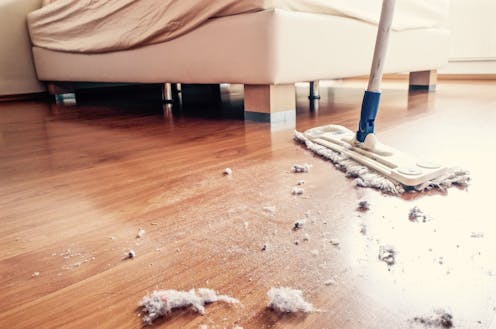
Everyone’s home gets dusty, but is yours the same as house dust in China or the US? Researchers around the world have united to capture the world’s first trans-continental data on household dust.
People from 35 countries vacuumed their homes and sent their dust to universities in different countries, where it was tested for potentially toxic trace metals. Researchers gathered data on the human and household factors that might affect how much humans are exposed to these contaminants.
This is the first effort to collect global data of this type in a single study. It shed new light on the sources and risks associated with trace metal exposure, which can lead to concerning neurocognitive effects in people of all ages.
The study shows it doesn’t matter whether you live in a high or low income country, are rich or poor – we’re all exposed to contaminants via dust.
Read more: What is dust? And where does it all come from?

Differences between countries
Local environmental factors and contamination histories can make a difference.
In New Caledonia, elevated chromium, nickel and manganese were evident, due to local rock, soil and nickel smelters. These may be linked to increased lung and thyroid cancers in New Caledonia.
In New Zealand, arsenic concentrations are naturally high. One in three New Zealand homes exceeded the acceptable health risk for children under two, set by the US Environmental Protection Agency.
Australia has concerning levels of arsenic and lead contamination in house dust. One in six Australian homes exceeded the US Environmental Protection Agency acceptable health risk. Arsenic exposure can increase cancer risk and cause problems to respiratory health and immune function. Lead can affect children’s brain and nervous system development, causing behavioural and developmental problems.
It’s clear lead mining and smelting activities cause high lead levels in dust for local communities. But the study shows inner city areas are equally affected, commonly from legacy sources like emissions from the leaded petrol era, or peeling lead paint in homes.
Data from Accra, in Ghana showed homes contained elevated lead concentrations, likely due to nearby electronic recycling operations. Old wiring and circuitry are burned to extract metals, causing trace metals such as lead, nickel and copper to fall out as dust across the city.
So where do contaminants in house dust come from?
One source reflects lead from past leaded petrol emissions and paints. Another reflects the degradation of building materials, rich in copper and zinc. This was more prevalent in older homes, which have seen more wear and tear and have been exposed to traffic emissions longer.
The third common source is soil, which gets blown in from outside and walked into homes by people and pets.
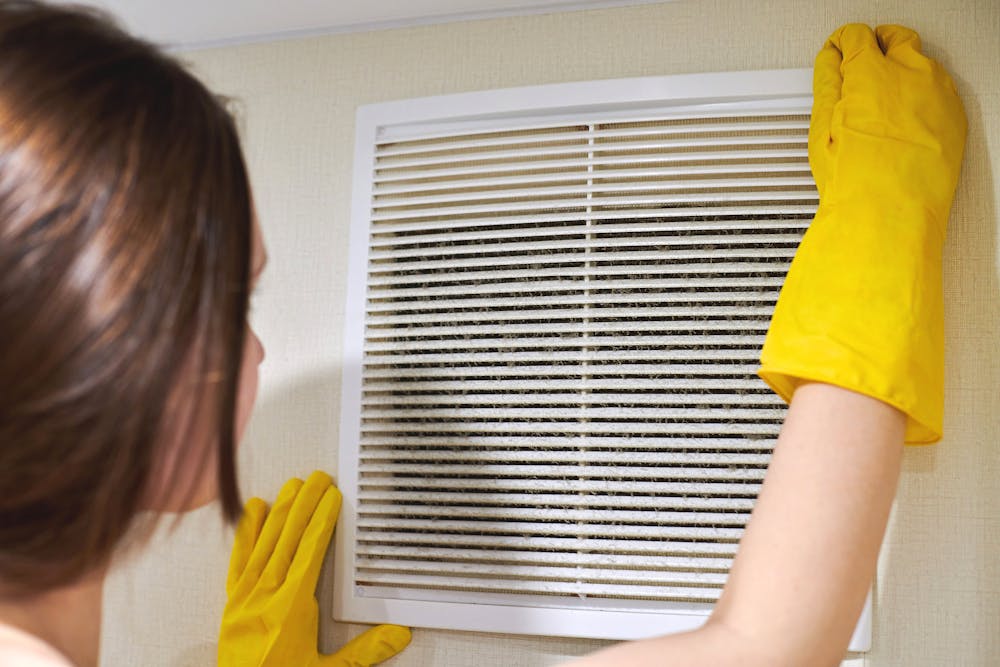 Simple home cleaning practices, like frequently vacuuming, mopping and dusting with a damp cloth can reduce your exposure to contaminants in dust.
Shutterstock
Simple home cleaning practices, like frequently vacuuming, mopping and dusting with a damp cloth can reduce your exposure to contaminants in dust.
Shutterstock
What factors affect how risky your dust is?
We also gathered global data on building materials, pets, hobbies, habits and home characteristics.
What made the most difference to metals in dust were house age, peeling paint, having a garden and smoking.
Interestingly, homes with garden access had higher dust concentrations of lead and arsenic.
Older homes had higher levels of all metals except chromium, and are likely to have residues from peeling paints, traffic and industrial pollutants, pest treatments and other chemicals.
Other factors, such as home type, building material, heating fuel didn’t appear to influence trace metal concentrations in homes.
Critically, what’s outside ends up in our homes, where it can be inhaled and ingested.
While global averages were within accepted thresholds, many individual homes exceeded these, particularly homes in Australia for lead-related risks, New Caledonia and the US for chromium-related risks, and New Zealand for arsenic-related risks.
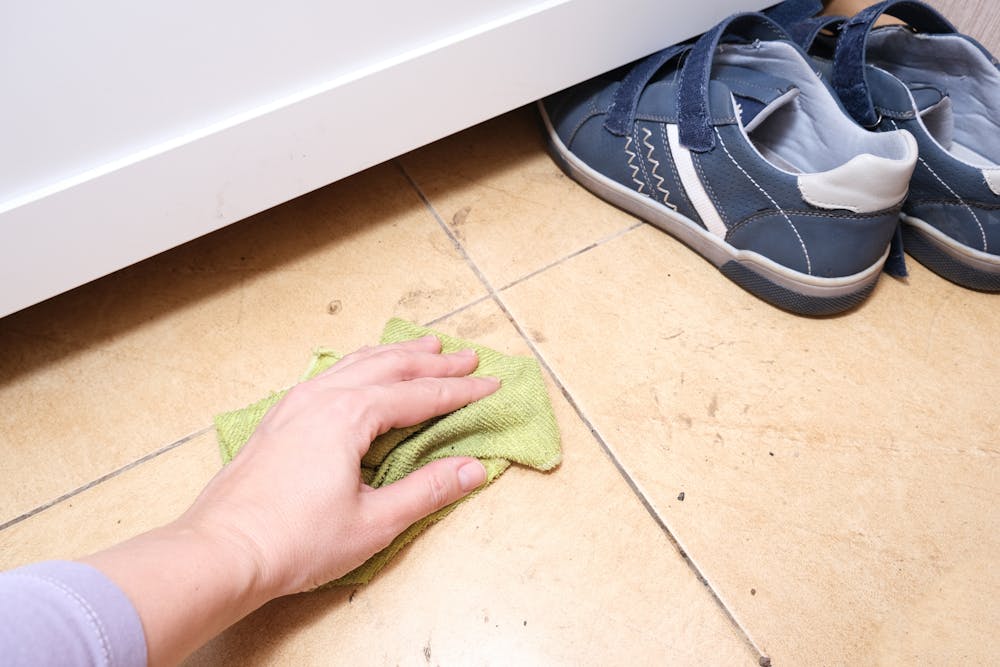 Reduce the amount of dust entering your home by taking your shoes off at the door.
Shutterstock
Reduce the amount of dust entering your home by taking your shoes off at the door.
Shutterstock
How to reduce your exposure to contaminants in dust
Frequent vacuuming, mopping and dusting with a damp cloth can reduce your risk. Vacuuming reduces contaminants like microplastics in house dust.
If you live in an older home, keep the paint in good condition so it’s not flaking off.
When painting or renovating, follow safety guidance from your state’s environmental protection authority – or call a professional.
Hobbies involving lead, like fishing, shooting and metal work, can affect your trace metal exposure. Choosing not to smoke inside will reduce exposures to chromium and manganese.
Cover exposed soil in your garden with mulch or grass, use a dual system of outdoor and indoor mats, take shoes off at the door and towel down muddy pets before letting them inside.
Considering we spend most of our lives indoors, there is growing international interest in setting public health guidelines for chemicals in indoor settled dust.
In Australia and the US, we have guidance for lead dust, but not other contaminants.
The best way to know what’s in your house dust is to have it tested by DustSafe researchers.
Authors: Cynthia Faye Isley, Postdoctoral Research Fellow in Environmental Science, Macquarie University

















