

Schools can expect a year of disruption. Here are 7 ways they can help support the well-being of students and staff
- Written by Elizabeth J Edwards, Senior Lecturer in Education, The University of Queensland
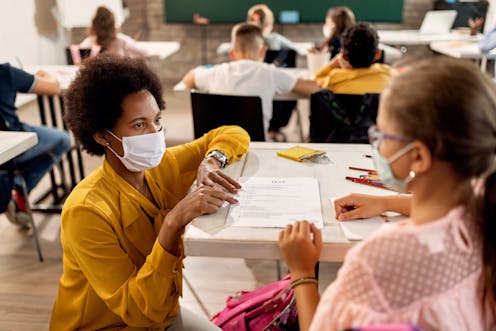
There’s just over a week to go before term one starts across the country – except in Queensland which has pushed back the start of the school year. We are yet to see states and territory plans for how to open schools safely, and to minimise the inevitable Omicron-induced teacher shortages, but one thing is clear: even with plans in place, schools will continue to experience disruptions in 2022.
As such, they will bear the consequences for the mental health of their staff and students.
Read more: COVID and schools: Australia is about to feel the full brunt of its teacher shortage
We investigated what schools have done during the pandemic to help support and maintain the well-being of their students and staff. We reviewed studies world-wide on the initiatives they used and listened to 25 experts – school leaders, teachers and school psychologists and counsellors – from public, independent, primary and secondary schools across Australia. Most participants (80%) were from Queensland schools and all had experienced school disruptions during the pandemic.
We pulled out seven steps schools can take to mitigate mental ill health during COVID-related disruptions and help staff, students and the school community deal with uncertainty.
1. Have clearly outlined plans for certain events
School staff need a clear protocol for what to do when certain events occur, so all staff are on the same page.
For example, what happens if the school closes for face-to-face teaching (fully or partially)? What roles will each staff member play? What happens when a child or teacher gets very sick or even dies?
These guidance documents must be easily accessible and every staff member must know where to look.
One teacher whose school had such plans in place told us:
we had excellent protocols […] it was great to just get that folder off the shelf and go.
2. Help staff maintain their own well-being and emotionally support students
Schools must provide staff with the skills they need to have difficult conversations with students, identify those at risk, and incorporate some psychological and emotional strategies into their teaching practice.
Our interviewees described such professional development being part of their weekly after-school staff meetings (sometimes termed learning lounges). They recommended many of these meetings could focus on self-care and provide opportunities for teachers to share their experiences of stress and how to deal with it.

This time could also be used to give teachers strategies to manage their own well-being. One study we looked at examined the effectiveness of a reframing intervention to build resilience and reduce burnout in teachers in Israel. Teachers would identify their stressful thoughts and then find evidence for opposing these thoughts. Teachers reported increased resilience and improved well-being relative to the control group who reported greater burnout.
School psychologists and counsellors and other professionals could also share strategies with teachers for how to incorporate mindfulness techniques into classes.
And they can help teachers have difficult conversations with kids. It is normal for students to feel worried or sad after loss of any kind. In the initial stages, they need to have a conversation with a familiar person who can empathise with their worry and grief. Teachers who know a student well can be helped on how to have these early conversations and refer the student for further support when needed.
3. Be patient with students who may need time to adjust
Children and young people benefit from a secure school environment and familiar routines, but returning to school after a disruption requires flexibility.
Schools and teachers must understand it won’t be possible to get back to normal right away, so be patient with all students and their unique responses. Students may have had different COVID-related experiences and where one student takes disruption in their stride, another might need more support and time to adjust.
Read more: A familiar place among the chaos: how schools can help students cope after the bushfires
4. Incorporate mindfulness and calming techniques into classes
Incorporating activities to teach self-calming, emotion regulation, and other coping skills into regular class time can help. Mindfulness has been shown to be particularly effective for reducing anxiety, depression and stress in 14-18 year olds.
A review of numerous studies recommends 35 minute group mindfulness sessions, twice a week for eight weeks (including basic stress management education, yoga, and breathing and relaxation techniques) delivered by trained teachers as part of typical classroom routine. There are also free smartphone apps tailored to young people that offer mindfulness and other exercises.
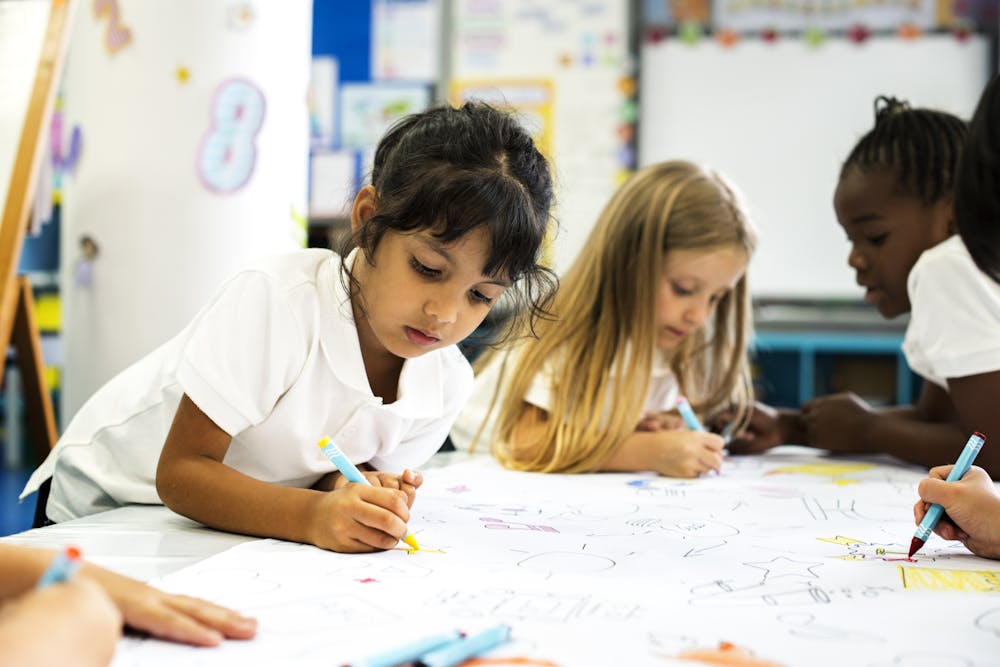 Practicing relaxation and mindfulness techniques such as art therapy or going for a walk can help kids feel less stressed.
Shutterstock
Practicing relaxation and mindfulness techniques such as art therapy or going for a walk can help kids feel less stressed.
Shutterstock
One teacher we interviewed told us “a pandemic feels like you’re out of control”, and recommended “normalising that […] using mindfulness, gratitude and going for walks.”
A study of teenagers in China found listening to daily mindfulness increased students’ resilience and emotional intelligence. In another study, primary school students in Canada received two forms of online art therapy which showed a reduction in their anxiety.
Read more: A place to get away from it all: 5 ways school libraries support student well-being
5. Put together a team to address school community’s concerns
Principals (or a senior leader) should be available for teachers and parents to express their concerns to.
The school can bring together a leadership team of school psychologists/counsellors, chaplains, health nurses and other support people to share the burden of addressing them.
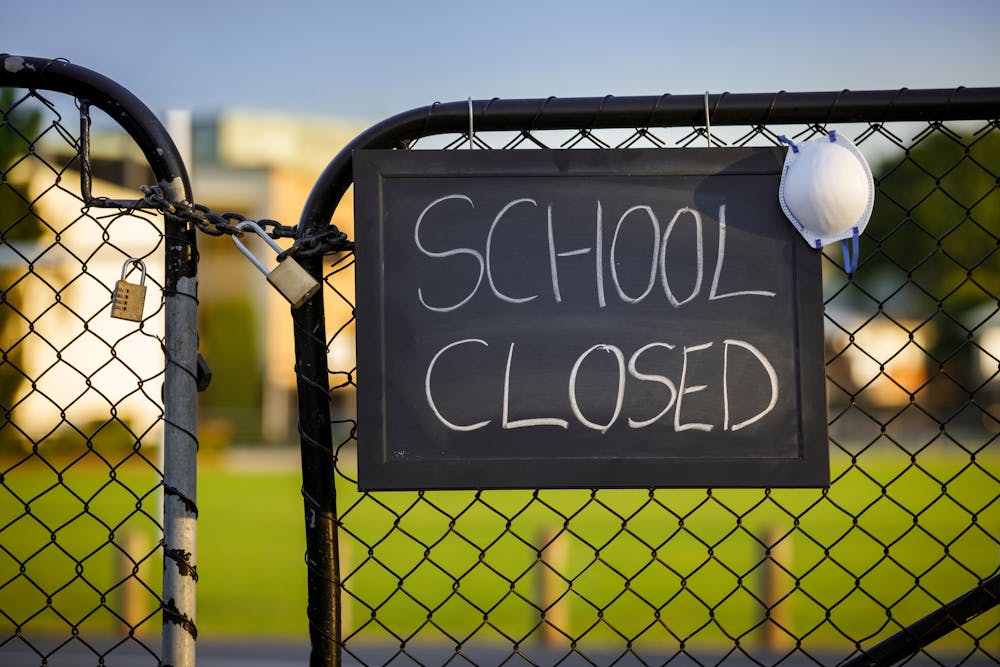 Schools may have to close due to infections, but keeping the community informed in a timely way can help them cope with uncertainty.
Shutterstock
Schools may have to close due to infections, but keeping the community informed in a timely way can help them cope with uncertainty.
Shutterstock
Regular communication is also important. Anxiety will be high and keeping the school community regularly informed of any changes or protocols will go some way to calming the sense of uncertainty.
One school leader told us:
It’s really important to communicate regularly and the same message over and over again to everybody.
6. Have a support system in place for teachers
We found an effective way to help support teachers is to have a buddy system so teachers can support each other.
Another way is to make sure the leadership team checks in with all the staff members regularly. As one school leader told us:
we had a group list of […] every single staff member and we made a commitment that we would ring each one of those people once a week.
Read more: Teachers are expected to put on a brave face and ignore their emotions. We need to talk about it
7. Identify and keep an eye on students at risk
Watch for signs when a student is not coping in the weeks and months following a disruption. Young people don’t always ask for help, but their behaviours can be a sign when something is wrong.
For example, a younger child might say they have a tummy ache, become aggressive, or disinterested in the things they usually enjoy. An adolescent might be moody, irritable, say negative things about themselves, and isolate from friends. If you see students whose behaviour is telling you they are having mental-health issues, refer them to specialised services.
The authors would like to thank Professor Annemaree Carroll from The University of Queensland for her involvement in all aspects of the project.
Authors: Elizabeth J Edwards, Senior Lecturer in Education, The University of Queensland

















