

Creative skills will be crucial to the future of work. They should take centre stage at the jobs summit
- Written by Esther Anatolitis, Honorary Associate Professor, School of Art, RMIT University
This article is part of The Conversation’s series looking at Labor’s jobs summit. Read the other articles in the series here.
You’ve heard of the gig economy and the portfolio career. Now quite popular terms, they come from the ways artists work. Think musicians gigging across small bars and large arenas, visual artists with portfolios of work in print, in galleries and online, or actors engaged on a range of short-term projects across a given year.
Once celebrated for flexibility and personal choice, these terms are now synonymous with exploitative, casual and precarious employment, or working conditions lacking entitlements, such as superannuation and sick leave.
But there is much to be learnt from the creative industries when it comes to understanding the future of work.
“Creativity” has been identified by the World Economic Forum, the International Monetary Fund and global business analysts as the key to our future economies.
It was the number-one skillset demanded two years in a row by the 20 million job ads on LinkedIn, which labelled it “the most important skill in the world”.
Creativity is complex. It’s not straightforward to teach and it’s not straightforward to understand. That’s what’s so exciting about it.
Read more: Summit cheat sheet: what is productivity, and how well does it measure what we do?
Learning creativity
“Innovation”, “disruption” and “agile thinking” are frequently touted as necessary for productivity and economic growth.
Often overlooked by political and business leaders, however, is none of these innovations can be generated without a creative approach.
Developing creative skills requires a sophisticated approach to education and training. You don’t learn critical thinking, ideas generation and problem-solving by rote.
That kind of learning comes from art schools, design studios and humanities degrees. This is education that asks questions, delves deeply and takes time.

Policy priorities across the previous government’s nine-year term, such as excluding universities from pandemic supports and dramatic fee increases, resulted in the diminution or closure of art, design and humanities schools all over Australia.
For artists and arts educators, the outcomes have been devastating.
But it’s not just artists who are impacted by a collapse in creative education. In 2020, leading epidemiologist Michael Osterholm told 7:30 that “the capacity to envision” the pandemic’s consequences would be crucial to saving lives.
When asked why the world was so woefully unprepared for COVID-19, Osterholm declared decision-makers “lack creative imagination”.
The ways our imaginations are trained and supported are vital to the skills and jobs of the future – and indeed, to securing that very future itself.
Working creatively
While more creative jobs and workplaces might be difficult to envision, the pandemic has already normalised the kinds of flexible working arrangements employers would previously have considered damaging to productivity or impossible to implement. Retaining that flexibility is now seen as crucial to retaining staff.
Care must be taken, however, to avoid the exploitative consequences of the gig economy and portfolio career. While it might once have been a bastion of freedom for an artist to have a wide-reaching and variable working life, we are now more aware than ever of how the gig economy can be synonymous with falling wages.
Questions of where and what hours we work are just the basics of workplace flexibility – and this flexibility shouldn’t be offered at the expense of other entitlements. Workers with multiple jobs generally aren’t entitled to the sick pay and leave provisions as someone working the same hours at just the one job. We need to move beyond those basics.
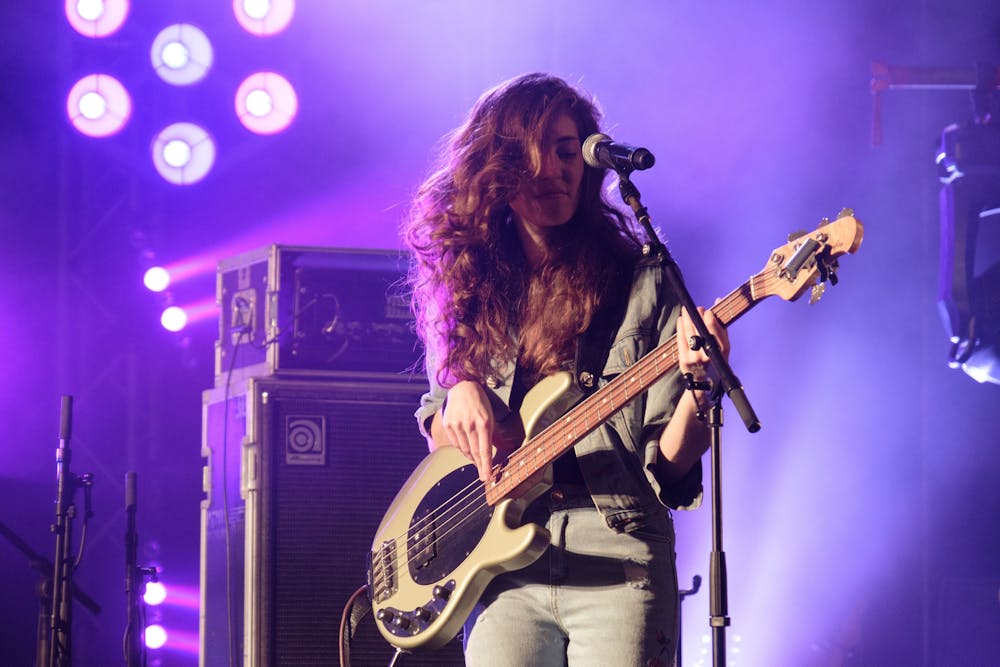 Gigs can be an important part of artistic freedom – but they can also be exploitative.
Anton Mislawsky/Unsplash
Gigs can be an important part of artistic freedom – but they can also be exploitative.
Anton Mislawsky/Unsplash
We need to start taking more adventurous approaches to understanding what work is, what skills are prized and how those skills are developed.
If we don’t, innovation and productivity will continue to suffer, and the most creative employees will continue to frustrate employers by engaging in classic workplace activism such as the work-to-rule or go-slow protests glamorised today as “quiet quitting”.
Worse, we won’t have any means for unlocking unexpected solutions to the unexpected problems we continue to face.
Ours is an era of compound crises – climate change, fires and floods, housing affordability, cost of living, the rapid spread of disease – and we’re not going to get through these by doing what we’ve always done before.
The best way to secure the jobs and skills of the future is to understand how artists train, and invest in the most creative approaches to education and professional development across our working lifetimes.
This means an approach to education that exercises the hands and the body as well as the mind: making, testing, crafting, performing and experimenting.
Arts education balances theory and practice, invites students to be inventive and rewards risk-taking. It trains an artist’s entire body to think differently and prepare for any scenario. And in doing so, it promotes wellbeing, self-esteem and resilience.
A creative future
Arts Minister Tony Burke – also Minister for Employment and Workplace Relations – held two industry roundtables on Monday to hear from arts leaders who could not attend the jobs summit.
Now, the summit must consider how creative skills can be taught extensively and affordably in Australia – well beyond art, design and humanities programs.
Employers must be trained to recognise and value creative skills, and understand how best to deploy them.
And we need to ensure the working conditions of the future are fair and supportive for everyone.
Only the most creative approaches will secure that future.
Authors: Esther Anatolitis, Honorary Associate Professor, School of Art, RMIT University

















