

Backcountry visitors are leaving poo piles in the Australian Alps – and it's a problem
- Written by Pascal Scherrer, Senior Lecturer, School of Business and Tourism, Southern Cross University
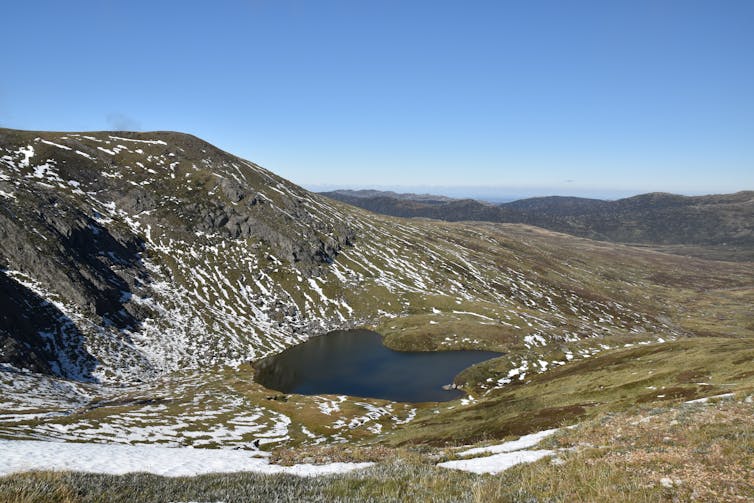
Spring has arrived in Australia’s Snowy Mountains. The snow is starting to melt. Wildflowers are emerging in a variety of colours: blues, yellows, whites … hang on. Those aren’t white flowers. They’re scrunched up bits of toilet paper left behind by skiers, boarders and snow-shoers.
When you think of backcountry snow adventures, you think of pristine wilderness. But unfortunately, there’s a problem: what to do with your poo. Many backcountry adventurers just squat, drop and don’t stop. The result, as we saw ourselves on an overnight ski trip, is a surprisingly large amount of poo and toilet paper. It’s become a bigger problem in recent years, as backcountry trips have boomed in places like the Main Range section of the Snowy Mountains.
Our new research explores this issue to find out how to better protect these wild areas. We surveyed backcountry visitors to Kosciuszko National Park in New South Wales and found a minority of visitors were carrying out their waste from overnight trips, as recommended. To combat the alpine poo scourge, we recommend building more toilets in strategic locations, making their location readily known, and giving out poo transport bags at entry points and gear shops.
If you’re sceptical, take heart – it wasn’t so long ago many people believed dog owners would never agree to scoop up their pet’s poo and bin it. But for the most part, they did.
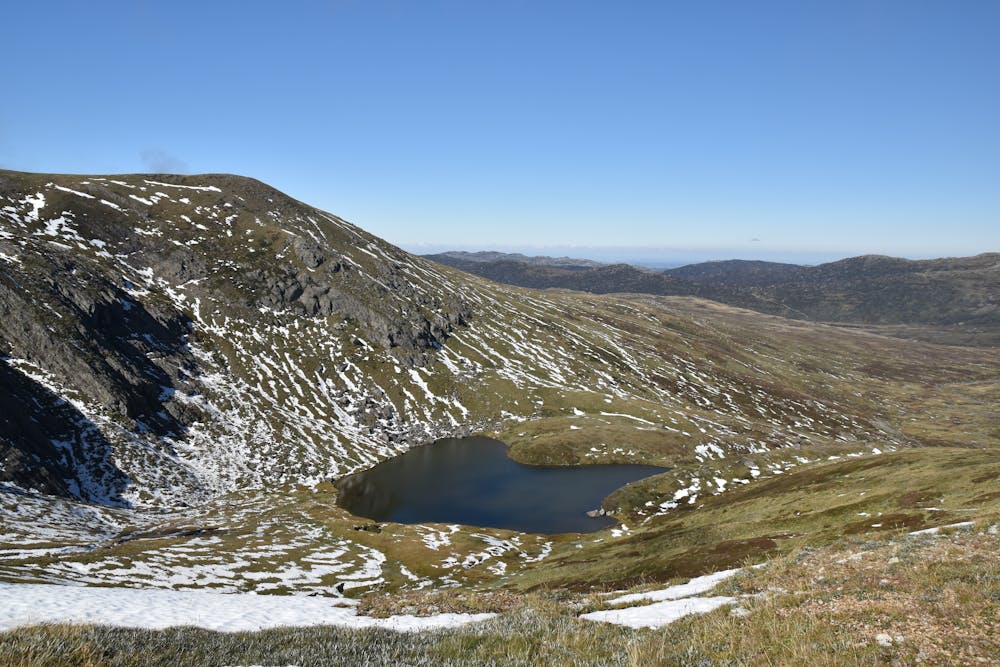
So what are you meant to do with snow poo?
You might wonder why this matters. After all, aren’t our snow-covered mountains full of possums, wombats and wallabies, all of which poo? And can’t you bury your poo, like you can in other parts of Australia? The problem here is the snow. Human poo deposited in winter won’t decompose until spring. In popular areas, poo and toilet paper can pile up, which is an unpleasant visual for other visitors. And as the snow melts, it can carry poo into creeks, depositing cold-resistant viruses, bacteria like E. coli, and parasites such as giardia. If another skier eats contaminated snow or drinks the stream water, they can be infected.
That’s why backcountry visitors to Kosciuszko National Park are urged to carry out their poo in biodegradable bags or a home made poo tube (basically a sealable plastic pipe).
This, our survey of 258 visitors found, is not hugely popular. Only a third of highly experienced skiers on multi-day trips carry their poo out, while only a fifth of less experienced visitors did the same.
The options our multi-day skiers preferred were using a toilet at a hut, if available, or burying poo in the snow. This is not ideal – if you can’t carry it out, it’s preferable to bury it in exposed soil (ideally, at least 50 metres away from any water courses). Some visitors reported covering their waste with rocks.
Day visitors largely used toilets at the entry and exit points or at a resort, though around 10% reported burying their poo in the snow or using toilets at huts.
This means overall compliance with the carry-it-out policy is low.
But as one longtime backcountry visitor points out, it’s not actually hard – or disgusting – to carry it out:
It was easy. It was the most satisfying experience I have had, knowing that I had left no trace for the entire journey; the view, the ground, the creeks, the plants had been left unspoilt. No-one would have ever known I had been there. Carrying and taking it out went without mishap and finally disposing of my waste was not a problem.
Read more: We need our Alps, so why aren't we looking after them?
What can be done?
People prefer toilets as a tried and true method of removing poo. Installing new toilets is the most effective way to prevent open defecation. The problem is where to put them. Installing toilets in remote areas is a delicate matter, as many visitors may see them as taking away from the natural experience which is the major drawcard for backcountry visitors. It’s also expensive to maintain toilets in the snow, as they require helicopters or trucks to pump out the waste.
Other options include digging pit latrines, disposing of it into crevasses, burying in soil, snow or rocks, leaving it on the ground, burning it, or carrying it out in poo tubes or biodegradable bags. You can see why park authorities prefer carrying it out.
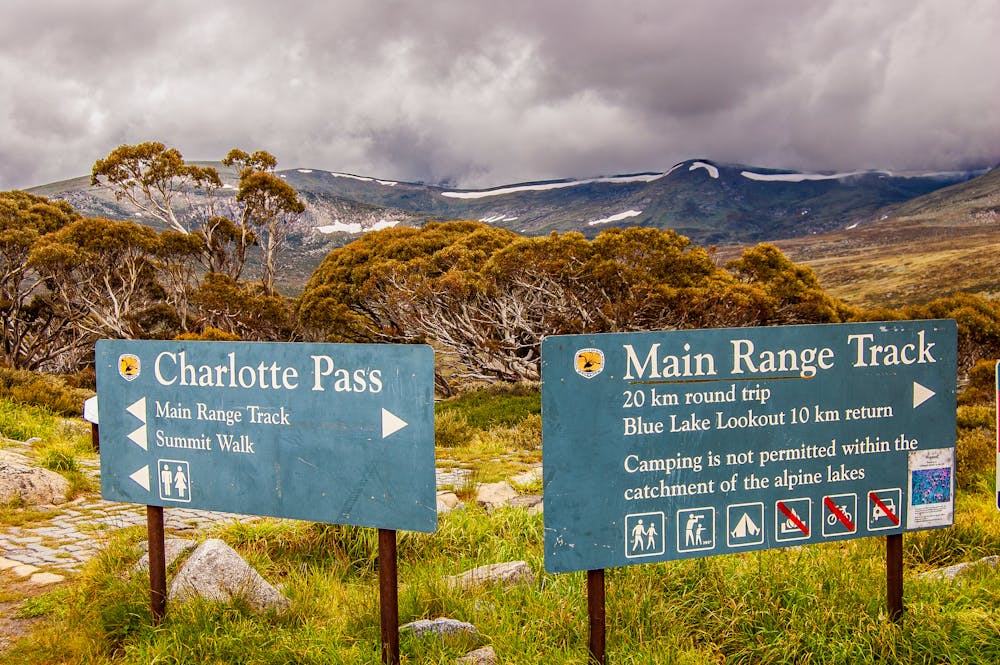 Toilets are the gold standard - but they’re hard to come by in remote areas of Kosciuszko National Park.
Shutterstock
Toilets are the gold standard - but they’re hard to come by in remote areas of Kosciuszko National Park.
Shutterstock
So how can we make it more inviting for visitors to pack their poo? Clearly, the present messaging isn’t fully effective. It’s time for a new approach, especially given the numbers of people heading to the backcountry is growing.
We recommend a two-pronged approach: better communication and targeted infrastructure at entry points.
Friends, websites and outdoor recreation clubs are important sources of information about how to undertake a backcountry trip. To harness these sources, parks authorities could work with the wider backcountry community on the issue, with simple, targeted messages.
By itself, messaging won’t be enough. That’s why we need more and improved toilets – and bins – at key locations, to make it as easy as possible for visitors to do the right thing with their poo.
Authorities should also make these locations clearly known on visitor maps and online, as well as making biodegradable bags or poo tubes available at entry points, information centres and gear shops.
If we get this right, backcountry skiers will once again be able to enjoy the wildflowers. Let’s aim for spring has sprung – not spring has dung.
Read more: 'It is not easy': how science and courage saved the stunning Australian Alps
Authors: Pascal Scherrer, Senior Lecturer, School of Business and Tourism, Southern Cross University

















