

These 12 things can reduce your dementia risk – but many Australians don't know them all
- Written by Joyce Siette, Research Theme Fellow, Western Sydney University
Dementia is a leading cause of death in Australia.
Although dementia mainly affects older people, it is an avoidable part of ageing. In fact, we all have the power to reduce our risk of developing dementia, no matter your age.
Research shows your risk of developing dementia could be reduced by up to 40% (and even higher if you live in a low or middle-income country) by addressing lifestyle factors such as healthy diet, exercise and alcohol consumption.
But the first step to reducing population-wide dementia risk is to understand how well people understand the risk factors and the barriers they may face to making lifestyle changes.
Our new paper, published this week in the Journal of Ageing and Longevity, found most older people are aware that dementia is a modifiable condition and that they have the power to change their dementia risk.
We also found the key barrier to making brain healthy lifestyle choices was a lack of knowledge, which suggests a public awareness campaign is urgently needed.
Read more: What do aged care residents do all day? We tracked their time use to find out
What we did
We began by reviewing the published research to identify 12 factors shown to reduce dementia risk. We surveyed 834 older Australians about their awareness of the 12 factors, which were:
- having a mentally active lifestyle
- doing physical activity
- having a healthy diet
- having strong mental health
- not smoking
- not consuming alcohol
- controlling high blood pressure
- maintaining a healthy weight
- managing high cholesterol
- preventing heart disease
- not having kidney disease
- not having diabetes
The Lancet subsequently published its own list of factors that help reduce dementia risk, which covered much the same territory (but included a few others, such as reducing air pollution, treating hearing impairment and being socially engaged).
Of course, there is no way to cut your dementia risk to zero. Some people do all the “right” things and still get dementia. But there is good evidence managing lifestyle factors help make it less likely you will get dementia over your lifetime.
 Few of the survey respondents able to identify the less well-known risk factors.
Image by Gerd Altmann from Pixabay, CC BY
Few of the survey respondents able to identify the less well-known risk factors.
Image by Gerd Altmann from Pixabay, CC BY
Our study shows many older Australians are quite aware, with over 75% able to correctly identify more than four of the factors in our list of 12.
However, few were able to name the less well-known risk factors, such as preventing heart disease and health conditions like kidney disease.
The good news is that close to half of the sample correctly identified more than six of the 12 protective factors, with mentally active lifestyle, physical activity and healthy diet in the top three spots.
Two key issues
Two things stood out as strongly linked with the ability to identify factors influencing dementia risk.
Education was key. People who received more than 12 years of formal schooling were more likely to agree that dementia was a modifiable condition. We are first exposed to health management in our school years and thus more likely to form healthier habits.
Age was the other key factor. Younger respondents (less than 75 years old) were able to accurately identify more protective factors compared to older respondents. This is why health promotion initiatives and public education efforts about dementia are vital (such as Dementia Awareness Month and Memory, Walk and Jog initiatives).
How can these findings be used in practice?
Our findings suggest we need to target education across the different age groups, from children to older Australians.
This could involve a whole system approach, from programs targeted at families, to educational sessions for school-aged children, to involving GPs in awareness promotion.
We also need to tackle barriers that hinder dementia risk reduction. This means doing activities that motivate you, finding programs that suit your needs and schedule, and are accessible.
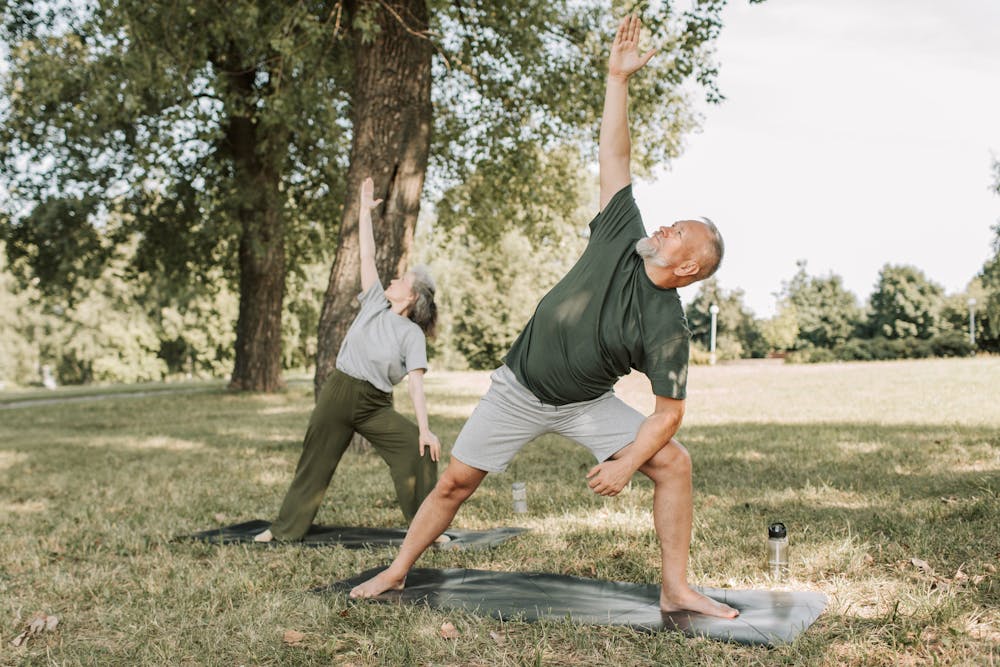 Find activities that motivate you, suit your needs and schedule, and are accessible.
Photo by Vlada Karpovich/Pexels, CC BY
Find activities that motivate you, suit your needs and schedule, and are accessible.
Photo by Vlada Karpovich/Pexels, CC BY
Read more: Dogs can get dementia – but lots of walks may lower the risk
What does this mean for you?
Reducing your dementia risk means recognising change starts with you.
We are all familiar with the everyday challenges that stop us from starting an exercise program or sticking to a meal plan.
There are simple and easy changes we can begin with. Our team has developed a program that can help. We are offering limited free brain health boxes, which include information resources and physical items such as a pedometer. These boxes aim to help rural Australians aged 55 years and over to adopt lifestyle changes that support healthy brain ageing. If you’re interested in signing up, visit our website.
Now is the time to think about your brain health. Let’s start now.
Authors: Joyce Siette, Research Theme Fellow, Western Sydney University

















