

We've been collecting souvenirs for thousands of years. They are valuable cultural artefacts – but what does their future hold?
- Written by Amy Clarke, Senior Lecturer in History specialising in architectural heritage and material culture, University of the Sunshine Coast
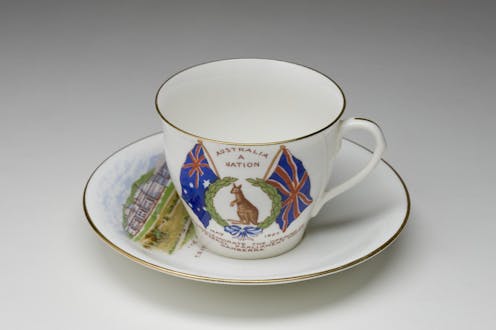
Souvenirs are an almost unavoidable feature of holidays. Tourist thoroughfares are lined with shops and stalls selling postcards, clothing and knick-knacks of all kinds.
Shopping while on vacation – including for souvenirs – is a multi-million dollar pastime. Tourists spend around one-third of their travel budget on retail purchases.
Souvenirs use recognisable images to remind us of the location they represent. The particular images promoted can also reveal a great deal about the cultures that produce and sell them, as well as the tourists who buy them.
But questions have begun to be raised about the viability of souvenirs. They are often made from cheap, unsustainable materials. It can be difficult to find items made by locals. And, perhaps most acutely, younger generations of travellers seem to be replacing physical souvenirs with digital ones shared on social media.
A long history
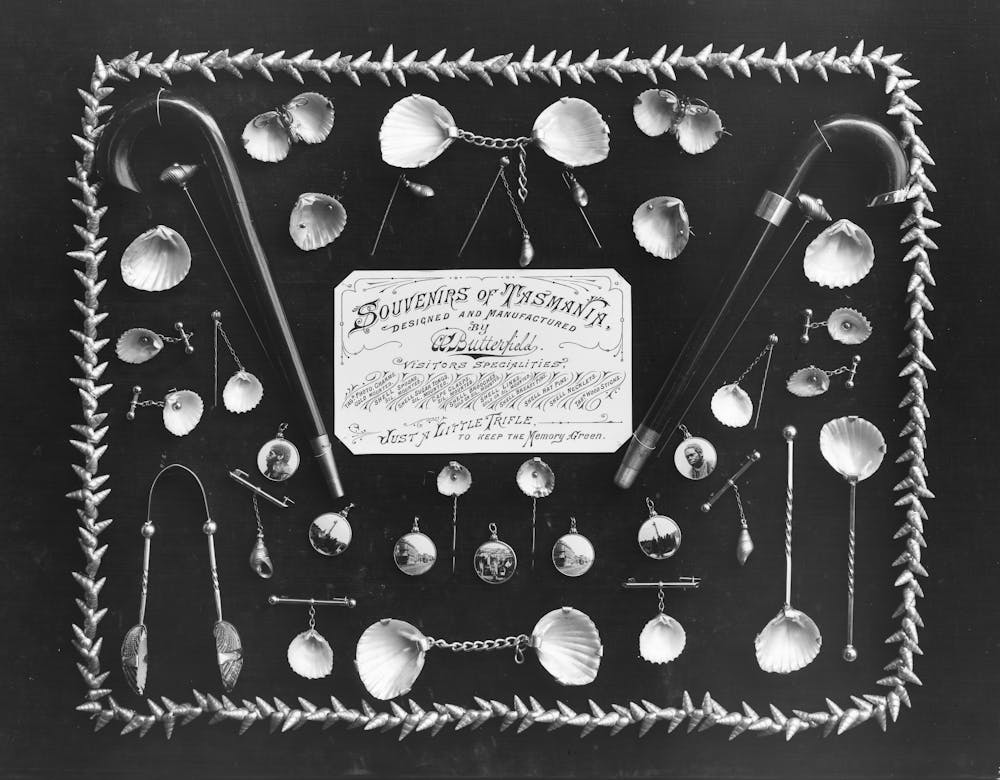
When we think of souvenirs we think of teaspoons, keychains, t-shirts and hats, but these are only the most recent types of items brought home by travellers.
The word “souvenir” is French in origin, and loosely translates as “recollection” or “memory”. It entered English around the end of the 18th century, and for the past few centuries the word has been used to refer to objects that remind us of a certain place or time.
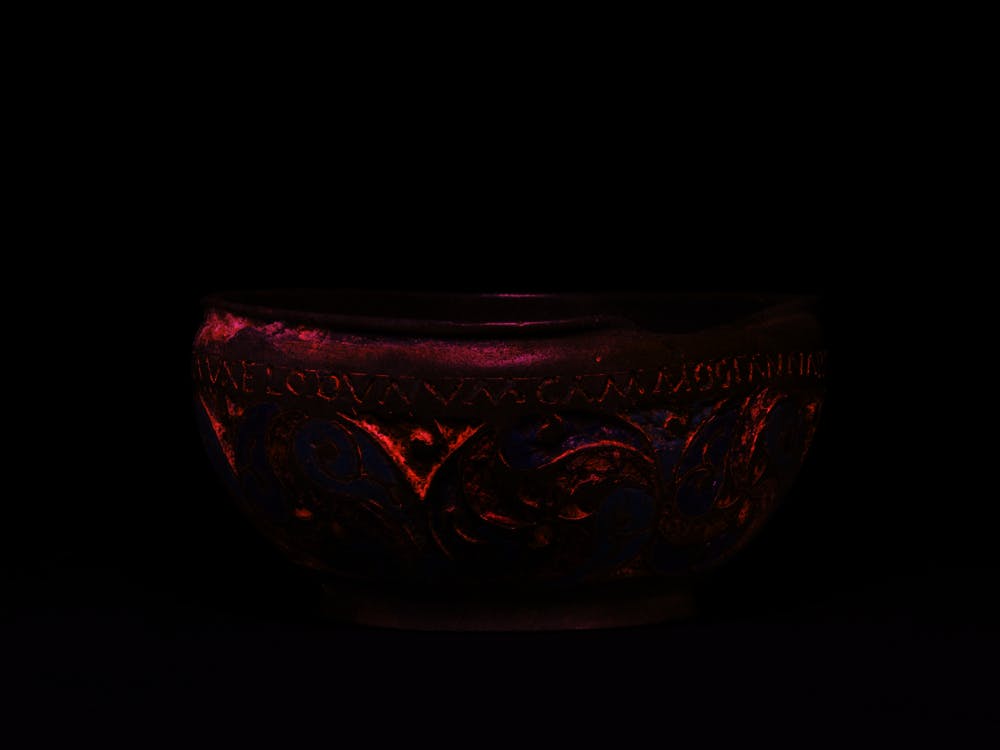 The Staffordshire Moorlands Pan, c 2nd century, was a souvenir for the Roman site of Hadrian’s Wall.
© The Trustees of the British Museum, CC BY-NC-SA
The Staffordshire Moorlands Pan, c 2nd century, was a souvenir for the Roman site of Hadrian’s Wall.
© The Trustees of the British Museum, CC BY-NC-SA
But people have been collecting items far longer than this. The ancient Egyptians, Greeks and Romans brought home rare artefacts and products from their expeditions in foreign lands.
Following the crucifixion of Jesus, it was common for pilgrims to collect dirt and pebbles from Holy Land sites, believing these physical remnants held miracle-giving powers.
By the medieval period, Christian pilgrimages throughout Europe and the Middle East sparked an early souvenir industry. Pilgrims could purchase small bottles filled with sacred water or oil, or metal badges commonly decorated with the images of local saints.
As recently as the 18th century, well-known tourist attractions were falling victim to souvenir-seeking. Visitors would chip away pieces of important buildings and objects, hoping to capture a little bit of the “magic” for themselves.
While visiting Stratford-upon-Avon in 1786, American presidents John Adams and Thomas Jefferson allegedly carved off pieces of a wooden chair believed to have belonged to William Shakespeare.
Industrialisation and the rapid development of mass manufacturing drastically altered the souvenir industry. By the late 19th century, tourists were able to purchase teaspoons, plates, postcards and even snow globes commemorating locations and historic events.
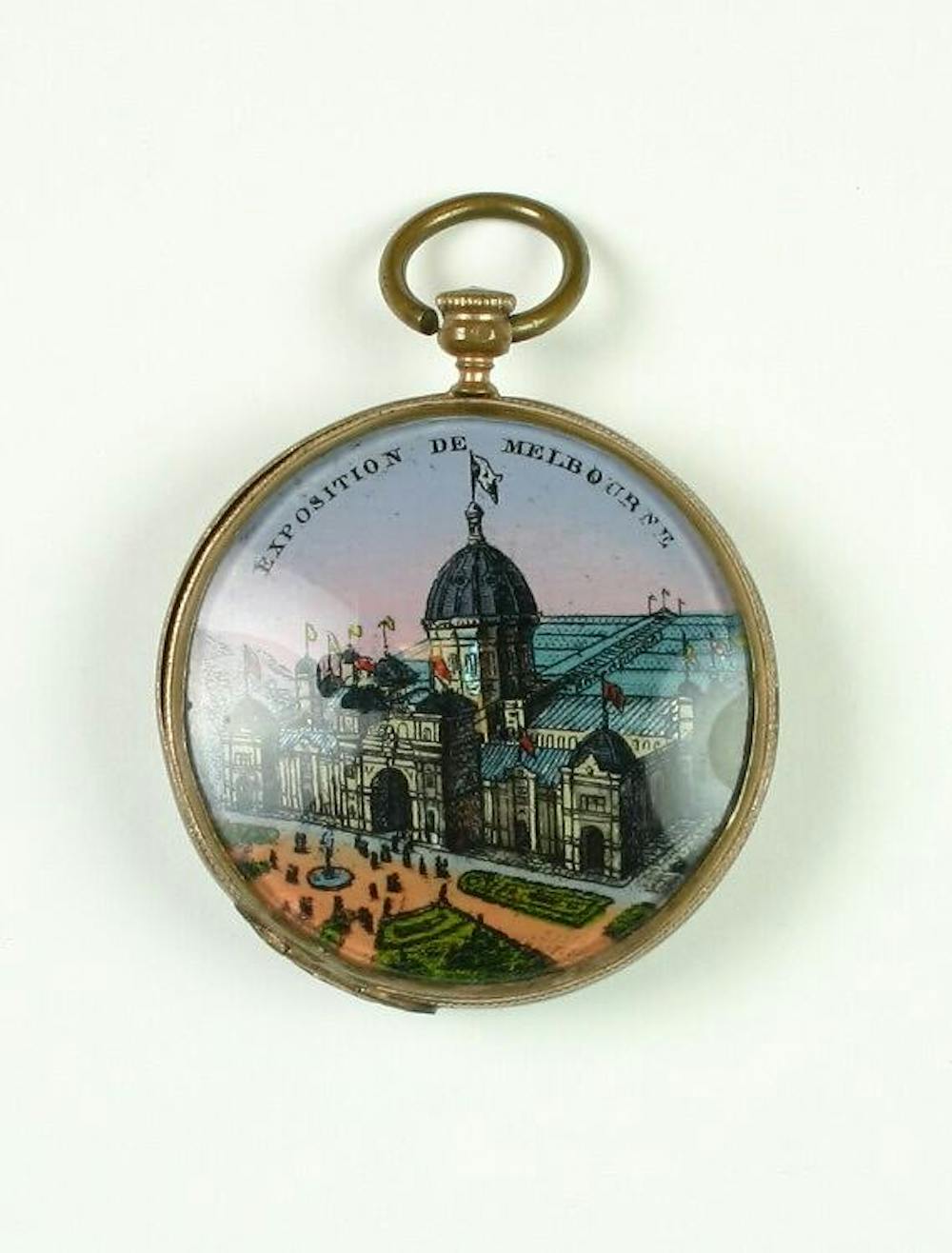 A souvenir pocket watch from the Melbourne International Exhibition, 1880.
Copyright Museums Victoria, CC BY
A souvenir pocket watch from the Melbourne International Exhibition, 1880.
Copyright Museums Victoria, CC BY
Travel for leisure remained a luxury until after the second world war. In the second half of the 20th century, long-haul flights and increasing car ownership made tourism a pastime of the masses.
With this change came a hunger for cheap, easily portable objects that could be gifted to family and friends back home, or placed on mantelpieces and sideboards as reminders of journeys taken and spectacles witnessed.
Read more: From caravans to markets, the hajj pilgrimage has always included a commercial component
Uncertain futures
Despite being a common aspect of travelling for more than two millennia, souvenirs are facing an uncertain future in the 21st century.
As awareness grows of the potential environmental harm caused by cheap, mass-produced and non-biodegradable items, travellers are starting to turn towards more sustainable options.
Following numerous reports of damage to reefs, beaches and other natural environments, many governments have begun imposing harsh penalties on tourists caught in possession of coral, shells and botanical samples taken as souvenirs.
Increased attention is also being paid to the authenticity of handcrafted items. A recent study found two-thirds of “Aboriginal” souvenirs are not made by Aboriginal and Torres Strait Islander people. This means First Nations Australians are not gaining the full benefit of tourist interest in such objects.
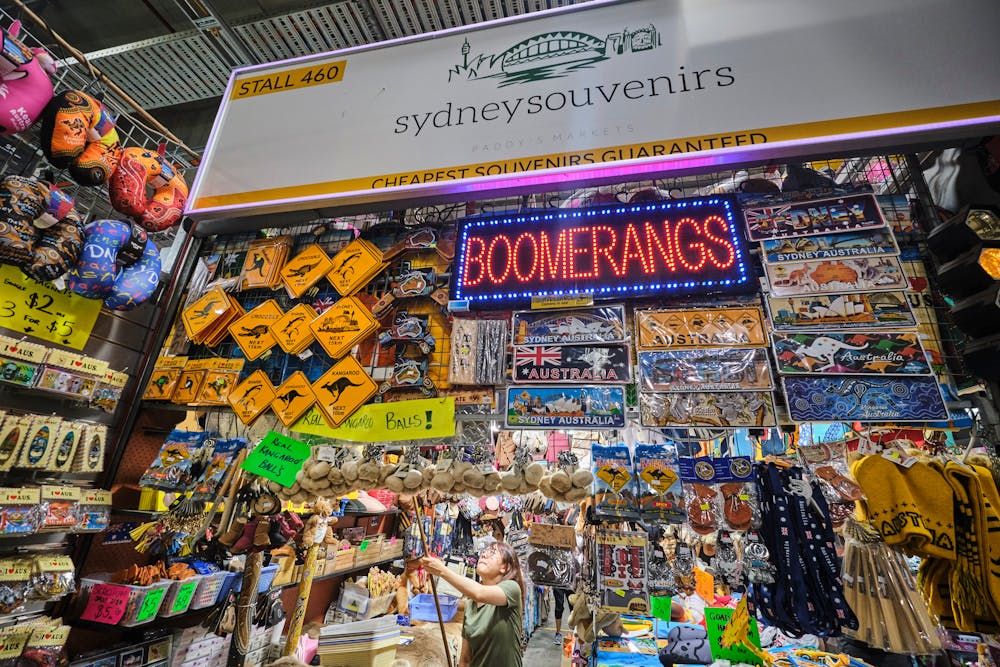 Two-thirds of ‘Aboriginal’ souvenirs aren’t made by First Nations people.
Shutterstock
Two-thirds of ‘Aboriginal’ souvenirs aren’t made by First Nations people.
Shutterstock
Then there is perhaps the greatest challenge to the future of souvenirs: social media.
Before the digital era, people purchased souvenirs to remind themselves of where they had been and what they had seen, and to serve as evidence of these travels to those who stayed home.
These desires can now be satisfied instantly with a post to Instagram or TikTok, and perhaps more effectively, too. More people are likely to see your posts about holidaying in Greece than will have the opportunity to examine the miniature model of the Acropolis gathering dust on your bookshelf.
While posts, reels, stories and videos shared online may replace the purchasing of physical souvenirs for many people, it seems unlikely knick-knacks and mementos will disappear altogether.
 Souvenir mugs to commemorate the Queen’s death on display in London on September 12.
AP Photo/Kin Cheung
Souvenir mugs to commemorate the Queen’s death on display in London on September 12.
AP Photo/Kin Cheung
The roaring trade in souvenirs commemorating Queen Elizabeth II shows people still feel the need to mark momentous occasions by purchasing t-shirts, mugs, postcards and other memorabilia.
While such items may have a practical use in the kitchen or as everyday clothing, there are many who value these objects as modern day relics, and who treat them as priceless artefacts to be seen but not touched.
Read more: Royal family: why even a Charles and Diana divorce mug is important for the monarchy
Authors: Amy Clarke, Senior Lecturer in History specialising in architectural heritage and material culture, University of the Sunshine Coast

















