

Climate change hits some of us much harder than others – but affected groups are fighting back
- Written by Naomi Joy Godden, VIce-Chancellor's Research Fellow, Centre for People, Place and Planet, Edith Cowan University
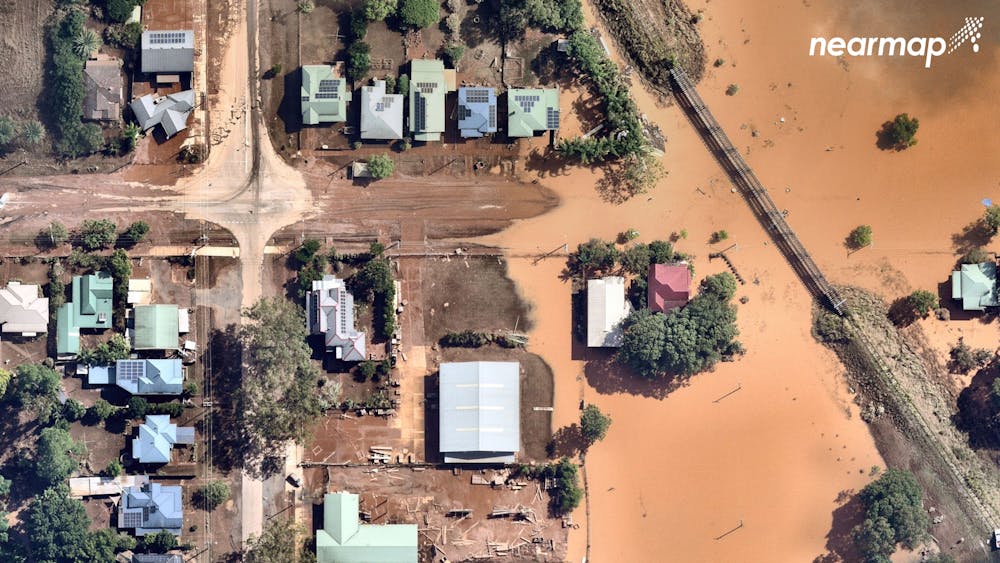
All around us, climate change is worsening existing disadvantage. In Australia, we need only look to low-income households hit harder by rising energy and fuel prices, and flood responses in northern New South Wales overlooking the needs of people with disability.
These are examples of “climate injustice”. In our research on climate change and social justice in Australia, we have found again and again that people already experiencing marginalisation are most vulnerable to the impacts of climate change.
But importantly, these are often the groups leading social movements to demand that equity and fairness for current and future generations are at the heart of climate action.
Sadly, climate justice is still not central to current climate deliberations, as shown in Labor’s recent refusal to rule out new coal and gas projects – despite the huge impact on emissions. These complex injustices will require transformative policy responses to ensure no one is left behind.
Climate change makes existing inequalities worse
Over the past decade, we have conducted feminist and participatory research projects about climate justice, in partnership with grassroots communities.
We have found climate change acts to reinforce existing systems of oppression and inequality. People who already experience marginalisation and disadvantage in our community are worse placed to weather climate extremes. If you are living in low quality housing and struggling to pay the bills, you will not have spare cash to cool your home during a heatwave.
Many other researchers have come to similar conclusions. We know climate change is already forcing some Aboriginal and Torres Strait Islander peoples to leave their traditional homelands.
We also know violence can increase against women and children during and after extreme weather events – as it did after the enormous 2009 Black Saturday fires.
There has been discrimination against LGBTQIA+ peoples in disaster recovery. And low income earners face increased costs of living to cope with unbearable heat or cold.
When we think about climate action, we tend to think of solar panels, electrified transport and wind turbines. That’s because climate policies focus on technology-based answers.
For instance, in Western Australia’s 2020 climate policy, “hydrogen” is mentioned 58 times while the word “people” is only used once. This focus on “techno-fixes” promotes climate solutions while overlooking entrenched systems of disadvantage and injustice.
Living on Country is becoming harder
Australia’s remote Indigenous communities already face real challenges in living on Country as global heating intensifies.
As Wardaman woman and Central Land Council policy director Josie Douglas told The Guardian,
without action to stop climate change, people will be forced to leave their country and leave behind much of what makes them Aboriginal.
The way the Aboriginal Health Council of WA describes climate change is telling: it is “a disease that […] affects and impacts on every living thing”.
As climate change affects Country, impacts on Aboriginal and Torres Strait Islander peoples include personal grief and loss, water and food insecurity, and destruction of sacred places and wild food networks.
Issues such as poor-quality housing make it increasingly difficult for First Nations peoples to live on Country. Cheaply built cement houses become sweltering hotboxes.
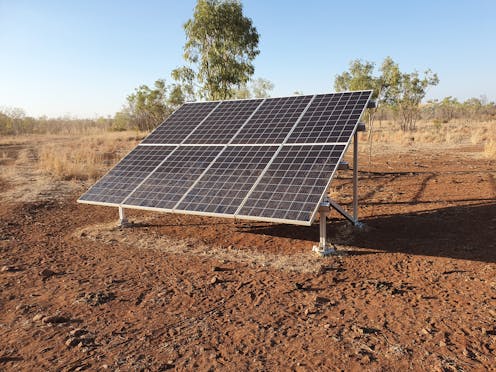
Importantly, this is a story of strength and resilience. Many First Nations peoples are highly active in responding to the threat, campaigning for climate justice through better protection of Country. First Nations peoples are also developing community-owned renewable energy so they can live and work on Country with greater energy independence.
And a group of Torres Strait Islanders took their human rights complaint against the federal government to the United Nations over the government’s inaction on climate change. They won.
Read more: Disaster survivors feel more prepared for the next one but are often left out of planning
 Heatwaves and increases in extreme weather are already threatening living on Country in towns like Cape York’s Aurukun.
Jono Searle/AAP
Heatwaves and increases in extreme weather are already threatening living on Country in towns like Cape York’s Aurukun.
Jono Searle/AAP
Climate change can kill
Over the Black Summer of 2019–20, forests up and down the east coast burned much more land than usual. The dense smoke from these fires led to the death of an estimated 445 people, the bushfire royal commission heard.
This is the starkest example of how climate change can worsen health. But it can also operate in insidious ways.
Two years ago, Western Australia released the findings of the world’s first public inquiry on how climate change affects health. It found children and youth, farming communities, people with disabilities, low income earners and older people at particular risk.
Climate change also worsens gender inequality and social justice issues such as poverty, homelessness, and unemployment. For instance, as climate change upends traditional farming and fishing livelihoods, some women are forced to shoulder more unpaid labour caring for family and community health and wellbeing.
Australia’s overstretched (and highly feminised) social services workforce is now increasingly having to respond to the fallout from climate change.
Young people told us of their growing grief and distress. As one teenage respondent said,
climate change can be sad and overwhelming for young people, particularly due to our powerlessness to fix the issue.
Read more: 'Die of cold or die of stress?': Social housing is frequently colder than global health guidelines
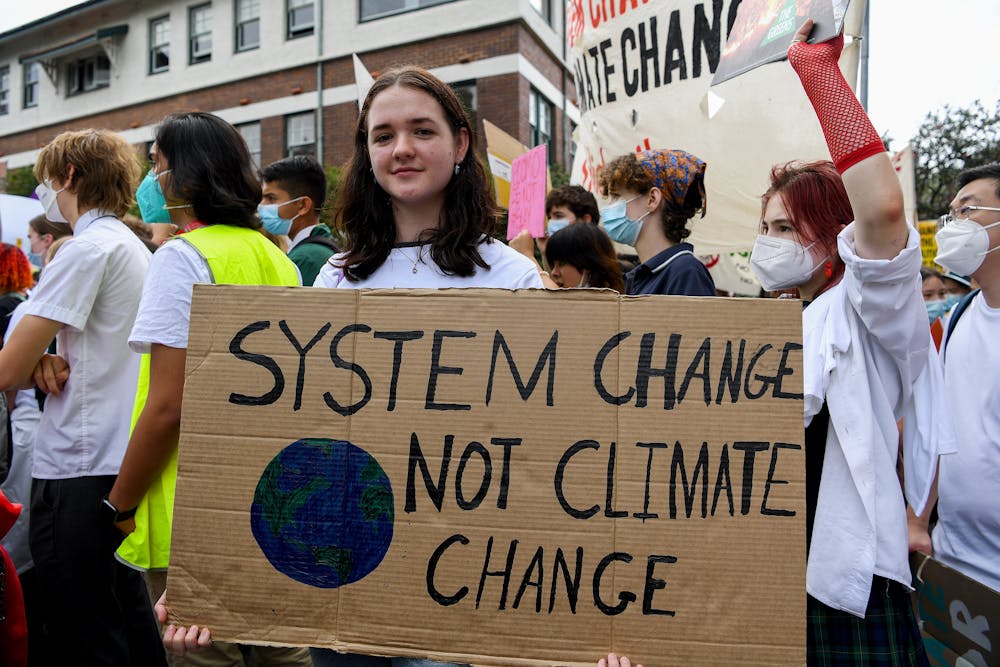 School strike protests like this one from Sydney in March are one way to tackle a sense of powerlessness.
Bianca De Marchi/AAP
School strike protests like this one from Sydney in March are one way to tackle a sense of powerlessness.
Bianca De Marchi/AAP
Action can help on many fronts
Communities are adapting, building resilience, and working to stem climate change. They demand just climate solutions upholding the rights of people and the planet and address the structural drivers of disadvantage, like colonialism.
The worldwide school strike movement has galvanised a generation, confronted world leaders and shifted the views of powerful institutions. Climate activism is also a proven way of countering a sense of powerlessness and eco-anxiety.
From farmers and bushfire survivors to sportspeople and parents, Australians with lived experience of climate change are turning to collective action to demand a safer world.
Their approach adds to the overwhelming evidence that social justice and equity need to be at the heart of climate action.
Read more: How climate change is turning remote Indigenous houses into dangerous hot boxes
Authors: Naomi Joy Godden, VIce-Chancellor's Research Fellow, Centre for People, Place and Planet, Edith Cowan University

















