

It’s after-hours and I need to see a doctor. What are my options?
- Written by Mahima Kalla, Digital Health Transformation Research Fellow, The University of Melbourne
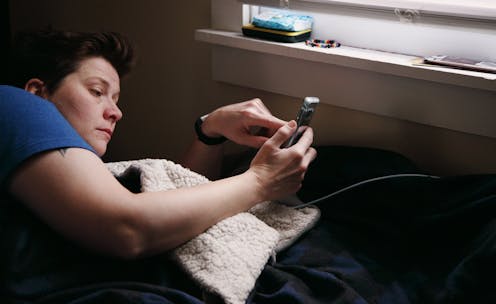
There are times when medical care can’t wait until 9am or first thing Monday. Perhaps your COVID has worsened and you’re becoming short of breath. Or your baby has a fever that’s worrying you. Or your elderly parent’s pain can’t be relieved with over-the-counter medications.
When last asked in 2020, two-thirds of Australians had accessed after-hours health services in the previous five years. But how do you access health care on weekends and after 5pm in 2022?
Many GP Super Clinics continue to operate beyond business hours, accept walk-ins and provide access to onsite pharmacy services. You can find their locations here, though opening hours and costs vary between clinics.
Search engines such as HotDoc and Healthdirect can help you find local health services such as GPs, COVID testing clinics, emergency departments, and allied health services. You can filter search results by “open now”, bulk-billing and accessibility requirements such as building access ramps.
Read more: Emergency departments are clogged and patients are waiting for hours or giving up. What's going on?
The COVID pandemic accelerated investment in virtual care for non-life-threatening emergencies, which can be less stressful for patients and families than attending an emergency department.
Here are some options for in-person and virtual after-hours care.
Nurse helplines
If you’re not sure whether you need medical care, or if you need basic information or advice, a useful starting point is to call a free nursing helpline such as Nurse-on-Call in Victoria, 13HEALTH in Queensland, or Healthdirect in other states.
In some cases, nurses may offer a call-back from a GP using phone or video consultation.
Getting a doctor to visit you at home
The National Home Doctor service, which can be booked using telephone (13 74 25) or its mobile app, provides bulk-billed doctor home visits.
Telehealth consultations can also be booked through this service, though they may incur a fee.
Video consultation with a GP
A range of companies offer GP telehealth consultation after hours, for a fee. It doesn’t have to be an emergency, and can be used for things like last-minute repeat prescriptions.
Search engines HotDoc and Healthdirect can direct you to these services through the “accepts telehealth” or “telehealth capable” options.
Virtual emergency departments
Virtual emergency departments in Victoria, Queensland and Western Australia allow people in these states to virtually connect with emergency doctors and nurse practitioners for treatment and advice on non-life-threatening emergencies.
In Victoria, the establishment of the virtual ED program has decreased wait times, with an easy-to-use platform, triage and waiting room. After the consultation, instructions can be emailed, or e-scripts sent to your local pharmacy. This service is currently covered by Medicare with no out-of-pocket costs, though that may change in the future.
Read more: Video and phone consultations only scratch the surface of what telehealth has to offer
My Emergency Doctor is a private service with a hotline and web-based consultations with expert emergency doctors, for patients across Australia. Typically consultations cost A$250-$280, however people living in certain Primary Health Networks can receive free after-hours telehealth consultations through this platform.
Children’s health services
In South Australia, free paediatric emergency services are available through the Women’s and Children’s Hospital’s Child and Adolescent Virtual Urgent Care Service, though similar services aren’t available across the country.
However, on-demand services such as KidsDocOnCall and Cub Care provide telehealth paediatric services after-hours to people in all states and territories, for a fee.
Pharmacies
If you need to see a pharmacist or buy medicine after-hours, the Pharmacy Guild of Australia and National Home Nurse pharmacy finders might be helpful.
In Victoria, Supercare Pharmacies are also open 24/7, with nurses available from 6pm to 10pm.
Under the Pharmaceutical Benefits Scheme Continued Dispensing Arrangements, approved pharmacists may supply eligible medicines to a person in time of immediate need, when the prescribing doctor can not be contacted, once in a 12-month period.
Medical chests in remote areas
The Royal Flying Doctor service runs a Medical Chest program, to provide emergency and non-emergency, pharmaceutical and non-pharmaceutical treatments for people in remote areas, such as antibiotics, pain relief and first-aid.
Medical chests are provided for communities which are located more than 80 kilometres from professional medical services and maintained by a designated local medical chest custodian.
Read more: Our study found after-hours GPs actually do reduce visits to emergency rooms
Mental health support
Some mental health supports are available after-hours. Free options include:
You can also access paid psychologist services via platforms such as Virtual Psychologist and MyMirror.
Indigenous health and wellbeing
Yarning SafeNStrong is a free, confidential, culturally suitable counselling service for Aboriginal and Torres Strait Islander people. This service offers support with social and emotional wellbeing, financial wellbeing, medical support including COVID testing, drug and alcohol counselling and rehabilitation services.
Other Indigenous health services include 13YARN, Support Act, and Brother to Brother.
For people with communication needs
Access to after-hours care is often dependent on people’s ability to communicate over a phone.
The National Relay Service can assist hearing- or speech-impaired people with changing voice to text or English to AUSLAN.
Non-English speaking people can access interpreter assistance for telehealth via the National Translating and Interpreting Service. This service is typically free of charge, covers 150 languages, and can be accessed after-hours.
Life-threatening emergencies
Of course, none of the options above should replace the Triple Zero (000) service for life-threatening emergencies such as difficulty breathing, unconsciousness and severe bleeding.
Read more: Looking online for info on your child's health? Here are some tips
This handy infographic shows some of your options for after-hours care. Click on the hand icon on top right to activate interactive elements. Then press the + button to learn more:
We would like to acknowledge the following people for their input to this article: Dr Loren Sher (Director of Victorian Virtual ED at the Northern Hospital), A/Prof Michael Ben-Meir (Director of Emergency Department, Austin Health), Ms Karen Bryant (Senior Aboriginal Liaison Officer, Northern Health) and Dr Kim Hansen (Director of Emergency, St Andrew’s War Memorial Hospital).
Authors: Mahima Kalla, Digital Health Transformation Research Fellow, The University of Melbourne
Read more https://theconversation.com/its-after-hours-and-i-need-to-see-a-doctor-what-are-my-options-190144

















