

Modern Australian
The Times

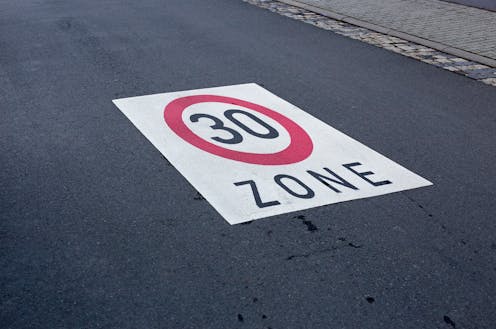
Lower speed limits don’t just save lives – they make NZ towns and cities better places to live

  • Written by Simon Kingham, Professor of Human Geography, University of Canterbury
Lower speed limits don’t just save lives – they make NZ towns and cities better places to live

It seems New Zealand is about to slow down, with proposals to reduce urban speed limits right across the country, as well as on state highways. And while there has been some resistance, the evidence suggests it’s the right move.

The changes are part of Waka Kotahi’s Road to Zero project, which tasked local councils with developing speed management plans to reduce transport-related deaths. Generally, those plans will set 30 kilometre per hour (km/h) limits around schools and 40km/h limits in many residential areas of Auckland, Wellington, Christchurch and Dunedin.

There’s no doubt speed is a major factor in the number of deaths and injuries on New Zealand roads. It causes more injuries than alcohol and drugs, and it’s estimated that 87% of current speed limits are incorrectly set.

But there’s a counter argument that speed limits should only be reduced in “high-risk areas”, with school environs being the most common example. Widespread speed limit reduction, the argument goes, will waste drivers’ time and damage the economy.

But this assumes the only way speed limits affect society is through crash-related deaths and injuries, and through time lost travelling. So it’s important we recognise the other significant benefits that come from slowing traffic down.

Death and injury

The risk of injury or death if you are hit by a vehicle is substantially lower at speeds below 50km/h. At 40km/h, for example, the risk of dying drops from around 90% to around 10%. For injuries, the greater reductions are seen at speeds of 20 or 30km/h.

Research in the UK found the introduction of 20 miles per hour (mp/h) zones resulted in a 42% reduction in road casualties, and the reduction was greatest in younger children. There was also no evidence of more people moving to drive on adjacent streets with higher speed limits.

Read more: Why giving the Commerce Commission the power to set 'fair' fuel prices is unfair on NZ’s climate targets

Recent research in Wales, a country with a population of 3.1 million that implemented a default urban speed limit of 20mp/h (30km/h), found the economic value of savings from lower accident rates to be in the region of NZ$180m in the first year alone. The total value is far greater if other benefits are included.

What statistics don’t show is the reality of the suffering road crash deaths and injuries cause. But survivors’ stories, such as those recorded by transportation consultant Jeanette Ward, also powerfully demonstrate how lower speeds can save lives.

Economics and emissions

But what of the argument that slowing drivers down and prolonging trips mean the economy will suffer? There are two answers to this.

The first is that evidence shows lower speed limits in urban areas add virtually no time to journeys. You can see why in this simple simulation that compares traffic with different speed limits.

The second is that people don’t always productively use the time saved by faster travel. In fact, research suggests people often choose to travel further, especially for their daily commute. Making journeys faster can also encourage people to travel more often. This is called induced demand and it adds to congestion.

Read more: Climate explained: does building and expanding motorways really reduce congestion and emissions?

Furthermore, there is a reasonably established relationship between the speed a vehicle travels and greenhouse gas emissions, with the lowest emissions being produced when a vehicle travels at around 55-80km/h.

However, this assumes a vehicle is moving smoothly, without stops and starts. Higher emissions are created when a vehicle has to repeatedly brake and accelerate. While individual driver behaviour can be a factor, the road environment and volume of traffic play a role too.

Research has actually found that in urban areas the optimum speed limit to minimise emissions for small petrol cars is 28.2km/h. For larger vehicles, diesels and SUVs, CO2 emissions are minimised with a maximum speed of 20km/h.

Read more: Climate explained: does your driving speed make any difference to your car's emissions?

Pollution, noise and health

Nitrogen dioxide from traffic is estimated to cause 2,000 deaths each year in New Zealand. Emissions are lowest with 20km/h speed limits.

The World Health Organization estimates traffic noise is the second-biggest environmental stressor on public health after air pollution. Lower speeds significantly reduce noise, with research finding that “in urban areas with speeds of between 30 and 60kp/h, reducing speeds by 10kp/h would cut noise levels by up to 40%”.

Lower speed limits have also been shown to reduce health inequalities. One of the UK’s most eminent experts, Oxford University’s Professor Danny Dorling, said a 20 mile per hour (30km/h) speed limit was “the most effective thing a local authority can do to reduce health inequalities”. This is particularly important, given rates of road injury and death in New Zealand disproportionately affect Māori, younger people and low-income communities. A range of other benefits from reducing speed limits are identified by Paul Tranter and Rod Tolley in their book Slow Cities. These include more physical activity from walking and cycling, time saved from not having to earn the money necessary to own and operate a car, and broader economic benefits for individuals and businesses. Overall, reduced speed limits in urban areas would not only reduce injuries and deaths, they would also make our towns and cities better places to live.

Authors: Simon Kingham, Professor of Human Geography, University of Canterbury

Read more https://theconversation.com/lower-speed-limits-dont-just-save-lives-they-make-nz-towns-and-cities-better-places-to-live-194448

What’s Trending in Men’s Jewellery This Father’s Day!

Finding a Father’s Day gift that feels personal, stylish and genuinely wearable is not always easy. While socks and novelty mugs have traditionall...

Road Signs: Understanding Their Role in Clear and Effective Signage

Effective signage and display hardware can help businesses communicate information, promote products and organise customer or visitor movement. Road...

Bottle Label Printing: Key Factors to Consider Before Your Next Packaging Run

Effective packaging begins with understanding the product, bottle material, artwork and production requirements when planning bottle label printing. H...

Planning a Long-Distance Move With Interstate Movers Melbourne

Moving between states involves more planning than a typical local relocation. Along with packing and transporting household belongings, you need to...

Understanding the Role of an I/O Controller in Industrial Automation

Modern industrial systems depend on accurate communication between sensors, machines and control systems. An I/O controller can help manage this commu...

How the Right Mining Hose Supports Demanding Operations

Mining environments place considerable demands on equipment used for material transfer, water management and processing. Hoses operating in these co...

Simple Ideas for Making Social Gatherings More Memorable

We have all been to those parties where everyone just stands around the kitchen island, staring at their phones, waiting for someone else to make a mo...

Outdoor Wall Lights: Improving Exterior Lighting Around Your Home

Lighting can influence how a room looks, feels and functions, so the right fitting should be selected according to both appearance and practical req...

Commercial Office Cleaning: Combining Routine Office Cleaning With Melbourne Service

Keeping a workplace clean requires a service that can accommodate everyday tasks as well as the particular needs of the business. Professional comme...

Caravan Sales in Queensland: How to Find the Right Caravan for Sale QLD

Caravan ownership is about more than having somewhere to sleep while travelling. For many Queenslanders, it is one of the best ways to explore regio...

What Sir Walter Buffalo Turf Actually Costs in 2026 (And Why Quotes Vary So Much)

Two quotes landed on a Hills District homeowner's kitchen table last spring for the exact same 80-square-metre backyard. One said $12 a metre. The o...

Nearly 1,300 NSW Hospital Beds Are Occupied By People Who Are Ready To Go Home

1,276 people in NSW hospitals have been medically cleared for discharge but remain in hospital because they're still waiting for NDIS or aged care sup...

National Survey Launched to Measure Operational Impacts of Federal NDIS Policy Reforms

The effects of recent NDIS reforms are beginning to move beyond policy papers and into day to day service delivery. A new national survey is asking ...

Beyond the Nappy Cake: Baby Shower Gifts That Get Used

What new Australian parents unwrap, keep, and quietly thank you for months later. Six weeks after my daughter was born, I did an audit of the baby sh...

Parent-Advocates Are Reshaping Frontline Disability Service Delivery

Parents have always been part of the disability sector. They advocate, coordinate services, challenge decisions and often become the person holding ev...

Vista Cruises Enters "Two-Flagship Era" as Vista Aurora Completes Inaugural Voyage

Vista Aurora Sets Sail along the Yangtze. (Photo courtesy of the company)YICHANG, China — August 5, 2026 — Vista Aurora, a high-end interprovinc...

A Digital Preparation Checklist For International Medical Conferences

An international medical conference compresses many responsibilities into a few days. A delegate may need to present research, move between venues, ...

The Growing Popularity of Lab Grown Diamonds in Sydney and Hong Kong

The diamond industry has changed significantly in recent years as more buyers seek ethical, affordable, and sustainable alternatives to mined diamon...
















