

Choosing a caesarean birth to 'protect' your pelvic floor? Here’s why that won’t necessarily work
- Written by Mischa Bongers, Sessional Lecturer, CQUniversity Australia
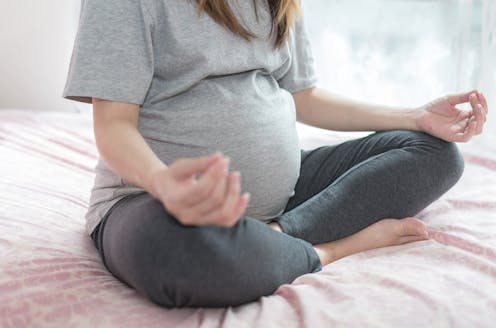
It’s commonly understood that having a baby can be a primary cause of later pelvic floor problems, such as bladder leakage. While giving birth can be a very special and joyful time, it can sometimes be difficult returning to day-to-day activity postpartum.
About one in three women who’ve have had a baby experience urinary incontinence. A similar proportion will have prolapse symptoms like vaginal heaviness or bulging.
You might guess that choosing a caesarean section – that is, a surgical birth via the abdomen – rather than a vaginal birth could be a sensible way to avoid such symptoms. You could assume doing so would avoid any direct stretching and trauma to the pelvic floor muscles.
However, it’s not that simple. It turns out pregnancy itself, regardless of the mode of delivery, is a significant risk factor for pelvic floor dysfunction.
Read more: Pessaries are still a taboo topic – but these ancient devices help many women
Under pressure
During pregnancy, there is a rapid increase in pressure and strain on the pelvic floor from the growing baby and increasing fluid load. Add to this a high likelihood of constipation during and after pregnancy causing straining that further weakens already stretched muscles.
A growing belly also stretches and weakens the muscles of the abdominal wall and changes our posture, impacting core stability and the function of the trunk and pelvis.
Changes in hormones during pregnancy soften our muscles, tendons and ligaments to allow the pelvis to widen during labour and delivery. This reduces the stability of the pelvic floor and supporting tissues.
So the risk for pelvic floor compromise is already there – well before any type of delivery.

Read more: Why you shouldn't make a habit of doing a 'just in case' wee — and don't tell your kids to either
Other risk factors
Add to this other non pregnancy-related risk factors for pelvic floor weakness such as:
- being a woman (our widened pelvis and extra gap in the muscles for the vaginal canal compromise pelvic floor strength)
- being overweight
- previous pelvic surgery
- advancing age
- ethnicity and genetics
- family history of incontinence, prolapse and connective tissue disorders
- participation in repetitive high impact sports like dancing, CrossFit and running
- repetitive heavy lifting (occupational or with sports like weightlifting)
- a history of excessive coughing, sneezing or vomiting
- constipation and straining.
It’s a long list of contributing factors to pelvic floor dysfunction that don’t have anything to do with having a vaginal or caesarean delivery.
That said, a vaginal delivery (particularly a difficult one) does add risk factors. This is especially true if:
- the baby is large (weighing more than 4 kilograms) on delivery
- instrumental assistance is required, especially forceps
- the second stage of labour (the pushing phase) is longer than an hour
- muscle damage or high-grade perineal tearing (damage to the tissues between the vagina and the anal sphinter) occurs.
A caesarean is certainly not the “easy way out” either. Recovery from a C-section, even a planned one, can be challenging as it is major abdominal surgery. It means avoiding lifting anything heavier than your baby for six weeks, not driving until medically cleared, reduced mobility, and incision pain. As with any surgery, it carries the risk of complications such as infection, reaction to the anaesthetic, surgical injury and blood clots.
Read more: Playing games with your pelvic floor could be a useful exercise for urinary incontinence
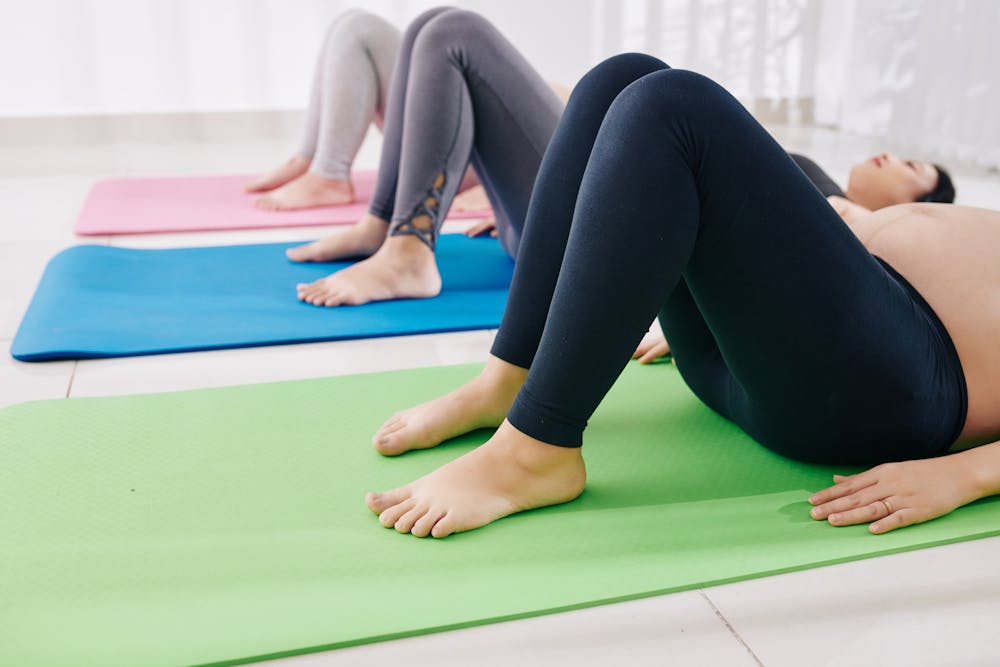 Exercise classes designed for pregnancy are a good idea.
Shutterstock
Exercise classes designed for pregnancy are a good idea.
Shutterstock
Read more: 7 ways to reduce perineal tearing during childbirth
Birth planning with your pelvic floor in mind
There are pros and cons to both modes of delivery when considering potential long-term impacts on function. Individualised counselling with your medical provider during pregnancy is highly recommended, as everyone’s personal risk factors, circumstances and preferences are unique.
Using a risk calculator tool may be a useful starting point when discussing with your care team whether a vaginal or caesarean birth may be more suitable for you.
If you are planning a vaginal delivery, there are a few things research shows can reduce your risk of pelvic floor injury and dysfunction:
- maintain a healthy body weight
- practice pelvic floor exercises during pregnancy, under the guidance of a suitably trained professional such as a pelvic floor physiotherapist
- participate in supervised exercise classes specifically tailored for pregnancy and pelvic floor awareness
- start perineal massage from 35 weeks of pregnancy to improve muscle flexibility and blood flow
- adopt upright positions for labour and delivery if it feels right and is safe and comfortable, which may allow for gravity assistance, more efficient contractions and a widened pelvic outlet
- push when you feel urges rather than following “directed pushing” from others
- use a warm compress on the perineum during crowning to relax the muscles
- a mediolateral episiotomy (planned cut to the perineal muscles) with forceps-assisted deliveries rather than allowing uncontrolled tearing towards the anal sphincter muscles. This is not the same as a midline episiotomy, which carries different risks.
Whether you choose to birth vaginally or via caesarean is a decision that is very personal and involves many factors. Due to unforeseen complications, sometimes this decision can be taken out of our hands so it is beneficial to be well-informed on both options.
Regardless of mode of delivery, it’s important to learn how to effectively exercise your pelvic floor muscles for prevention and treatment of pelvic floor symptoms such as incontinence and prolapse. Today’s a great day to get started.
Read more: Men have pelvic floors too – and can benefit when they exercise them regularly
Authors: Mischa Bongers, Sessional Lecturer, CQUniversity Australia



















