

Clashing laws need to be fixed if we want to live in bushfire-prone areas
- Written by Phillipa McCormack, Postdoctoral Research Fellow, University of Adelaide
It’s almost bushfire season. Yes, even though floods are still racing through parts of eastern Australia. Fire conditions are above average including in inland New South Wales and Queensland.
When we switch back to a neutral or El Niño climate cycle, our fire risk will likely intensify, given the huge vegetation growth during these rainy years.
As we prepare for the next major fire season, it’s vital we take a close look at our laws. Why? Because these laws can clash in ways that make it harder for us to prepare.
Governments have always struggled to balance laws protecting nature with laws protecting us from bushfire.
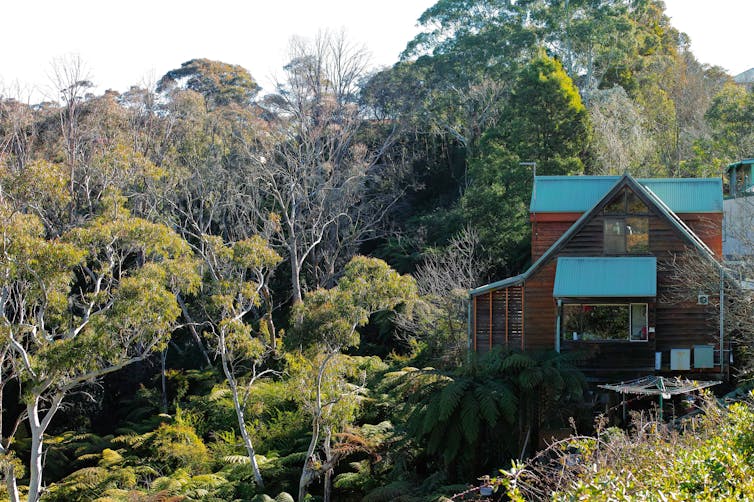
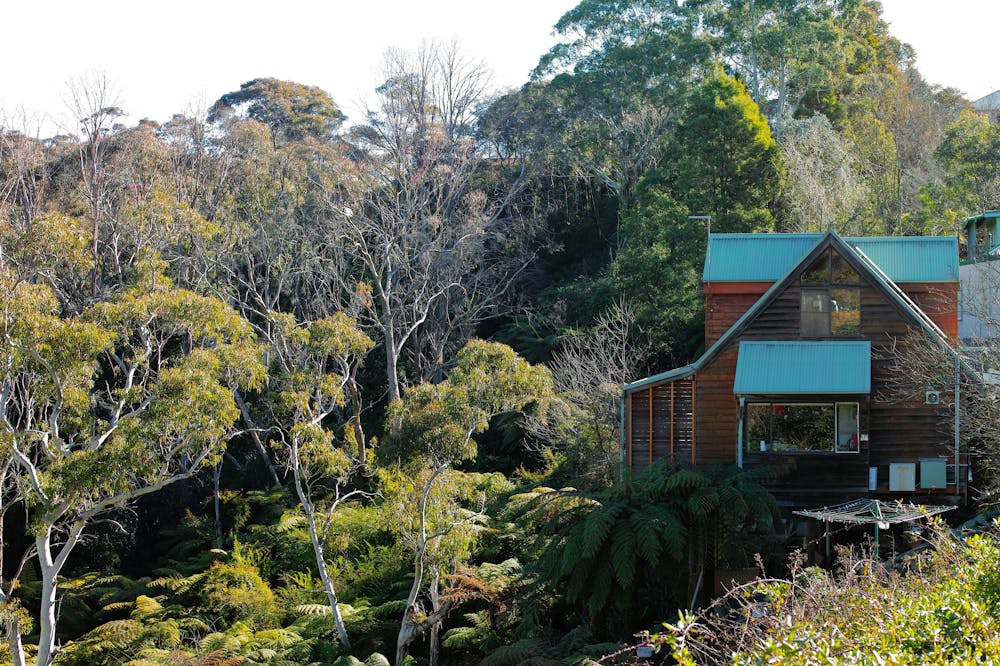
In recent years, planning laws have been changed to make it easier to fell trees and clear vegetation to keep our homes safe. Some of these came out of the review of Victoria’s catastrophic 2009 Black Saturday fires, where many houses nestled in bush burned. But these changes to the rules about clearing native vegetation can also make it harder for us to preserve habitat – and can give us a false sense of security, encouraging us to settle deeper and deeper into the fire-prone bush.
Why do laws matter for bushfire preparation?
My colleagues and I recently mapped out Australia’s legal “anatomy” for fire. By anatomy, we mean all the different parts of the legal framework, including those that affect fire preparation.
Why? To optimise our system of laws to be ready for the ever-more-intense fires expected as the world heats up.
Here’s what a clash looks like. It’s now common to undertake prescribed burns and burn vegetation to reduce fuel loads and reduce the chances of a major bushfire.
But prescribed fires cause smoke. Fire agencies must comply with smoke pollution laws designed to keep vulnerable people safe. These two different risks – bushfire, and smoke-related illness – are managed under two different areas of law. Finding the balance is really hard.
We already know our environmental laws are failing to adequately protect nature.
Bushfires add to this as a serious and growing threat to our distinctive wildlife and ecosystems. The Black Summer megafires of 2019–20 killed huge numbers of animals and pushed many species closer to extinction, including mountain pygmy possums, native bees and rare frogs.
As fire seasons worsen and get longer over coming decades, fire agencies and local governments will be called on to clear and manage fuel loads – essentially, trees, plants and leaf litter – close to communities in the bush.
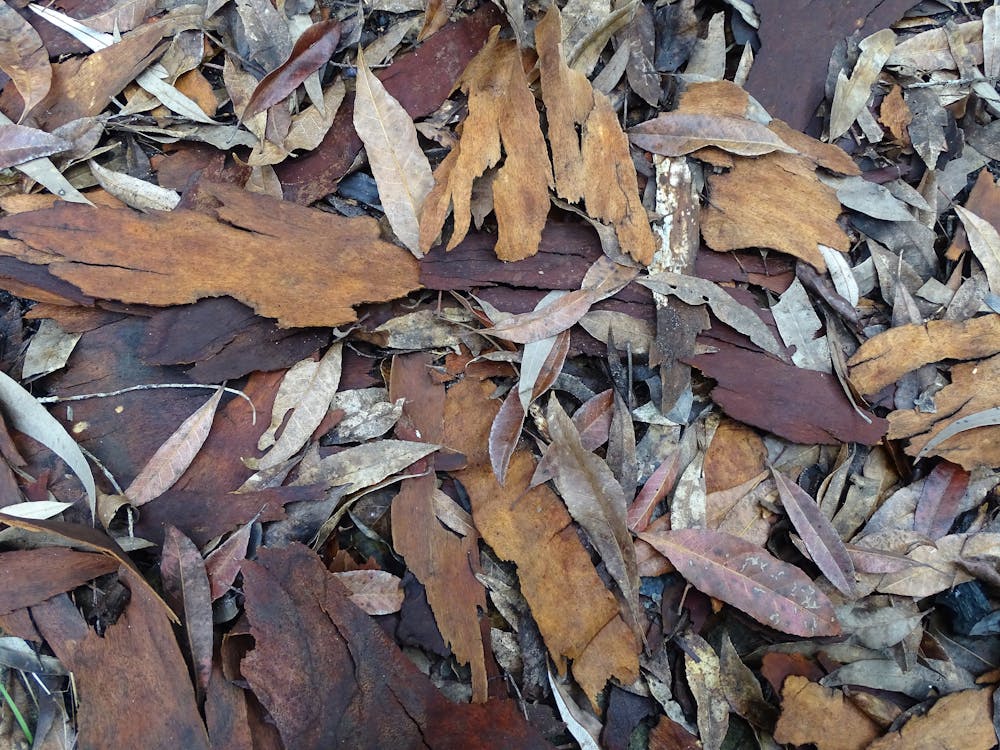 Leaf litter and fallen trees are fire hazards - and habitat.
Shutterstock
Leaf litter and fallen trees are fire hazards - and habitat.
Shutterstock
You can see the issue. Bushfire fuel is also habitat. Our international and domestic obligations to protect threatened species and habitats will come into increasing conflict with the need to preserve our settlements and farms.
Better, clearer laws would help balance these issues. Last year, the Victorian government announced plans to make bushfire planning provisions clearer and more understandable. Reviews like this should clarify where homes can and can’t be safely built, as well as preventing development in sensitive habitat.
Laws around fire need to be considered separately
Emergency planners often group floods, storms and bushfires under the blanket term “all hazards”. This is done to help emergency services to plan efficient and coordinated responses to all kinds of extreme events.
We believe laws about fire also deserve specific attention, particularly in Australia, where many of our ecosystems have evolved alongside fire. Not all fire is equal and not all fires are emergencies.
In fact, laws governing protected areas in some states actually require parks agencies to use fire as a conservation tool. Using fire carefully is front and centre in the new plan to look after Tasmania’s Wilderness World Heritage Area.
Not only that, but some areas need small fires lit in a mosaic pattern. Why? To encourage moorland plants to put out the flowers and seeds the critically endangered orange-bellied parrot relies on.
Read more: How 1970s conservation laws turned this ‘paradise on Earth’ into a tinderbox
Or take the growing importance of cultural fire management and traditional land management. Victoria’s cultural fire strategy describes cultural burning as a “responsibility” and an example of “living knowledge”, but not as an emergency.
Some laws, like arson, only apply to fire. There’s no equivalent crime for floods. Improving arson prevention could help cut the estimated A$1.6 billion in damages annually from fires being lit deliberately.
While arson is not as common as it used to be, cutting arson further will reduce the number of fires Australian firefighters have to respond to.
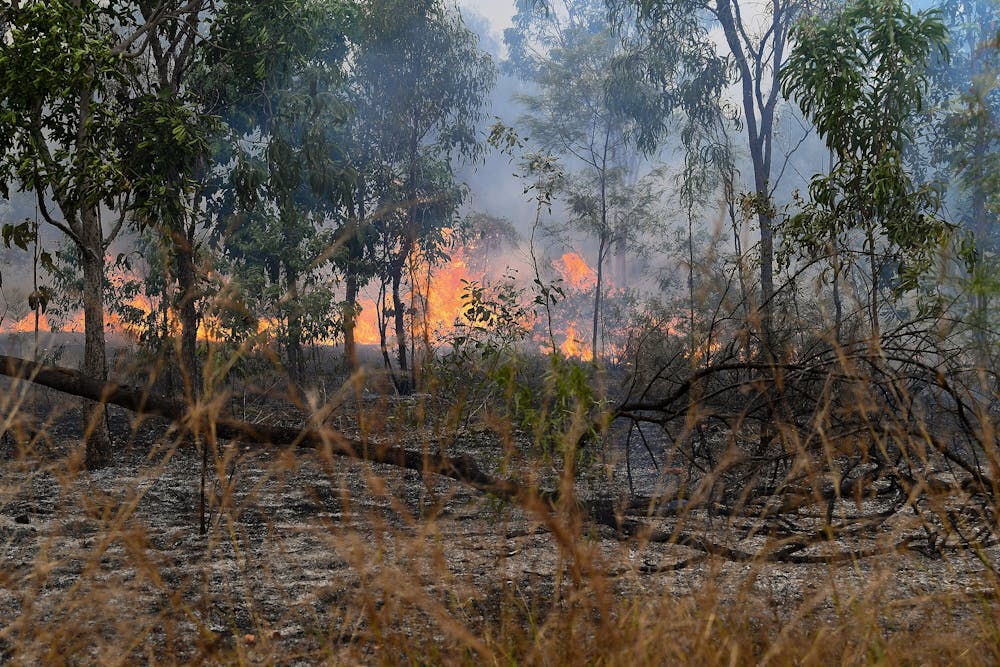 Low intensity cultural burning is growing in importance to fend off megafires, as in this image near Aurukun in Queensland.
Jono Searle/AAP
Low intensity cultural burning is growing in importance to fend off megafires, as in this image near Aurukun in Queensland.
Jono Searle/AAP
We have to make laws intersect better
In the wake of destructive and lethal fires come the reviews and inquiries, which often recommend changes to emergency management laws.
These post-disaster inquiries also often recommend streamlining rules around native vegetation, to let landholders clear more trees and shrubs around their houses. That’s understandable, because these inquiries are intended to find lessons.
But if we look across the whole range of laws governing or touching on fire, we might find new ways to help us adapt.
Over the last century, Australian governments have launched hundreds of inquiries and commissions after major bushfires.
We don’t need to wait for the next fire and inquiry. We can find ways of optimising our web of intersecting laws right now – and prepare ourselves and nature for what is to come.
Read more: We have already had countless bushfire inquiries. What good will it do to have another?
My co-authors Professors Jan McDonald and David Bowman, Associate Professor Michael Eburn, Dr Stuart Little and Dr Rebecca Harris contributed to the research on which this article is based.
Authors: Phillipa McCormack, Postdoctoral Research Fellow, University of Adelaide

















