

We live in a time of 'late capitalism'. But what does that mean? And what's so late about it?
- Written by David Elias Aviles Espinoza, PhD candidate in Political Economy, University of Sydney
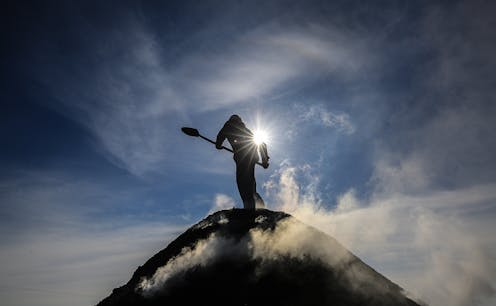
The term “late capitalism” seems to be everywhere as a trending meme – often used as a kind of shorthand to illustrate the absurdities of certain free market economies.
On Twitter, you will find the hashtags #latecapitalism (English), #tardocapitalismo (Italian), #capitalismotardio (Spanish), and #spätkapitalismus (German), among others. Typically, they satirise notions such as the idea of endless growth.
The term also pops up in a wide range of academic articles and books. There are, for instance, discussions around the populist rise in late capitalism, the increase in financial-related investments in late capitalism, migration conditions in late capitalism, and so on.
But what are the origins of this term? And what, exactly, does it mean?
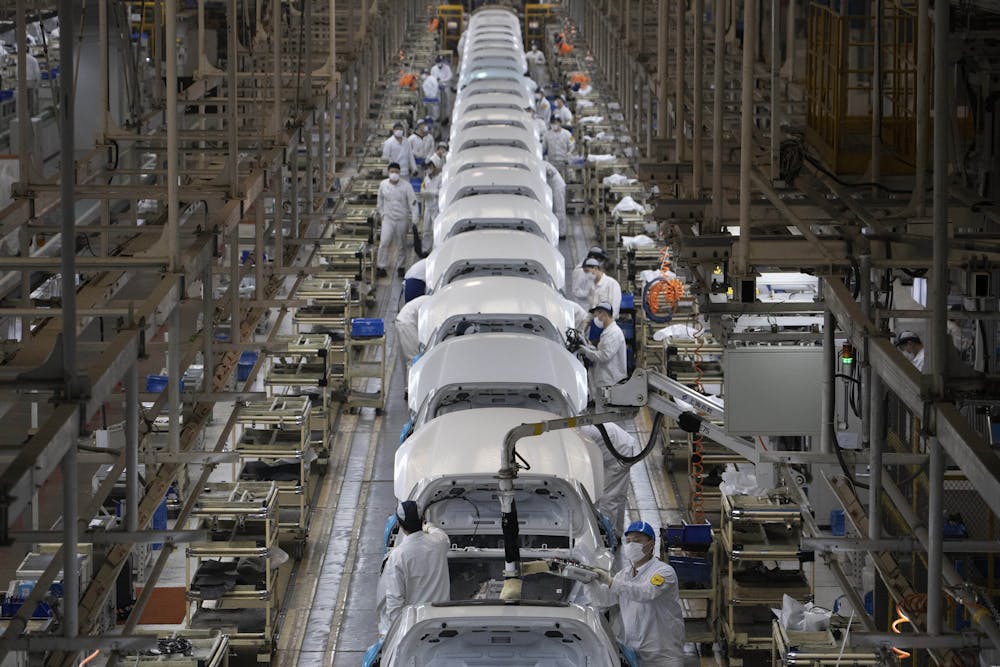
The origins
Karl Marx first analysed the last stage of capitalism in his three-volume magnum opus Capital: A Critique of Political Economy (published in 1867, 1885, and 1894), particularly in Volume 3.
For Marx, an acceleration in the turnover of capital, concentrating wealth in the hands of the few, would result in a continuous tendency to crises. This, he believed, would ultimately make the system collapse.
Read more: Karl Marx: his philosophy explained
However, Marx did not use the term “late capitalism”. It was coined by Werner Sombart, a controversial German historical economist, almost a century ago in his three-volume magnum opus Der Moderne Kapitalismus (published from 1902 through 1927).
Sombart’s main contribution was to define three periods of the capitalist economic system: early or proto capitalism, advanced capitalism and late capitalism. In Sombart’s analysis, late capitalism referred specifically to economic, political and social deprivations associated with the aftermath of the first world war.
A new epoch
The term wasn’t taken up widely until Belgian Marxist economist Ernest Mandel’s treatise Late Capitalism was published in English in 1975.
Mandel used the idea to describe the economic expansion after the second world war. This was a time characterised by the emergence of multinational companies, a growth in the global circulation of capital and an increase in corporate profits and the wealth of certain individuals, chiefly in the West.
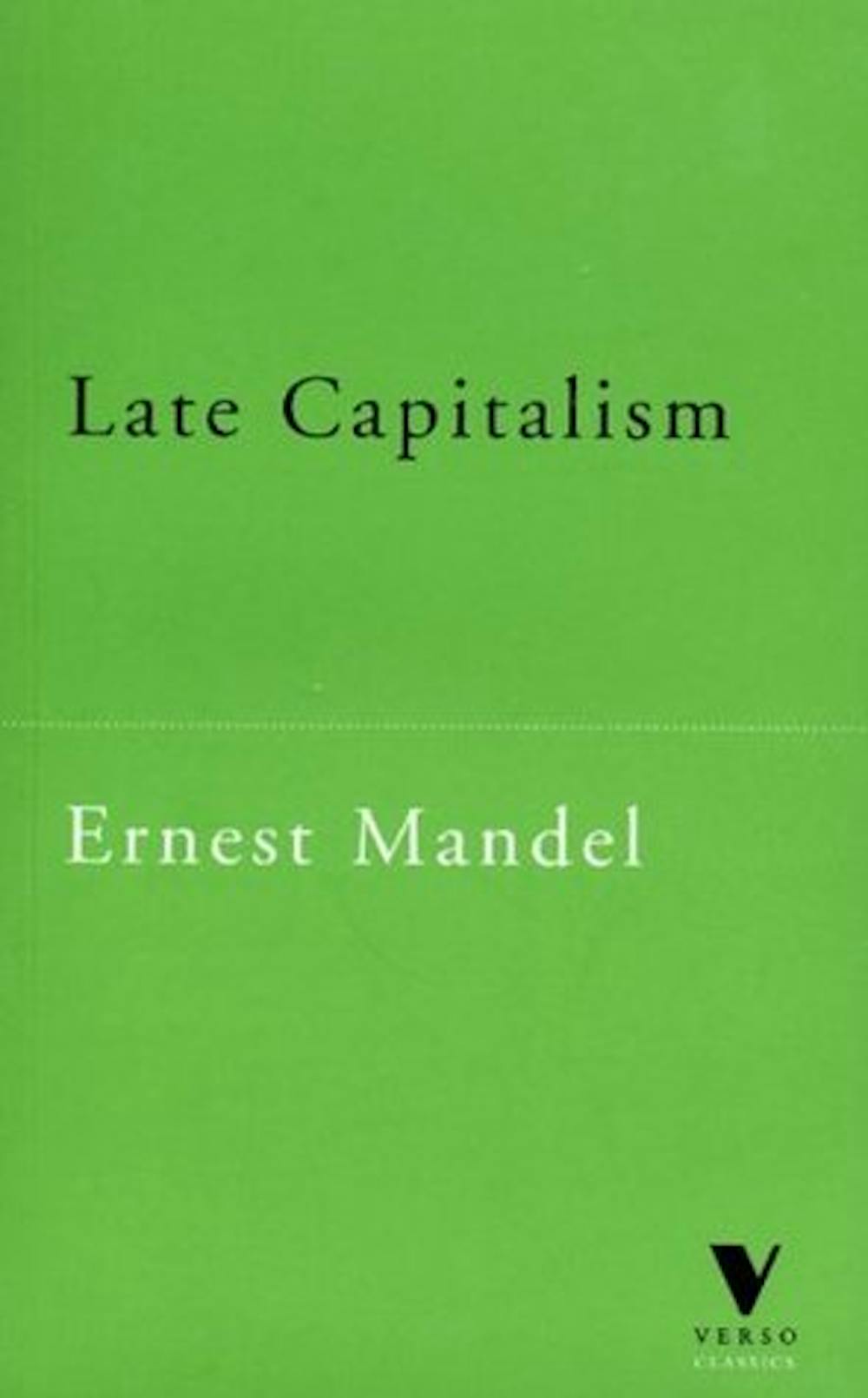 Goodreads
As Mandel described it, the period of late capitalism did not represent a change in the essence of capitalism, only a new epoch marked by expansion and acceleration in production and exchange. Thus one of the main features of late capitalism is the increasing amounts of capital investments into non-traditional productive areas, such as the expansion of credit.
This period of exceptional economic growth, argued Mandel, would reach its limit by the mid 1970s. At this time, the world economy was experiencing an oil crisis (in 1973, and a second wave in 1979). Britain was also experiencing a banking crisis derived from a fall in property prices and an increase in interest rates.
However, since the time of Mandel’s writing such crises have become recurrent.
For instance, the 1980s were known for the different regional financial crises, such as in Latin America, the US and Japan. In 1997, we saw the Asian financial crisis. The 2008 US subprime crisis became the Great Recession.
The cultural component
The term “late capitalism” regained relevance in 1991 when Marxist literary critic Fredric Jameson published Postmodernism or the Cultural Logic of Late Capitalism.
Goodreads
As Mandel described it, the period of late capitalism did not represent a change in the essence of capitalism, only a new epoch marked by expansion and acceleration in production and exchange. Thus one of the main features of late capitalism is the increasing amounts of capital investments into non-traditional productive areas, such as the expansion of credit.
This period of exceptional economic growth, argued Mandel, would reach its limit by the mid 1970s. At this time, the world economy was experiencing an oil crisis (in 1973, and a second wave in 1979). Britain was also experiencing a banking crisis derived from a fall in property prices and an increase in interest rates.
However, since the time of Mandel’s writing such crises have become recurrent.
For instance, the 1980s were known for the different regional financial crises, such as in Latin America, the US and Japan. In 1997, we saw the Asian financial crisis. The 2008 US subprime crisis became the Great Recession.
The cultural component
The term “late capitalism” regained relevance in 1991 when Marxist literary critic Fredric Jameson published Postmodernism or the Cultural Logic of Late Capitalism.
 Goodreads
Drawing on Mandel’s idea that capitalism has sped up and gone global, Jameson expanded his analysis to the cultural realm. His argument was that late capitalist societies have lost their connection with history and are defined by a fascination with the present.
In Jameson’s account, late capitalism is characterised by a globalised, post-industrial economy, where everything – not just material resources and products but also immaterial dimensions, such as the arts and lifestyle activities – becomes commodified and consumable.
In this capitalist stage, we see innovation for the sake of innovation, a superficial projected image of self via celebrities or “influencers” channelled through social media, and so on.
In this time, whatever societal changes that emerge are quickly transformed into products for exchange. Unlike those who celebrate postmodernism as replete with irony and transgression, Jameson considers it to be a non-threatening feature of the capitalist system in contemporary societies.
More recently, Jonathan Crary, in his book Late Capitalism and the Ends of Sleep, argues our current version of 24/7 capitalism, enabled by intrusive technologies and social media, is eroding basic human needs such as sufficient sleep. It is also eliminating “the useless time of reflection and contemplation”.
Goodreads
Drawing on Mandel’s idea that capitalism has sped up and gone global, Jameson expanded his analysis to the cultural realm. His argument was that late capitalist societies have lost their connection with history and are defined by a fascination with the present.
In Jameson’s account, late capitalism is characterised by a globalised, post-industrial economy, where everything – not just material resources and products but also immaterial dimensions, such as the arts and lifestyle activities – becomes commodified and consumable.
In this capitalist stage, we see innovation for the sake of innovation, a superficial projected image of self via celebrities or “influencers” channelled through social media, and so on.
In this time, whatever societal changes that emerge are quickly transformed into products for exchange. Unlike those who celebrate postmodernism as replete with irony and transgression, Jameson considers it to be a non-threatening feature of the capitalist system in contemporary societies.
More recently, Jonathan Crary, in his book Late Capitalism and the Ends of Sleep, argues our current version of 24/7 capitalism, enabled by intrusive technologies and social media, is eroding basic human needs such as sufficient sleep. It is also eliminating “the useless time of reflection and contemplation”.
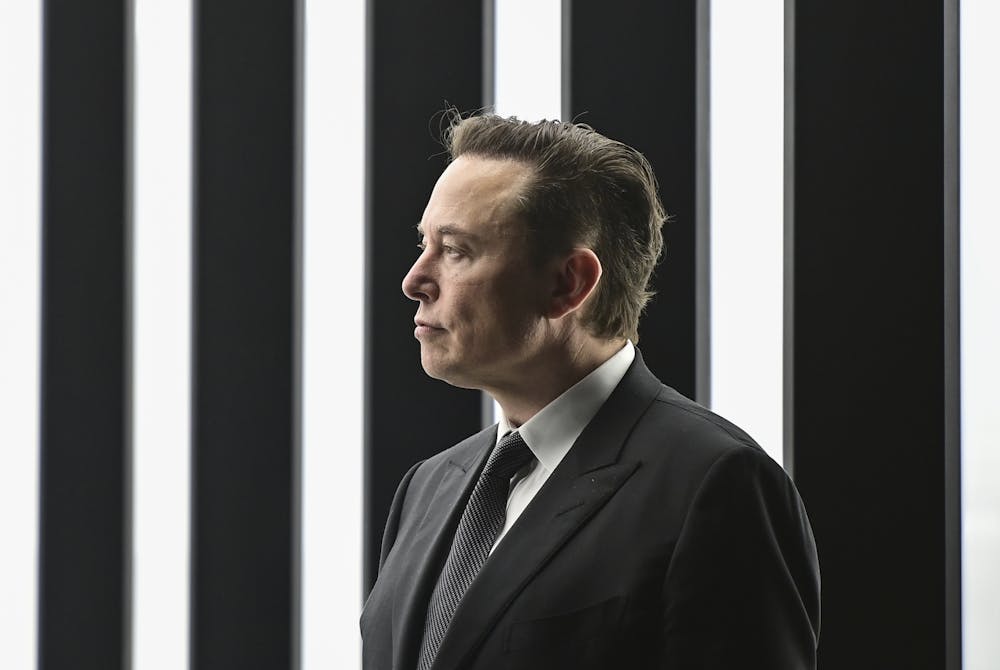 Elon Musk, the world’s richest man, now owns Twitter.
Patrick Pleul/AP
And then what?
Since its conception, the idea of late capitalism has chiefly referred to the latest stage of capitalist development. This “last stage” condition has been bestowed on almost every period following a moment of economic crisis.
Global economic upheavals such as the 2008 subprime crisis and the financial upheaval caused by the COVID-19 pandemic have led to a simultaneous expansion and concentration of wealth.
Elon Musk, the world’s richest man, now owns Twitter.
Patrick Pleul/AP
And then what?
Since its conception, the idea of late capitalism has chiefly referred to the latest stage of capitalist development. This “last stage” condition has been bestowed on almost every period following a moment of economic crisis.
Global economic upheavals such as the 2008 subprime crisis and the financial upheaval caused by the COVID-19 pandemic have led to a simultaneous expansion and concentration of wealth.
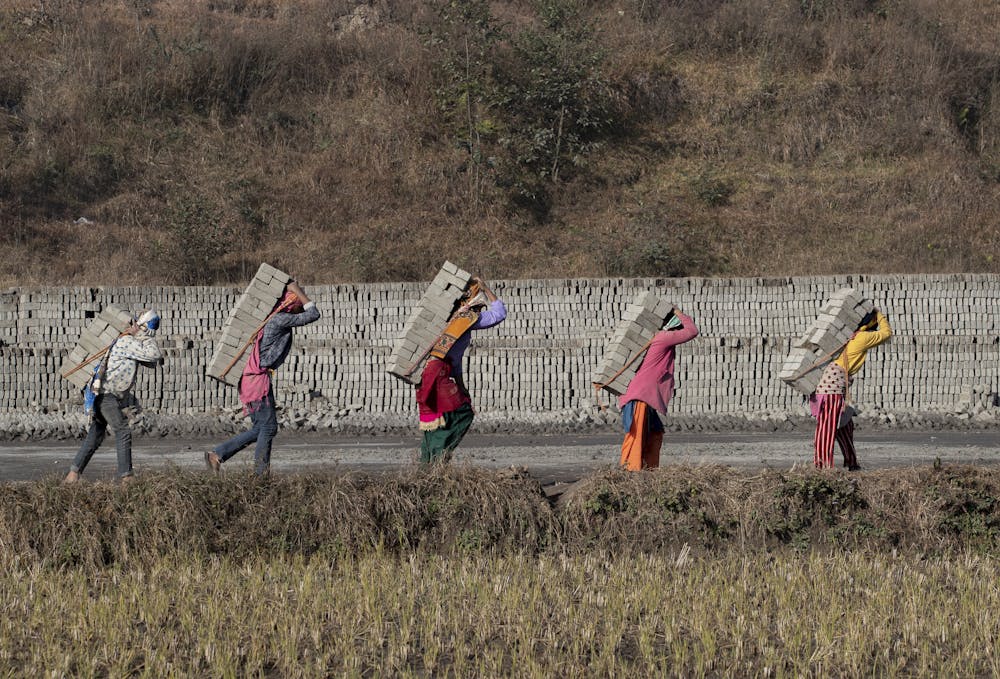 Migrant workers at a brick factory outside Kathmandu.
Narendra Shrestha/EPA
In other words, the rich get richer, and the poor get poorer, such is the ever-turning gyre of capitalism. Indeed, contemporary economists, such as Thomas Piketty and Joseph Stiglitz suggest increasing inequality could endanger our future.
What will come after late capitalism? In the face of the climate crisis, some are imagining everyday lives no longer guided by overconsumption and environmental degradation: a post-capitalist society. In the meantime, the hashtags continue.
Authors: David Elias Aviles Espinoza, PhD candidate in Political Economy, University of Sydney
Migrant workers at a brick factory outside Kathmandu.
Narendra Shrestha/EPA
In other words, the rich get richer, and the poor get poorer, such is the ever-turning gyre of capitalism. Indeed, contemporary economists, such as Thomas Piketty and Joseph Stiglitz suggest increasing inequality could endanger our future.
What will come after late capitalism? In the face of the climate crisis, some are imagining everyday lives no longer guided by overconsumption and environmental degradation: a post-capitalist society. In the meantime, the hashtags continue.
Authors: David Elias Aviles Espinoza, PhD candidate in Political Economy, University of Sydney 
















