

We can learn a lot about long COVID from years of diagnosing and treating chronic fatigue syndrome
- Written by Sarah Annesley, Senior Postdoctoral Research Fellow in Cell and Molecular Biology, La Trobe University
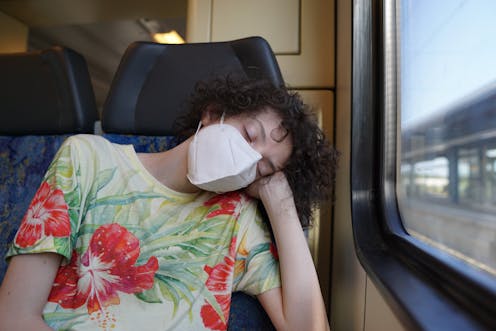
Long COVID reportedly affects about 10% of post-COVID patients, and describes a range of ongoing or new symptoms three months post-infection.
Given the COVID pandemic has infected more than 750 million people worldwide, it’s clear long COVID will create a significant burden on society for years to come. Australia’s parliament is currently undertaking an inquiry into long COVID, with hearings this week.
While some long COVID symptoms are unique (microclots, lung scar tissue, or organ damage due to acute infection), most resemble the clinically very similar disorder myalgic encephalomyelitis, more commonly known as chronic fatigue syndrome.
While the term myalgic encephalomyelitis is preferred by many patients who have fought to have the illness recognised as an illness that affects the brain rather than just tiredness, we’ll use the term chronic fatigue syndrome here for simplicity.
As similar post-viral illnesses, there is much we can learn about long COVID from our years of diagnosing and managing chronic fatigue syndrome.
Diagnosing post-viral illnesses
Chronic fatigue syndrome, like long COVID, is often triggered by a viral infection, and an increase in chronic fatigue syndrome cases has followed most viral epidemics and pandemics.
The main difference is the length of time in exhibiting symptoms: more than six months for chronic fatigue syndrome and more than two months for long COVID. Many long COVID patients will therefore also fit the criteria for chronic fatigue syndrome, with recent estimates suggesting this may be as high as 50%.
Diagnosing long COVID is a challenge. Clinicians are confronted with a wide array of possible (often subjective) symptoms (more than 200), which can be overwhelming within standard consultation periods.
Previous studies on chronic fatigue syndrome patients have established a simple clinical method based on the patient’s capacity to stand upright, which may also prove useful in diagnosing long COVID.
Diagnosing long COVID in childhood and adolescence is exacerbated by the difficulty patients may have in articulating and understanding their symptoms, particularly at a time already characterised by significant change.

Some symptoms such as shortness of breath are less common in children, and as with chronic fatigue syndrome, patients may look well, so their symptoms may be disregarded or misinterpreted. This could increase the time to get a diagnosis and access care, with symptoms persisting for years following a diagnosis.
Read more: We got some key things wrong about long COVID. Here are 5 things we've learnt
Most of the proposed disease mechanisms in long COVID overlap with what has already been proposed in chronic fatigue syndrome. These include a defect in the way long COVID patient’s cells make energy, inflammation in the brain, and persistent activation of the immune system. Understanding the mechanisms that underlie long COVID will ultimately lead to the development of a diagnostic test and treatments for the debilitating symptoms.
As an illustrative example, research here in Australia identified a specific defect in the final enzyme in energy production in cells from chronic fatigue syndrome patients. This was accompanied by an increase in the activity of an enzyme that is important for sensing and responding to stress.
The cells had an increased reliance on alternative energy building-blocks, making the process of energy production less efficient. When used in combination, these altered measures could identify chronic fatigue syndrome with high accuracy, meaning they could be used to diagnose chronic fatigue syndrome, and potentially similar post-viral fatigue conditions like long COVID.
Read more: How physios and occupational therapists are helping long COVID sufferers
Managing post-viral illnesses
Looking at how chronic fatigue syndrome is managed has proved useful in managing long COVID, with the current management guidelines closely mimicking each other.
This includes educating and supporting patients to manage and monitor their symptoms, rehabilitation from a multidisciplinary team (which may include physicians, physiotherapists, occupational therapists, psychologists and others), and modifying lifestyle and work routines.
Techniques often used in chronic fatigue syndrome are also likely to be useful in long COVID patients. These may include activity-pacing, sleep hygiene, pain medication, and increasing fluid and salt intake, which can help manage rapid increases in heart rate experienced by some patients when they get up from sitting or lying down.
It may also be beneficial to refer long COVID patients to clinicians with expertise in chronic fatigue syndrome, particularly for health professionals who are less familiar with treating post-viral fatigue syndromes.
Post-viral illnesses are not new, and long COVID may represent the latest addition to this family. Each post-viral illness has some characteristics that make it unique, but they share similar clinical symptoms, and potentially, similar underlying disease mechanisms.
Partnership and collaboration between chronic fatigue syndrome and long COVID researchers should be encouraged to accelerate the development of treatments, management strategies, and hopefully, prevention of this debilitating illness.
Authors: Sarah Annesley, Senior Postdoctoral Research Fellow in Cell and Molecular Biology, La Trobe University

















