what changing threats to 4 marsupials tell us about the future
- Written by William Geary, PhD Student, Deakin University
Conserving native wildlife is a challenging task and Australia’s unenviable extinction record shows us we urgently need more sophisticated and effective approaches.
Too often we focus on saving individual threatened species. But in the wild, species do not live neatly in isolation. They are part of rich ecosystems, relying on many other species to survive. To save species often means saving this web of life.
Our new research models what’s likely to happen to four well-known Western Australian marsupials in the biodiversity hotspot of south-western Australia, by identifying key drivers of their populations over time.
In the past, these species were most at risk from habitat loss. But when we ran our models forwards, we found all four species would be at more risk from climate change, which is bringing heightened fire risk and a drying trend to the region. Even better control of foxes – a major predator – did not offset the trend fully.
Our work adds further weight to efforts to protect ecosystems in all their complexity. The way species – including feral predators – interact takes place against a changing climate, fire regimes, and human-made change, like logging and grazing.
To give native species their best chance of survival, we have to embrace ecosystem-based conservation, rather than focusing on rescuing individual species.
What did we find?
We looked at long-term monitoring data to find out what was having the most impact on the woylie (brush-tailed bettong), chuditch (western quoll), koomal (western brushtail possum) and the quenda (southern brown bandicoot), four animals living in Upper Warren jarrah forests.
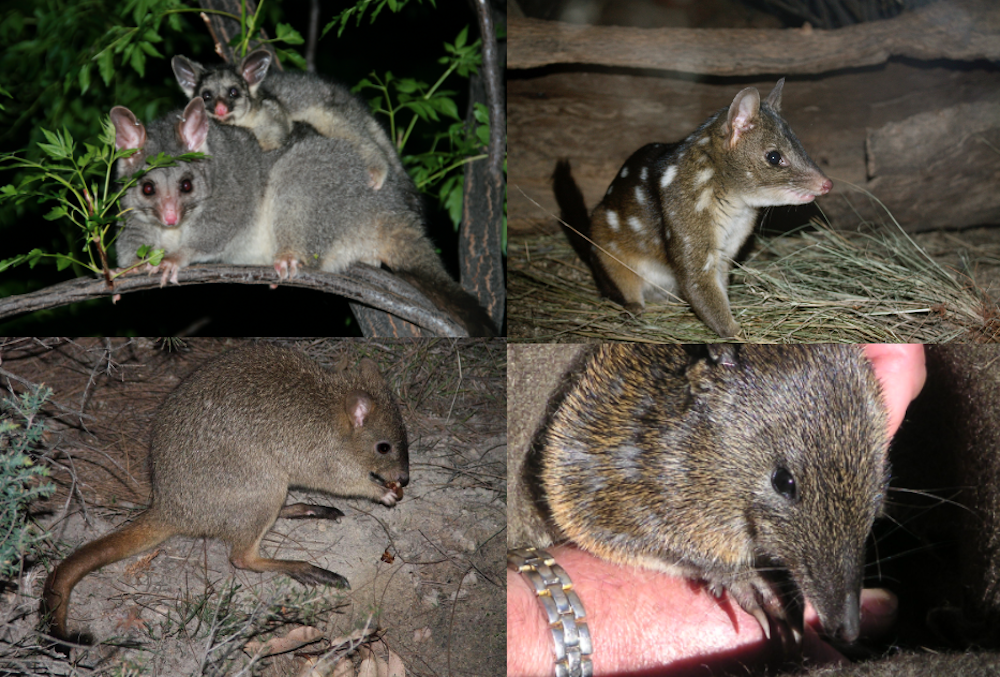
All four have undergone considerable population change over the last few decades and some are now threatened due to predation by foxes and feral cats, habitat loss and increased frequency of droughts and bushfires. To add to that, controlled burns, lethal fox control and timber harvesting have all taken place in our study region within this time. What we didn’t know was how these threats and conservation efforts interact.
To find out, we built a complex statistical model of the ecosystem to pinpoint what was driving population change geographically and over time.
We found the abundance of these species were affected most by the historical impact of habitat loss, as well as less food in the form of vegetation or prey due to the area’s ongoing decline in rainfall.
Read more: Australia's south west: a hotspot for wildlife and plants that deserves World Heritage status
Of the habitat lost here, most was cleared during the 19th and early 20th centuries. But now it has more or less stopped, the legacies of this change continue through the effects of habitat fragmentation and increased incursion by introduced species. That means the main falls in abundance took place decades ago.
What about fire and foxes? These threats had less effect than habitat loss and rainfall declines, which we attribute to the broad management of both of these in the region. It was also difficult to quantify the effects of fox control because of the lack of control areas – essentially, comparable areas without poison baits in the region.
Our work shows there’s not one simple answer for managing this ecosystem. Everything is connected. We need to embrace this complexity so that we can better pinpoint where our actions can make a difference.
What’s likely to happen?
While habitat loss was the major historical threat, the future looks to be different. Severe fire is set to increase and rainfall reduce due to climate change. This indicates all four species will see falling populations.
Annual rainfall in south-western Australia has already fallen at least 20% below the historical average and further declines are expected. If severe fires arrive more often – and overlap with reduced rainfall – we could see even greater population loss.
These threats mean local conservation managers will be less able to help. Controlling fox numbers may help at present, but in a drier, fierier future, things will get harder.
Our modelling suggests that for woylie and koomal, lethal fox control could boost their resilience to severe fire and reduced rainfall, but not completely offset the expected losses.
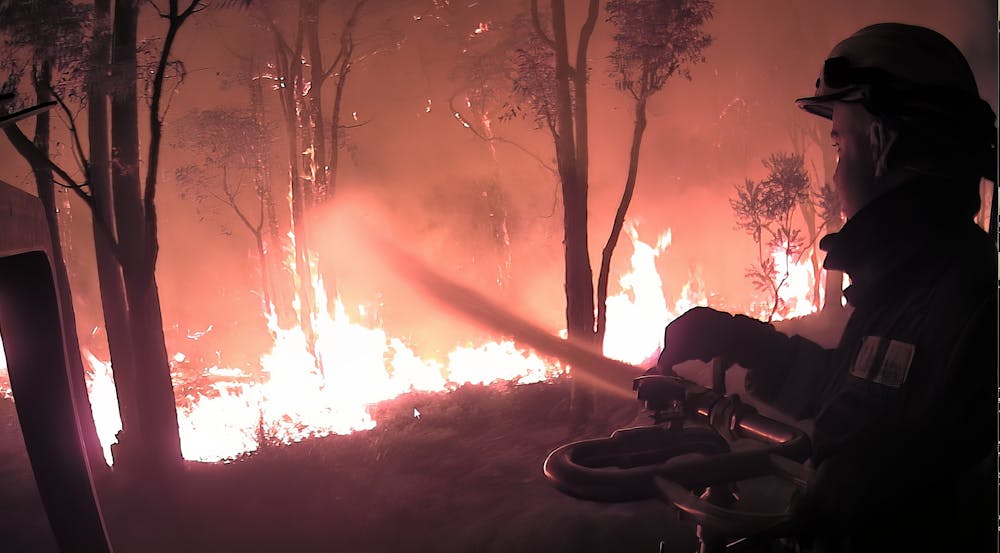 Jarrah forests are now experiencing more bushfires.
The Department of Biodiversity, Conservation and Attractions (DBCA)
Jarrah forests are now experiencing more bushfires.
The Department of Biodiversity, Conservation and Attractions (DBCA)
What does this mean for ecosystem management?
It’s long been a goal for conservationists to manage ecosystems as a whole. In reality, this is often incredibly difficult, as we need to consider multiple threats (such as fire and invasive species) and conflicting requirements of different species, in the face of uncertainty about how some ecosystems work, as well as limited budgets.
Ecosystems are complex webs of interacting species, processes and human influences. If we ignore this complexity, we can miss conservation opportunities, or see our actions have less effect than we expected.
Sometimes, well-intended actions can actually produce worse outcomes for some species, such as fox control leading to a boom in wallabies who strip the forest of everything edible.
Studies like ours wouldn’t be possible without the careful collection and synthesis of data over decades. As global climate change accelerates and the effects on ecosystems become increasingly unpredictable, conservation managers are flying blind if they do not have long-term monitoring to inform decisions on where and when to act.
So what can our conservation managers do? They can help ecosystems survive by doing two things. First, keep managing the threats within our control – such as invasive predators and ongoing habitat loss – to help reduce damage from other threats. Second, model and anticipate the effects of future change, and use that knowledge to be as prepared as we can.
Read more: Drying land and heating seas: why nature in Australia's southwest is on the climate frontline
Authors: William Geary, PhD Student, Deakin University