Natural disasters take a toll on unborn babies – we need to support pregnant mums after Cyclone Gabrielle
- Written by Mia Mclean, Senior lecturer, Auckland University of Technology
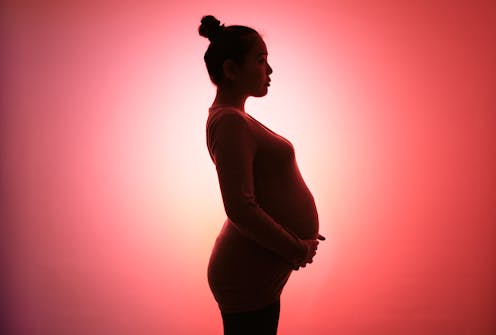
The Auckland Anniversary floods and Cyclone Gabrielle have put the spotlight on how communities recover in the aftermath of widespread devastation. But future-proofing communities against the impact of these disasters needs to include measures to protect some of our most vulnerable people – pregnant women and their unborn babies.
What happens during pregnancy lays the foundation for child health and development. Exposure to a natural disaster is no exception.
Years after the Christchurch earthquakes, teachers reported behaviour and sleep difficulties in children who had experienced the devastation, including those who wern’t yet born on February 22, 2011. Research supports these anecdotal reports: children exposed at a younger age and in-utero to the earthquakes displayed greater behaviour problems.
I was part of a team examining maternal and child wellbeing following the 2011 Queensland floods. My research found toddlers whose mothers experienced greater hardship while pregnant due to the flooding tended to be more reactive and display emotional distress.
What’s more, these early behaviours were related to increased symptoms of anxiety at preschool age. These children also displayed poorer cognitive development as toddlers and motor difficulties through preschool.
Research on tropical cyclones in Australia and hurricanes in North America shows similar findings.
Babies in-utero at the time of Hurricane Sandy in the US had a five-fold increased risk of anxiety disorders, as well as greater likelihood of depression and attention behavioural disorders, when compared with babies who were not exposed to the disaster.
The unseen cost of Cyclone Gabrielle
These findings should not be ignored. During Cyclone Gabrielle, many New Zealanders including pregnant women, faced hardship – namely property damage and loss, and financial difficulties. Some pregnant women were left in life-threatening situations or without easy access to antenatal care. None expected to be hit by the disaster.
For the most part, the more hardship pregnant women face, the greater the immediate and post-traumatic stress-like symptoms they experience. The fetal brain and stress systems may be particularly susceptible to pregnancy stress. It can also affect maternal mood for years to come.
Yet, even when a woman reports low levels of distress in the face of a disaster, exposure to hardship can affect child development. Changes to nutrition, exercise, stress hormones, placental function and the immune system may “get under the skin” of the unborn child.
Support now and in the future
Now that the silt has settled after Cyclone Gabrielle, pregnant women and their unborn children must not be forgotten.
Pregnant women should be encouraged and supported to engage in emotion-focused coping strategies. These can include the positive reframing of the situation, acceptance, humour and finding emotional support from others. This should then move to strategies focused on problem solving – such as actively planning for the future, taking action to clean up, and seeking help from government and non-governmental agencies.
Trying to find the positives from the situation can help lower a woman’s distress. But writing out deep thoughts and feelings about what has happened may not help and, at the very least, should be supported by clinicians.
We should also mobilise existing infrastructure to help the pregnant women to better “weather the storm” of enduring hardship and distress in the months and years to come.
Support for midwives
In New Zealand nearly all women have a midwife as their lead maternity carer from pregnancy through the postnatal period. Receiving maternity care from the same midwifery team across the perinatal period benefits a mother’s postnatal wellbeing and their infant’s neurodevelopment in the face of a disaster by providing continued social support.
During Cyclone Gabrielle, midwives went above and beyond to continue to provide support for women, no matter how remotely they lived. But we shouldn’t be relying on midwives putting themselves in danger to help those in need.
Midwives need to be supported in identifying, supporting and referring at-risk women. We also simply need more midwives.
Pregnant women need to be screened and monitored for post-traumatic symptoms, anxiety and depression across the perinatal period. Those experiencing continued distress need equitable access to appropriate mental health services.
Early childhood, a period of incredible brain maturation, also offers opportunities for improving child outcomes. Positive parent mental health and sensitive, structured parenting behaviours have been shown to improve child cognition, language, and behaviour.
A possible next step is the targeted delivery of parent-led interventions that promote such behaviours through existing services including Plunket. Government support for child mental health initiatives, like that provided following the earthquakes, is needed in areas hit by the cyclone.
With New Zealand predicted to experience an increasing number of extreme weather events in the next decade, it is critical we take stock, listen and act on this research – not just for those exposed to Cyclone Gabrielle, but for those who will inevitably be affected when the next disaster strikes.
Authors: Mia Mclean, Senior lecturer, Auckland University of Technology