Modern Australian
The Times

Job creation isn't always a good thing. Hobart's new stadium can only make Tasmania's housing crisis worse

  • Written by John Quiggin, Professor, School of Economics, The University of Queensland
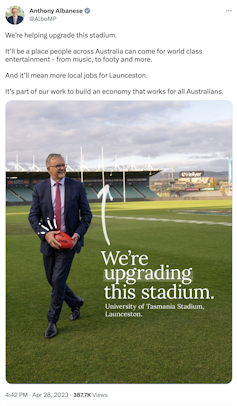
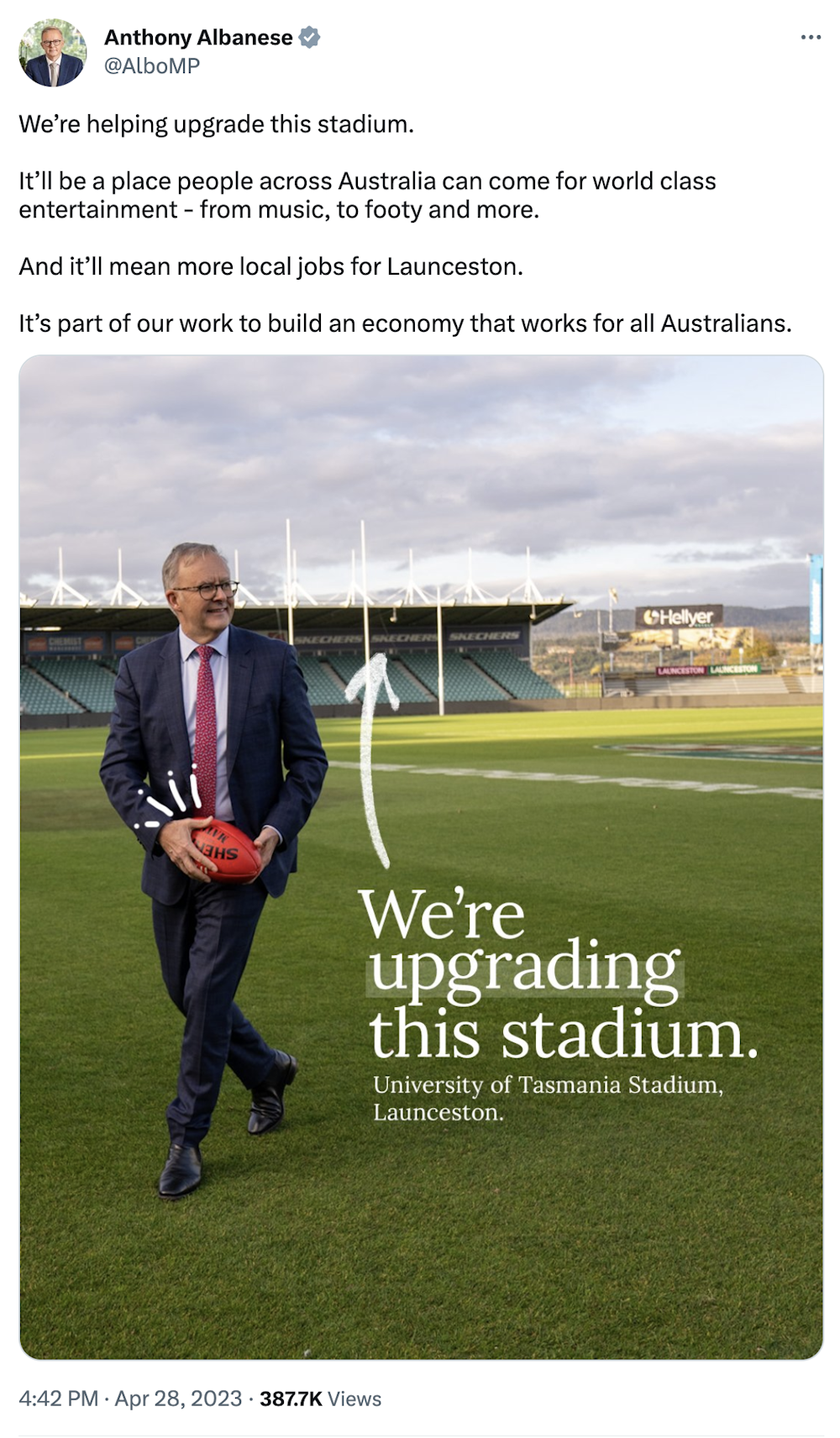
Anthony Albanese's Twitter account spruiks the federal funding for Tasmania.

The Albanese government’s announcement it will provide $240 million for a new stadium in Hobart has not had the favourable reception it might have hoped.

Those concerned with the proper operation of the federal system can point out that this kind of funding is the concern of state and local governments.

Anthony Albanese's Twitter account spruiks the federal funding for Tasmania.
Twitter, CC BY Concerns about process are reinforced by the sorry history of “sports rorts”. Both Labor and Liberal federal governments have funded sports facilities to curry political favour. To be fair, it is hard to see this project as targeted at a particular seat, but presumably the aim was to win support in Tasmania as a whole. Even compared with the dubious economics of sporting events such as the Formula 1 Grand Prix and the Olympic Games, stadium developments stand out as boondoggles. Extensive research in the US is summarised by the conclusion that over the past 30 years, building sports stadiums has been a profitable undertaking for large sports teams, at the expense of the general public. While there are some short-term benefits, the inescapable truth is the economic benefit of these projects for local communities is minimal. Indeed, they can be an obstacle to real development. Read more: Devils in the detail: an economist argues the case for a Tasmanian AFL team – and new stadium Making the business case The economic case for the Hobart Stadium is startlingly thin. The only clear-cut benefit attributable to the project is that the new Tasmanian AFL team will play its home games there, replacing the small number of AFL rounds played at Hobart’s existing stadium, Bellerive Oval. In 2022, eight AFL men’s games were played in Tasmania – four at Bellerive, four at UTAS Stadium in Launceston. A local AFL team will play 11 home games. The North Melbourne Kangaroos warm up before their Round 15 match against the Adelaide Crows at Blundstone Arena, also known as Bellerive Oval. Linda Higginson/AAP The state government’s business case estimates that 5,000 interstate visitors will attend seven matches a year. It seems safe to assume some will fly in and out on the same day, and that few will stay more than two nights. If we allow an average of one night per visitor, that’s 35,000 bed nights, or an increase of about 0.3% in current visitor nights for Tasmania (about 11 million a year in 2022). Against that must be offset the Tasmanians who will travel to Melbourne and elsewhere for away games. What about housing? All of this is par for the course for projects of this kind. The big problem for both state and federal governments is that it comes at a time of a housing crisis. The federal government’s press release contains some vague references to housing developments associated with the project. But this is little more than the sort of PR spin we’d expect from, for example, the proponents of a new coal mine. The numbers here are quite startling. The centrepiece of federal Labor’s election platform was a $10 billion fund for housing, providing $500 million year to support social housing. (Labor’s bill is currently held up in the Senate, with the Coalition opposed, and the Greens demanding stronger action.) Read more: Labor's proposed $10 billion social housing fund isn't big as it seems, but it could work If this $500 million were allocated proportionally by population, Tasmania would get about $10 million a year. The Commonwealth’s $240 million contribution to the stadium would cover this expenditure until nearly 2050. The total public outlay on the Hobart stadium (with $375 million from the Tasmanian government) would cover most of this century. At a time of extreme fiscal stringency, such a massive outlay on a luxury project is very hard to justify. What about job creation? No serious benefit-cost analysis of this project has been made. Instead, supporters have relied on announcing the number of jobs it will create – 4,200 jobs during construction and 950 jobs when operational. Such numbers are questionable. To make them bigger, governments typically count on the “multiplier effect” of work created for suppliers of various kinds. This is a long-standing tradition taken to new heights by the Albanese government. The announcement of the AUKUS submarine project, for example, was all about the jobs it would create. Read more: $18 million a job? The AUKUS subs plan will cost Australia way more than that But wait a moment. At the same time as trumpeting the creation of jobs for construction workers, the government is seeking to solve Australia’s “skills shortage” arising from historically low unemployment. Tasmania’s unemployment rate is 3.8%, marginally above the average for Australia, but lower than at any time since the economic crisis of the 1970s. This low rate represents a situation of full employment, where numbers of unemployed workers and job vacancies are roughly equal. In such circumstances, creating a job means luring a worker away from another. If the new job is on a major construction project, that means one less worker available to build housing. As I argue in my book, Economics in Two Lessons (Princeton University Press, 2019), the true costs of wasteful public expenditure are opportunity costs – the alternatives that are foregone. Multiplier effects make opportunity costs even larger. The project diverts the workers employed directly, and takes all kinds of resources that could otherwise be used for socially useful purposes. This diversion of necessary resources is the truly pernicious aspect of publicly subsidising projects like the AFL stadium. Tasmania, like the rest of Australia, does not need government action to create any more jobs, particularly in construction. It needs to ensure skilled workers are employed where they can be most valuable. Authors: John Quiggin, Professor, School of Economics, The University of Queensland

Read more https://theconversation.com/job-creation-isnt-always-a-good-thing-hobarts-new-stadium-can-only-make-tasmanias-housing-crisis-worse-204806

Celebration of Life vs Traditional Funeral: What's the Difference?

When saying goodbye to someone you love, there is no single way to honour their life. Every family has different traditions, beliefs, and preference...

Building Approval for Roofing Projects: What Homeowners Need to Know

Roofing projects are an important part of maintaining and protecting your home. Whether you're repairing storm damage, replacing an ageing roof, or ...

Chatswood Tutoring And Its Role In Academic Achievement

Academic success often requires more than classroom attendance alone. Students face increasing expectations as they progress through school, particu...

Why Laser Hair Removal Treatments Continue Growing In Popularity

Managing unwanted hair can become time-consuming and frustrating for many people, especially when shaving, waxing, and other temporary methods requi...

Choosing the Right Devices for a Flexible Workplace

For IT leaders managing large fleets, the device layer is where workforce productivity and security policy meet. The shift towards flexible and hybrid...

How Business Advisory Services Help Companies Achieve Sustainable Growth

Every business owner aims to build a profitable and sustainable organisation. While dedication, innovation, and hard work are important, achieving l...

Why Body Contouring Has Become A Popular Cosmetic Treatment

Many people maintain healthy lifestyles through regular exercise and balanced eating habits but still struggle with stubborn areas of fat that are d...

How to Choose the Right POS Hardware for Your Business in Australia

A lot of Australian business owners spend weeks researching POS software but buy hardware almost as an afterthought. That's a mistake. The wrong har...
Why Material Handling Hose Is Critical for Industrial Efficiency

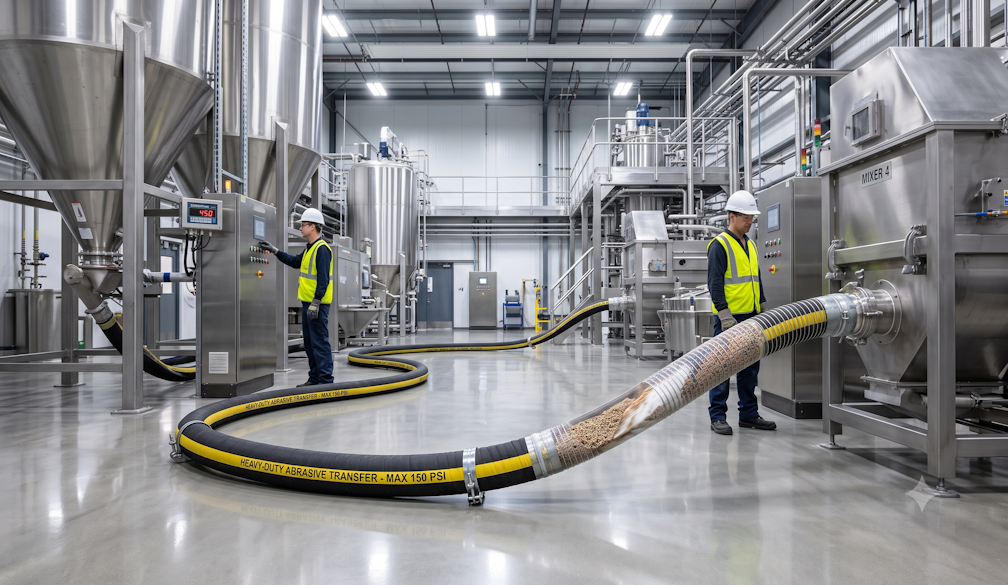
A high-performance material handling hose is an essential component in industries that transport abrasive, dry, or bulk materials on a daily basis...

How to Choose the Right Lawyer in Melbourne for Your Situation

Choosing legal support can feel difficult, especially when the stakes are personal or business-related. The right lawyer in Melbourne should underst...

Hoteliers Look to Clever Value Adds to Increase Revenue

The Australian hospitality industry is still in recovery mode after a notoriously rough patch in recent years. While there has been a post-COVID tra...
Moving to Queensland? Here’s How to Prep Your Car for the Big Move North

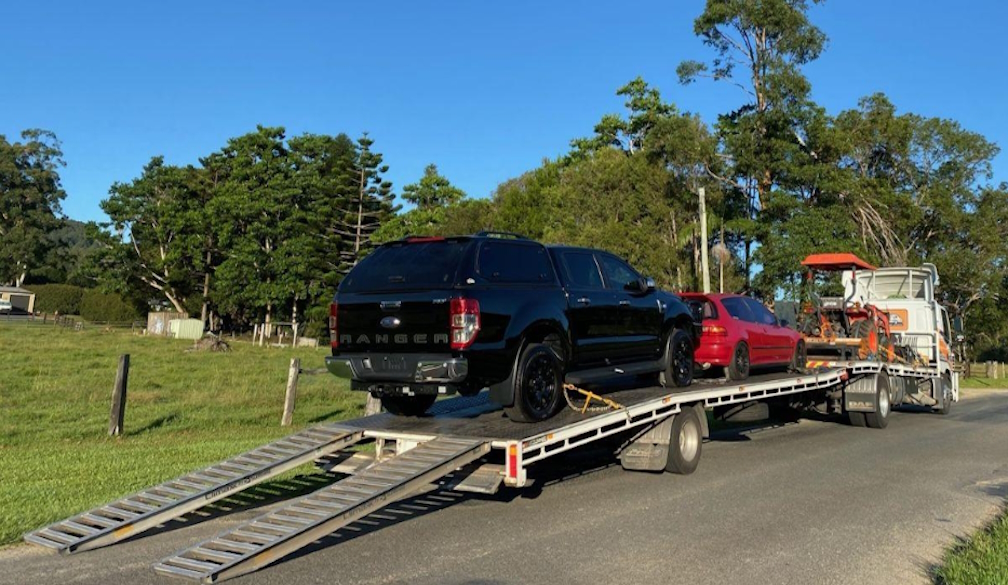
There’s no sign of the northern migration slowing down, with thousands of southerners fleeing from chaotic lifestyles and cooler climates for a brig...
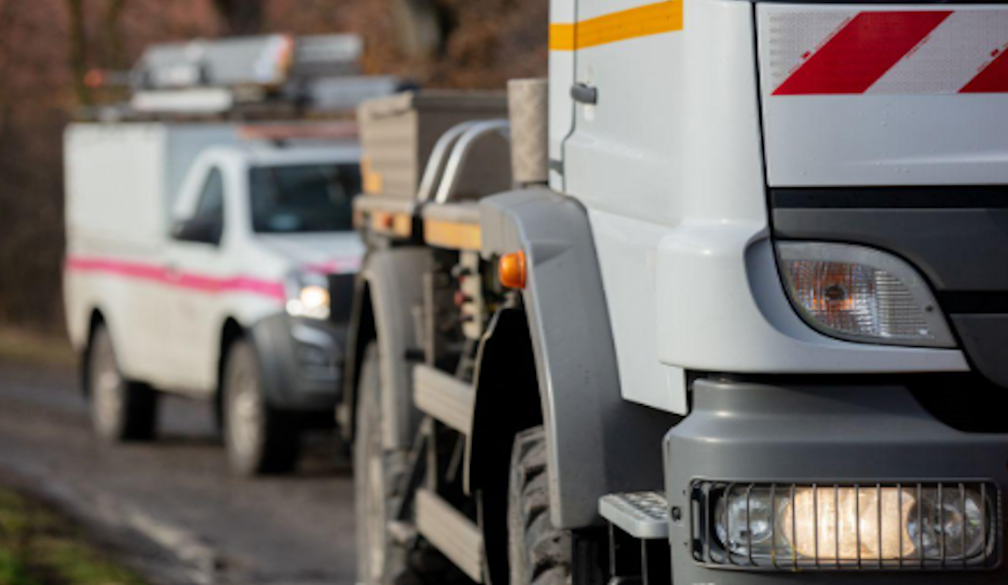
Diesel Shortage to Impact Trades and Contractors

Strait of Hormuz blockage affecting all major parts of trades and construction Trades and construction across residential, commercial and industria...
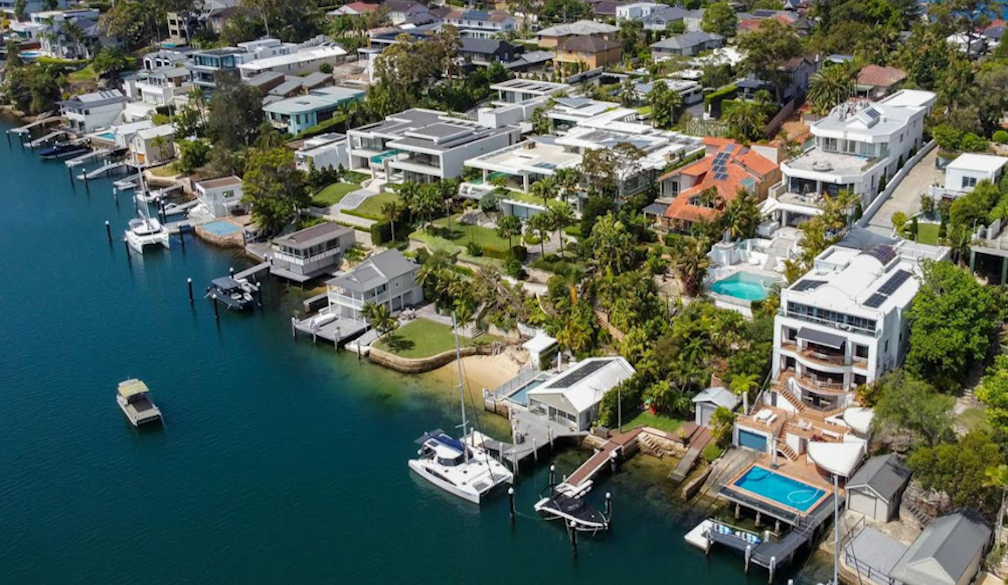
Why Holiday Home Owners Turn to Rental Management Agents

The Allure — and the Reality — of Renting Out Your Property Owning a holiday home is a dream for many Australians. Whether it's a beachside sha...

Why Finding Reliable Doctors In Bundoora Is Important For Long-Term Health

Access to quality healthcare plays an important role in maintaining overall wellbeing and managing health concerns early. Trusted Doctors in Bundoor...

Understanding the Different Types of Car Services: Minor vs Major

When it comes to car maintenance, one of the most important things every vehicle owner should understand is the difference between a minor and a maj...

How Superannuation and TPD Insurance Work Together

Superannuation is an essential part of financial planning in Australia. It is designed to provide individuals with income during retirement, helping...
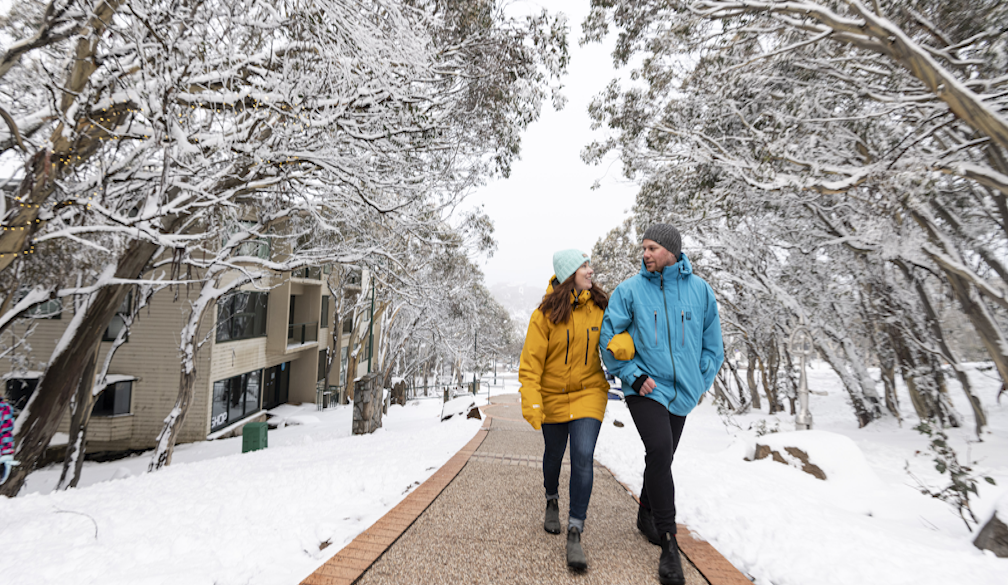
Tiny Towns funding granted for Mt Hotham and Mt Buller upgrades

Alpine Resorts Victoria (ARV) has welcomed funding support from the Victorian Government’s  Tiny Towns Fund, with both Mt Hotham and Mt Buller se...