What’s the latest on GMOs and gene-edited foods – and what are the concerns? An expert explains
- Written by Karen Massel, Research Fellow, Centre for Crop Science, The University of Queensland
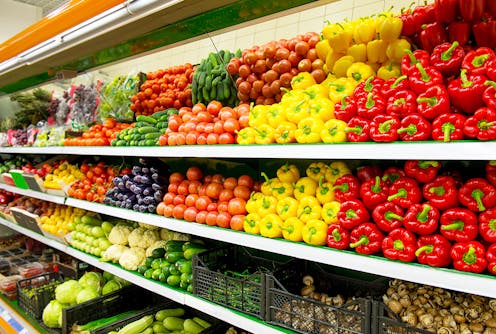
Advances in genetic engineering have given rise to an era of foods – including genetically modified organisms (GMOs) and gene-edited foods – that promise to revolutionise the way we eat.
Critics argue these foods could pose risks to human health and the environment. Proponents point to their potential for enhancing yields, reducing food waste, and even combating climate change.
What are GMOs and gene-edited foods? And how are they shaping the future of our food systems?
GMOs and gene-edited foods aren’t the same
GMOs are organisms whose genetic material has been artificially altered by inserting a piece of foreign DNA. This DNA may be synthetic in origin or sourced from other organisms.
Gene editing involves making precise changes to an organism’s genome without the integration of foreign DNA elements. Using techniques such as CRISPR/Cas, scientists make precise “cuts” in the DNA to create new genetic variation. Unlike with GMOs, this introduces only minor modifications, which are indistinguishable from natural mutations.
Although GMOs and gene-edited foods have been in circulation for almost three decades, research in this space continues to deliver breakthroughs. These technologies are being applied to provide a range of benefits, from improved nutrition in food, to reduced food waste and increased crop tolerance against climate stresses.
Read more: What is CRISPR, the gene editing technology that won the Chemistry Nobel prize?
What are the concerns?
The major criticisms of GMOs are related to the overuse of specific herbicides.
GMOs are mainly used to produce crops that are herbicide-resistant or produce pesticides. Farmers can then use herbicides on those crops to control weeds more effectively, without the plants themselves dying. This leads to higher yields on less land, and often with less chemicals used overall.
However, these crops rely on the use of said lab-made chemicals. And although the government regulates them, ethical and safety debates continue. People raise concerns over potential long-term health impacts, impacts on biodiversity and ecosystems, and the increased corporate control over agriculture.
Concerns generally aren’t related to the actual manipulation of the plants’ DNA.
Is genetic modification itself unsafe?
When it comes to the food we eat, how much do we really know about its DNA? Even among experts with genome-sequencing information, most have only one or a few sequenced “reference” varieties, and these often aren’t the same as the plants we eat.
The fact is, we don’t really understand the genomes of many plants and animals we eat. So there’s no reason to suggest tweaking their gene sequences will make consumption harmful. Moreover, there’s currently no evidence regulator-approved GMOs or gene-edited foods aren’t safe for human consumption.
In regards to food safety, one valid concern would be the potential creation of new allergens: proteins within the crop the body recognises and creates an immune response to.
But it’s important to remember many foods we eat are already allergenic. Common examples include wheat, peanuts, soy, milk and eggs. Some common foods are even toxic if consumed in large quantities or without appropriate preparation, such as rhubarb leaves, raw cassava, raw kidney beans and raw cashews.
Ironically, researchers are using gene editing to work towards eliminating proteins that cause allergies and intolerances. Gluten-free wheat is one example.
GMOs and gene-edited foods are widespread
Due to inconsistent rules about labelling GMOs and gene-edited foods around the world, many consumers may not realise they’re already eating them.
For example, the most widely used enzyme in cheese-making, rennet, is produced from a GMO bacterium. GMO microbial rennet produces a specific enzyme called chymosin, which helps coagulate milk and form curds. Historically, chymosin was extracted from young cow stomachs, but in the 1990s scientists managed to genetically engineer a bacterium to synthesise it.
GMOs and gene-edited cereal and oilseed products are also widely used in stockfeeds. There is ongoing research to improve feed through enhanced nutrition, and produce crops that will decrease methane emissions from cattle.
When it comes to modifying animals themselves, ethical considerations must be balanced alongside potential benefits.
In Australia, about 70% of cattle are genetically polled (hornless). Having polled cows improves meat quality through less injury to meat, and is considered better for animal welfare. In the US, fast-growing genetically modified salmon has been approved for consumption.
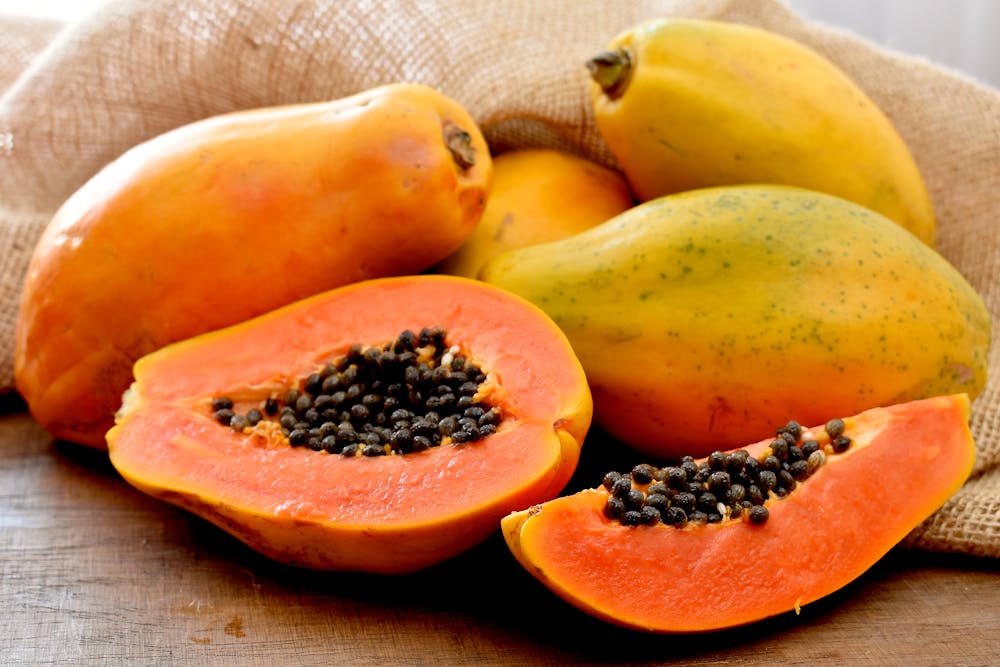
In a horticultural context, the genetically modified rainbow papaya stands out. It was developed in the late 1990s in response to a ringspot virus outbreak that nearly wiped out the global papaya industry. Researchers created the virus-resistant “transgenic” papaya, which now makes up the majority of papayas consumed worldwide.
In terms of boosting nutritional content, “golden rice” biofortified with Vitamin A (GMO) is being cultivated in the Philippines, as are tomatoes biofortified with Vitamin D (GE) in the United Kingdom, and GABA-enriched tomatoes (GE) in Japan.
Research is also being done to create non-browning mushrooms, apples and potatoes. A simple gene edit can help inhibit the browning oxidation reaction, leading to a longer shelf-life and less food waste.
Regulation in Australia and New Zealand
So why don’t you see non-browning mushrooms at your local supermarket?
In Australia, the Office of the Gene Technology Regulator regulates GMOs. It has approved four GMO crops for cultivation: cotton, canola, safflower and Indian mustard. However, many more are imported for food ingredients (including modified soy, cottonseed oil, corn and sugar beet) and stockfeed (canola, maize and soy).
Gene-edited foods can be cultivated without any regulatory restrictions or labelling in Australia. The Gene Technology Act 2000 deregulated these products in 2019.
On the other hand, New Zealand’s Environmental Protection Authority has maintained regulatory restrictions on both gene-edited foods and GMOs. Divergent definitions have led the bi-national agency Food Standards Australia New Zealand (FSANZ) to adopt a cautious approach, regulating gene-edited foods and feeds as GMOs.
The lack of alignment in definitions in Australian has confused producers and consumers alike. FSANZ has said it will continue to monitor developments in gene-editing technology, and will consider reviewing its regulatory approach.
Responsible research
Both GMOs and gene-edited foods offer great promise. Of course there are valid concerns, such as the potential to create new allergens, unintended consequences for ecosystems, and growing corporate control over food. But these can be addressed through responsible research and regulatory frameworks.
Ultimately, the development of future foods must be guided by a commitment to sustainability, social justice and scientific rigour.
Authors: Karen Massel, Research Fellow, Centre for Crop Science, The University of Queensland