Am I too old to build muscle? What science says about sarcopenia and building strength later in life
- Written by David Scott, Associate Professor (Research) and NHMRC Emerging Leadership Fellow, Deakin University
Sarcopenia is the progressive and accelerated loss of muscle mass and strength as we age.
The term was coined in the 1980s, and the condition has been recognised as a disease for less than a decade, but the concept is as old as time: use it or lose it.
But what if you’re in your 60s, 70s, 80s or 90s? Is it “too late” to build muscle and fight sarcopenia? Here’s what the research says.
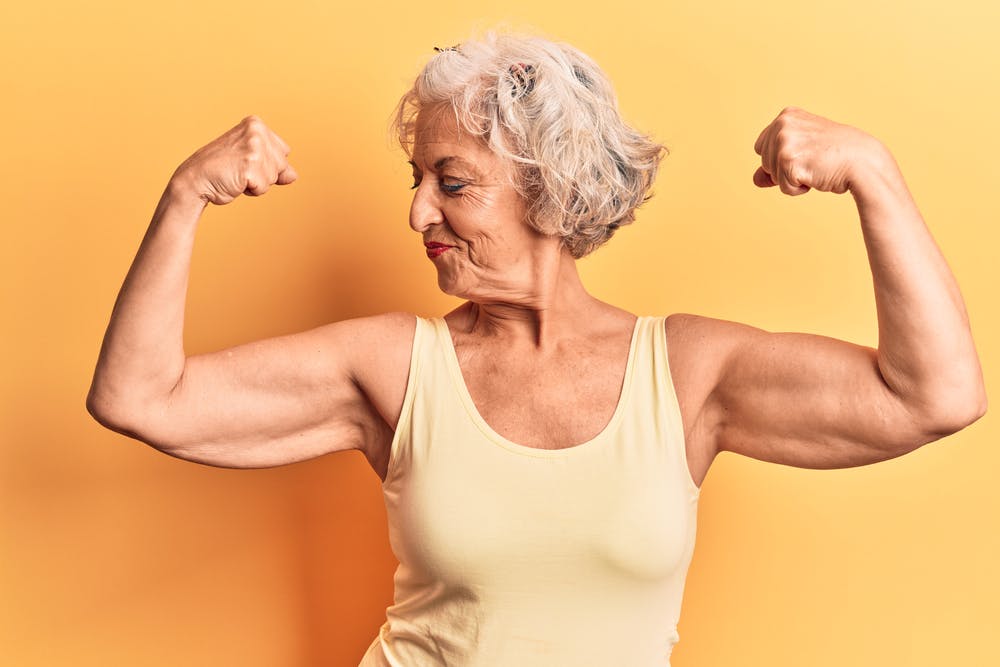
Sarcopenia isn’t just unfortunate. It’s dangerous
All of us will start to gradually lose muscle from our mid-30s, but this loss accelerates in later years. For up to 30% of adults aged over 60, the declines are substantial enough to meet the definition for sarcopenia.
Sarcopenia increases your risk of falls, fractures, hospitalisation, loss of independence and many other chronic diseases.
However, people who are active in early life and maintain this as they age can delay or prevent the onset of sarcopenia.
The good news is it’s never too late to make a start, even if you are already experiencing the debilitating effects of sarcopenia.
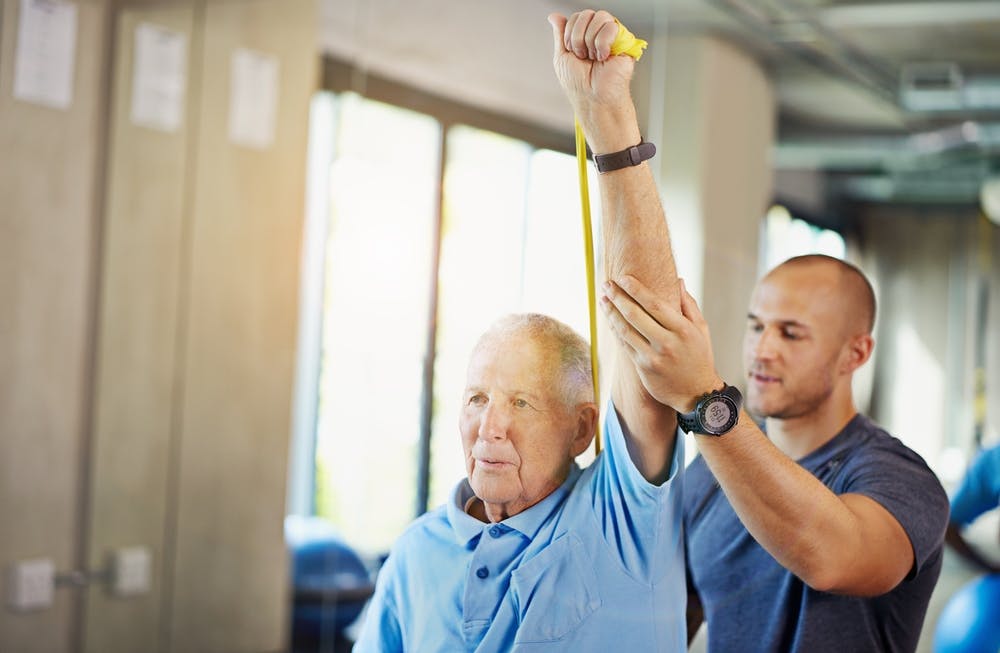 It’s never too late to make a start.
Shutterstock
It’s never too late to make a start.
Shutterstock
What the science says
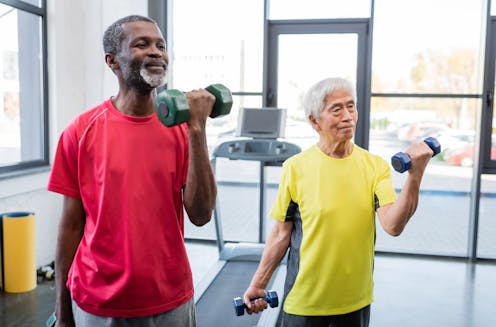
Resistance training is the most effective way to build and strengthen muscle at all ages. That means things like:
lifting free weights like dumbbells
using machine weights, like you find in a gym
using resistance bands
bodyweight exercises such as push-ups, squats, wall-sits or tricep dips.
It’s OK to start with even very light weights, or do modified, easier versions of bodyweight exercises (for example, you might do a shallow squat rather than a deep one, or a push-up against a wall or windowsill instead of on the floor). Something is always better than nothing.
Aim to make the exercise harder over time. Lift progressively heavier weights or do increasingly harder versions of bodyweight or resistance band exercises. This is called progressive resistance training.
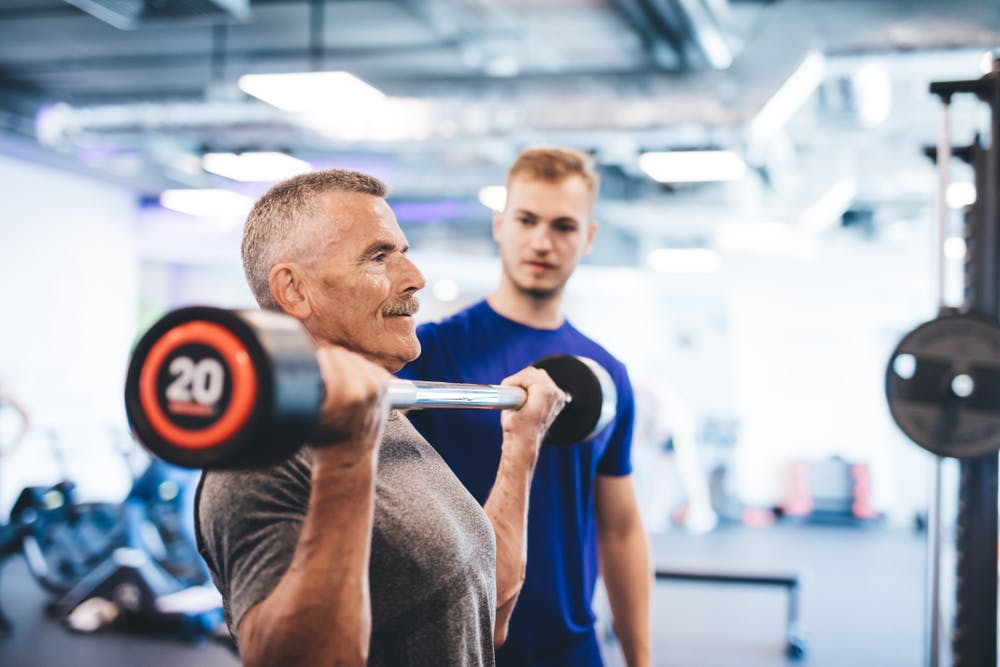 Aim to make the exercise harder over time.
Shutterstock
Aim to make the exercise harder over time.
Shutterstock
Clinical trials have consistently shown all adults – even very frail people over the age of 75 – can make significant gains in muscle mass and strength by doing progressive resistance training at least twice a week. The improvements can be seen in as little as eight weeks.
One seminal study included ten frail, institutionalised 86–96 year olds who did a high-intensity progressive resistance training program.
After just eight weeks, the average mid-thigh muscle area had increased by almost 10% (which is equivalent to the amount of muscle typically lost over a decade) and leg strength increased by about 180%.
In other words, these older people were almost three times stronger at the end of the short training program than before.
It really can be done. British-Swiss man Charles Eugster (1919–2017), for example, took up progressive resistance training in his late 80s after noticing a decline in his muscle mass. He went on to become a bodybuilder, and in 2012 gave a TEDx talk titled “Why bodybuilding at age 93 is a great idea”.
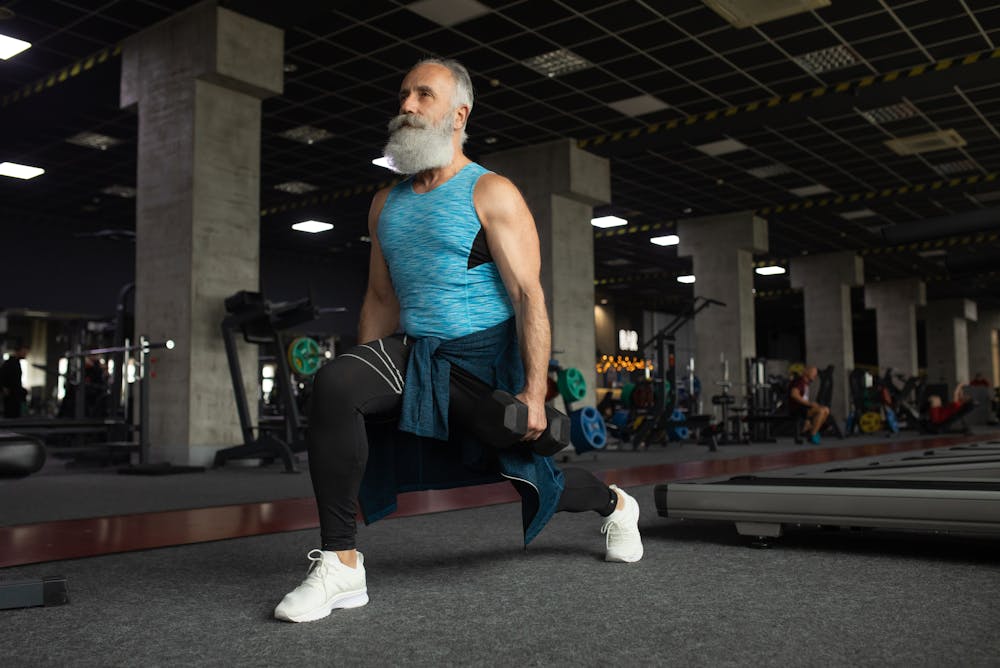 Resistance training is the most effective way to build and strengthen muscle at all ages.
Shutterstock
Resistance training is the most effective way to build and strengthen muscle at all ages.
Shutterstock
What if my doctor has told me to lose weight?
Many older adults have obesity, which increases the risk of cardiovascular disease and type 2 diabetes.
They’re often told to lose weight, but any dieting (or other strategy aimed at weight loss) also usually causes muscle loss.
Losing muscle mass in older age could increase the risk for many common chronic conditions. For example, muscle is crucial to keeping blood sugar levels under control, so excessive muscle loss could blunt the benefits of weight loss for people with type 2 diabetes.
If you’re losing weight, it’s important to try to minimise muscle mass loss at the same time. How? Progressive resistance training.
By combining progressive resistance training with weight loss, one study found the resulting muscle loss is negligible. (It’s also important that if you are dieting, you are still eating enough protein, so your body has the ingredients it needs to build new muscle).
Exercise training during weight loss can also prevent bone loss, which reduces fracture risk in older people.
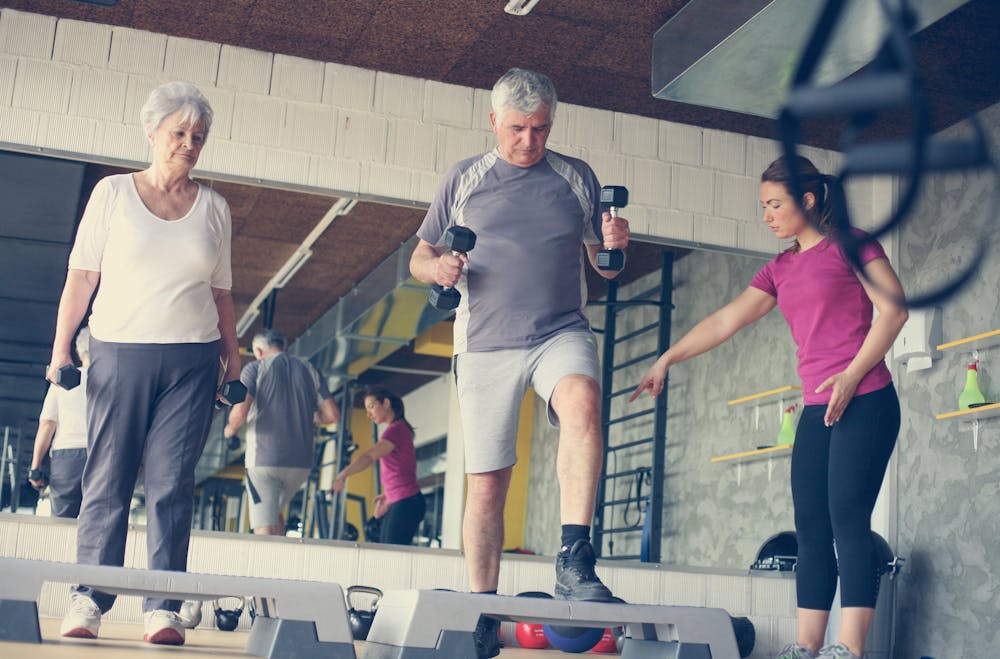 An accredited exercise professional can help design a program that suits you.
Shutterstock
An accredited exercise professional can help design a program that suits you.
Shutterstock
Aim for at least twice a week – more if you can
Whether or not you’re trying to lose weight, and regardless of whether you think you have sarcopenia, all older adults can benefit from strengthening their muscles.
Even if getting to a gym or clinic is hard, there are plenty of resistance exercises you can do at home or outdoors that will help build strength.
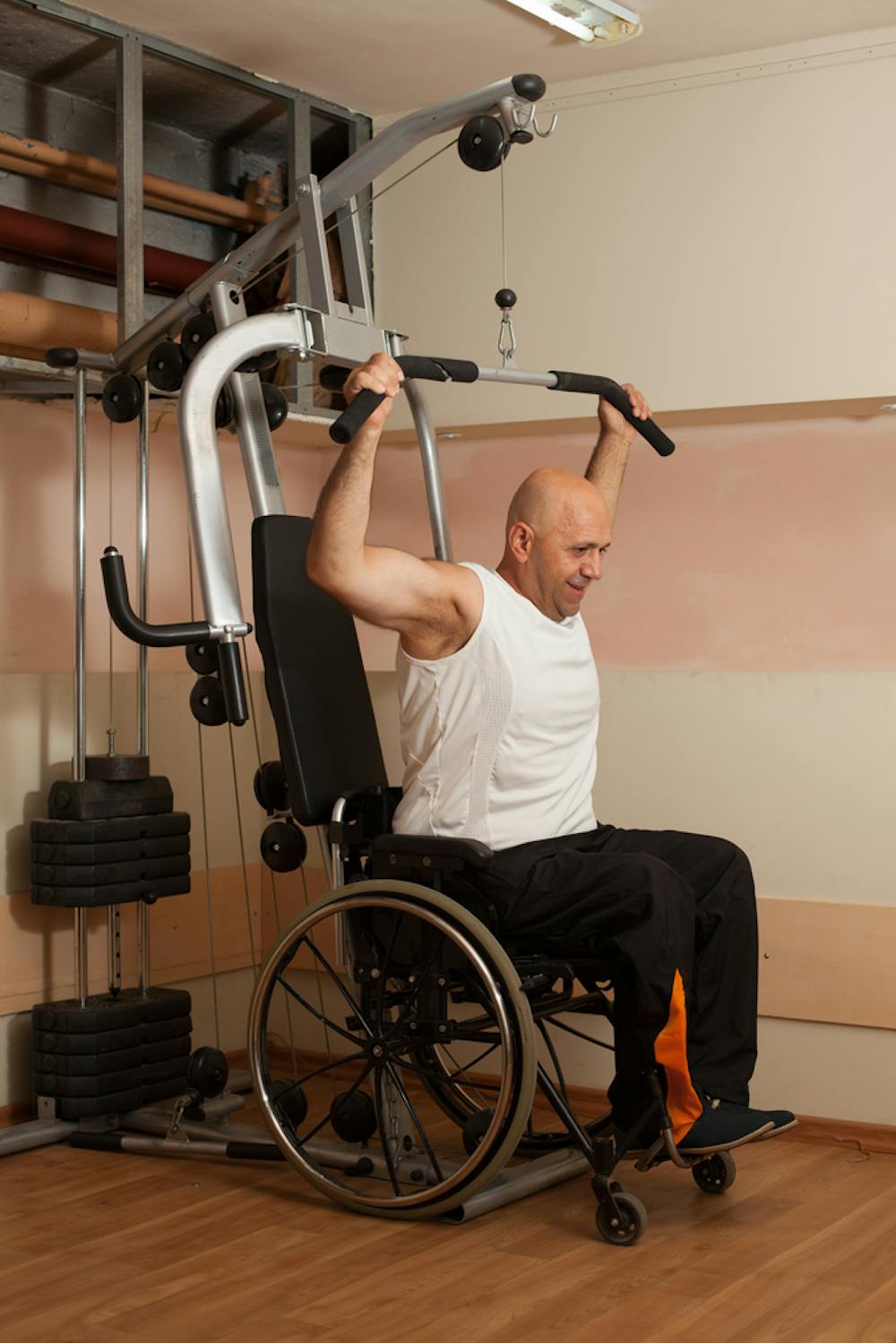 All older adults can benefit from strengthening their muscles.
Shutterstock
All older adults can benefit from strengthening their muscles.
Shutterstock
Talk to a health professional before starting a moderate to high intensity progressive resistance training program. An accredited exercise professional can help design a program that suits you.
Generally, we should aim to do progressive resistance training at least twice a week.
Try to target 8–10 muscle groups, and start out at about 30–40% of your maximum effort before progressing over time to 70–80% of your maximum.
As the name suggests, it is key to progressively increase the effort or challenge of your program so you can feel the improvements and achieve your goals.
It’s never too late to start training for your fight against sarcopenia and loss of independence in older age. The health benefits will be worth it. As Socrates said in the 4th Century BC:
is not the bodily habit spoiled by rest and idleness, but preserved for a long time by motion and exercise?
Read more: Use it or rapidly lose it: how to keep up strength training in lockdown
Authors: David Scott, Associate Professor (Research) and NHMRC Emerging Leadership Fellow, Deakin University