Do you need to wash rice before cooking? Here's the science
- Written by Evangeline Mantzioris, Program Director of Nutrition and Food Sciences, Accredited Practising Dietitian, University of South Australia
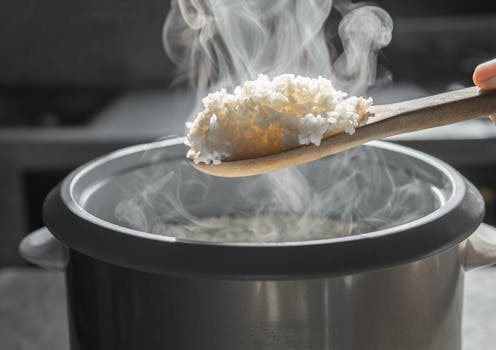
Rice is a staple food for billions of people in Asia and Africa. It’s also a versatile ingredient for many iconic dishes from around the world, including dolmades from Greece, risottos from Italy, paella from Spain and rice puddings from the United Kingdom.
Despite its universal appeal, the question asked in every kitchen, be it a professional one or your own home, is whether you should pre-wash (or rinse) your rice before cooking.
What do chefs and cooks say?
Culinary experts claim pre-washing rice reduces the amount of starch coming from the rice grains. You can see this in the cloudy rinse water, which studies have shown to be the free starch (amylose) on the surface of the rice grain produced by the milling process.
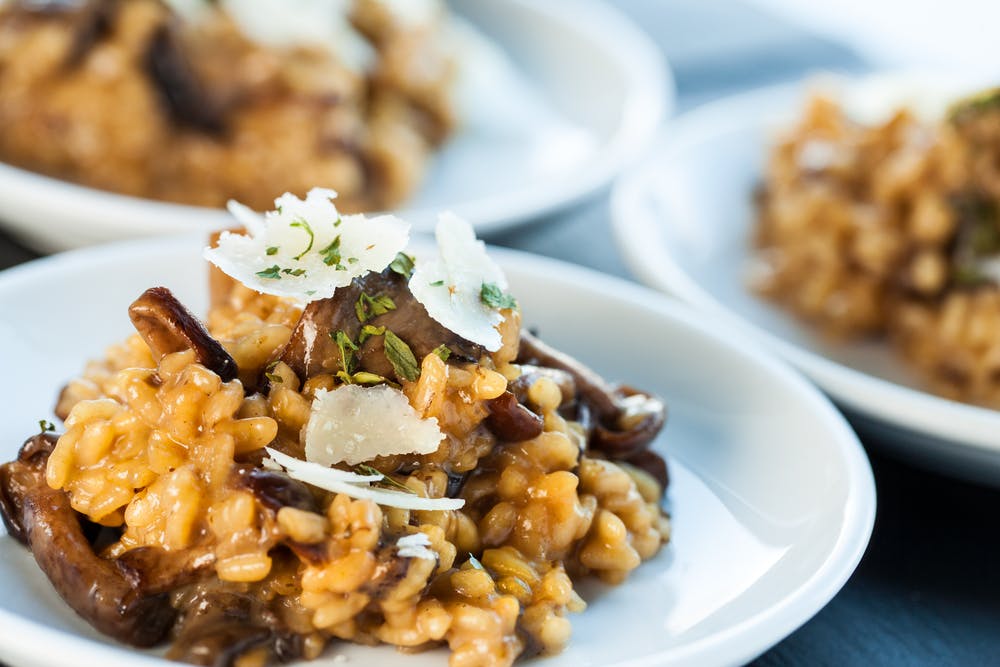
In culinary circles, washing is advocated for some dishes when a separated grain is sought after. Yet for other dishes such as risottos, paella and rice puddings (where you need a sticky, creamy effect), washing is avoided.
Other factors, such as the type of rice, family tradition, local health warnings and even the perceived time and effort required will influence whether people pre-wash their rice.
Is there evidence that washing rice makes it less sticky?
A recent study compared the effect of washing on the stickiness and hardness of three different types of rice from the same supplier. The three types were glutinous rice, medium grain rice and jasmine rice. These different rices were either not washed at all, washed three times with water, or washed ten times with water.
Contrary to what chefs will tell you, this study showed the washing process had no effect on the stickiness (or hardness) of the rice.
Instead, the researchers demonstrated the stickiness was not due to the surface starch (amylose), but rather a different starch called amylopectin that is leached out of the rice grain during the cooking process. The amount leached differed between the types of rice grains.
So, it’s the variety of rice – rather than washing – that’s critical to the stickiness. In this study, glutinous rice was the stickiest, while medium grain rice and jasmine rice were less sticky, and also harder as tested in the laboratory. (Hardness is representative of the textures associated with biting and chewing.)
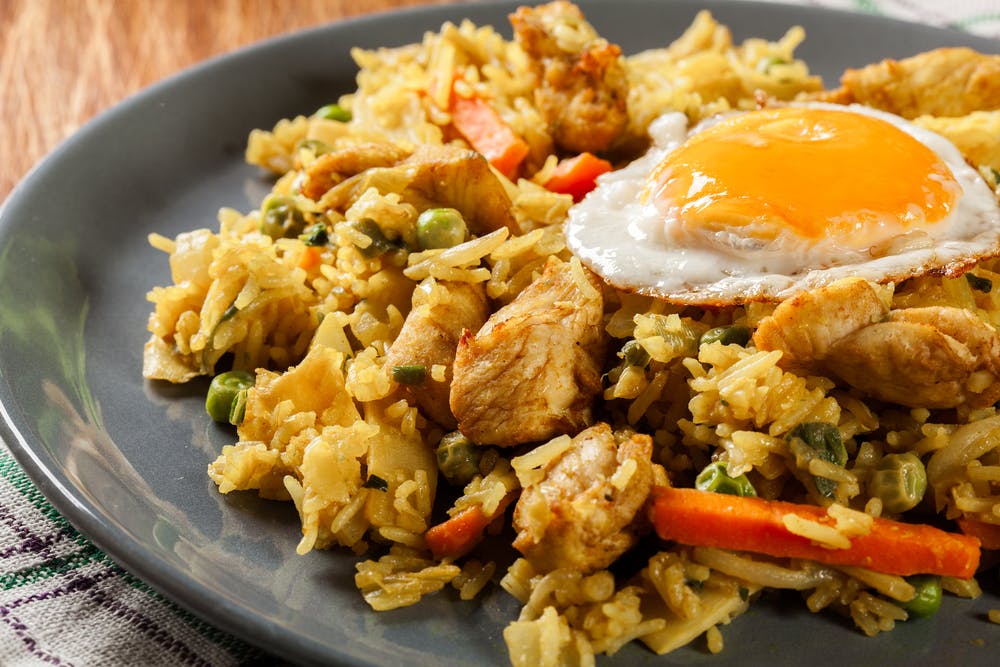 Fried rice dishes, such as nasi goreng, tend to use less sticky varieties of rice, leading to a more fluffy texture.
Shutterstock
Fried rice dishes, such as nasi goreng, tend to use less sticky varieties of rice, leading to a more fluffy texture.
Shutterstock
You may still want to wash your rice, though
Traditionally rice was washed to rinse off dust, insects, little stones and bits of husk left from the rice hulling process. This may still be important for some regions of the world where the processing is not as meticulous, and may provide peace of mind for others.
More recently, with the heavy use of plastics in the food supply chain, microplastics have been found in our foods, including rice. The washing process has been shown to rinse up to 20% of the plastics from uncooked rice.
This same study found that irrespective of the packaging (plastic or paper bags) you buy rice in, it contains the same level of microplastics. The researchers also showed plastics in (pre-cooked) instant rice have been found to be fourfold higher than in uncooked rice. If you pre-rinse instant rice, you could reduce plastics by 40%.
Read more: You're eating microplastics in ways you don't even realise
Rice is also known to contain relatively high levels of arsenic, due to the crop absorbing more arsenic as it grows. Washing rice has been shown to remove about 90% of bio-accessible arsenic, but it also rinses out a large amount of other nutrients important for our health, including copper, iron, zinc and vanadium.
For some people, rice offers a small percentage of their daily intake of these nutrients and hence will have a small impact on their health. But for populations that consume large amounts of heavily washed rice daily, it could impact their overall nutrition.
Another study looked at other heavy metals, lead and cadmium, in addition to arsenic; it found that pre-washing decreased levels of all these from between 7–20%. The World Health Organization has warned of the risk of arsenic exposure from water and food.
Arsenic levels in rice vary depending on where it’s grown, the cultivars of rice and the ways it is cooked. The best advice remains to pre-wash your rice and ensure you consume a variety of grains. The most recent study in 2005 found that the highest level of arsenic was in the United States. However it is important to keep in mind that arsenic is present in other foods including products made from rice (cakes, crackers, biscuits and cereals), seaweed, seafood and vegetables.
Read more: High levels of cancer-causing arsenic in rice – so why isn’t it regulated in our food?
Can washing rice prevent bacteria?
In short, no. Washing rice will have no effect on the bacterial content of the cooked rice, as high cooking temperatures will kill all bacteria present.
What is more concerning is how long you store cooked rice or washed rice at room temperature. Cooking rice does not kill the bacterial spores from a pathogen called Bacillus cereus.
If wet rice or cooked rice is kept at room temperature, this can activate the bacterial spores and they begin to grow. These bacteria then produce toxins which can not be deactivated by cooking or re-heating; these toxins can cause severe gastrointestinal disease. So, make sure you avoid keeping washed or cooked rice at room temperature for too long.
Authors: Evangeline Mantzioris, Program Director of Nutrition and Food Sciences, Accredited Practising Dietitian, University of South Australia
Read more https://theconversation.com/do-you-need-to-wash-rice-before-cooking-heres-the-science-204692