Modern Australian
The Times

Peter Singer on climate change

  • Written by Peter Singer, Professor of Bioethics in the Center for Human Values, Princeton University
Peter Singer on climate change

I wasn’t aware of climate change until the 1980s — hardly anyone was — and even when we recognised the dire threat that burning fossil fuels posed, it took time for the role of animal production in warming the planet to be understood.

Today, though, the fact that eating plants will reduce your greenhouse gas emissions is one of the most important and influential reasons for cutting down on animal products and, for those willing to go all the way, becoming vegan.

Read more: Peter Singer's fresh take on Animal Liberation – a book that changed the world, but not enough

A few years ago, eating locally — eating only food produced within a defined radius of your home — became the thing for environmentally conscious people to do, to such an extent that “locavore” became the Oxford English Dictionary’s “word of the year” for 2007.
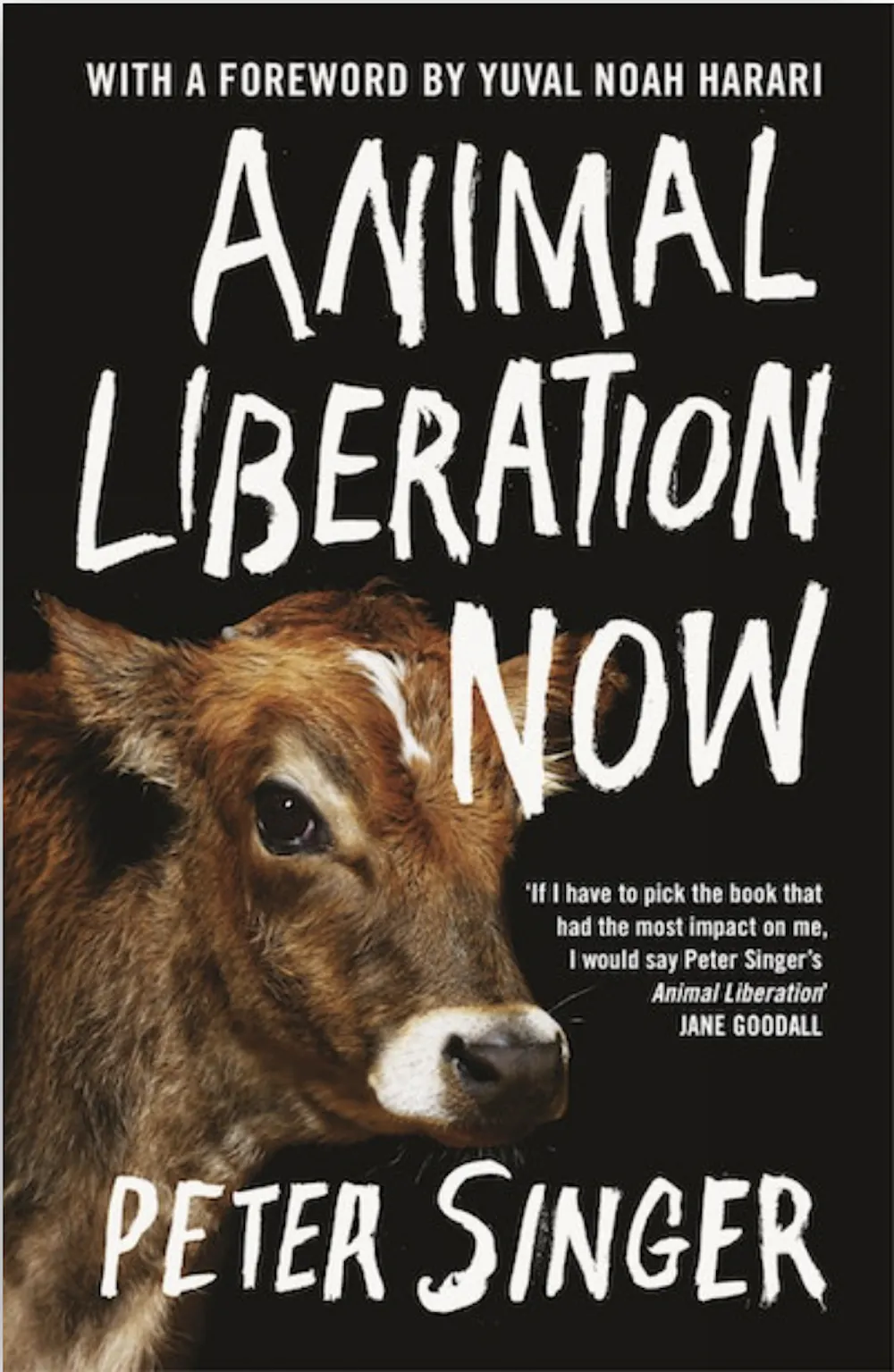
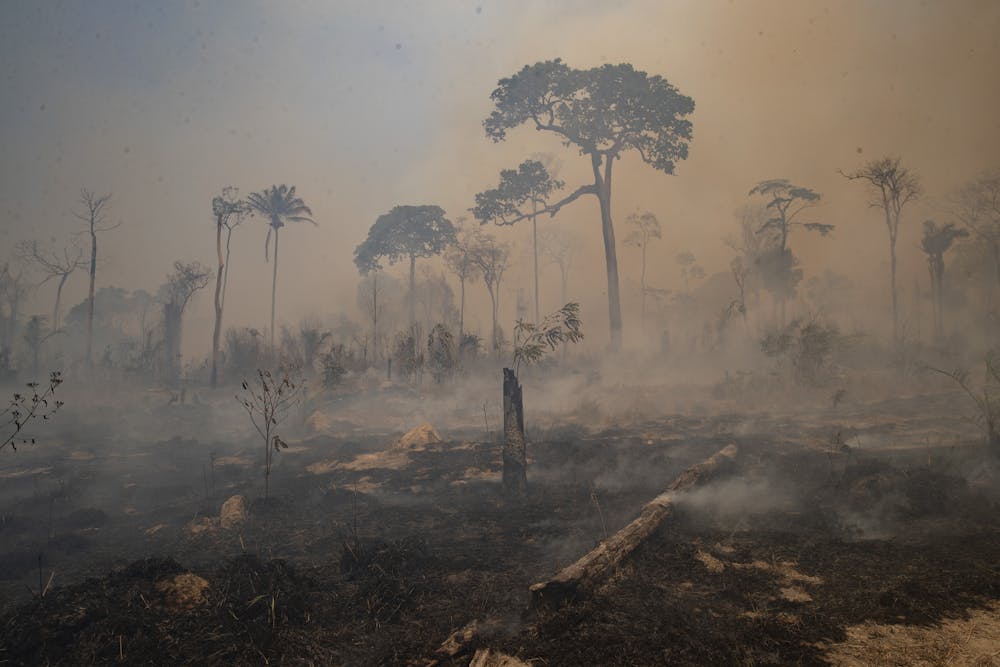
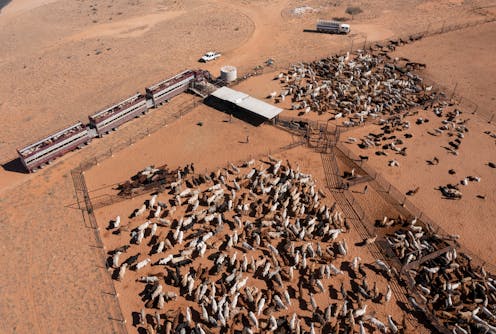
If you enjoy getting to know and support your local farmers, of course, eating locally makes sense. But if your aim is, as many local eaters said, to reduce greenhouse gas emissions, you would do much better by thinking about what you are eating, rather than where it comes from. That’s because transport makes up only a tiny share of the greenhouse gas emissions from the production and distribution of food. With beef, for example, transport is only 0.5% of total emissions. So if you eat local beef you will still be responsible for 99.5% of the greenhouse gas emissions your food would have caused if you had eaten beef transported a long distance. On the other hand, if you choose peas you will be responsible for only about 2% of the greenhouse gas emissions from producing a similar quantity of local beef. And although beef is the worst food for emitting greenhouse gases, a broader study of the carbon footprints of food across the European Union showed that meat, dairy and eggs accounted for 83% of emissions, and transport for only 6%. More generally, plant foods typically have far lower greenhouse gas emissions than any animal foods, whether we are comparing equivalent quantities of calories or of protein. Beef, for example, emits 192 times as much carbon dioxide equivalent per gram of protein as nuts, and while these are at the extremes of the protein foods, eggs, the animal food with the lowest emissions per gram of protein, still has, per gram of protein, more than twice the emissions of tofu. Animal foods do even more poorly when compared with plant foods in terms of calories produced. Beef emits 520 times as much per calorie as nuts, and eggs, again the best-performing animal product, emit five times as much per calorie as potatoes. Favourable as these figures are to plant foods, they leave out something that tilts the balance even more strongly against animal foods in the effort to avoid catastrophic climate change: the “carbon opportunity cost” of the vast area of land used for grazing animals and the smaller, but still very large, area used to grow crops that are then fed — wastefully, as we have seen — to confined animals. Because we use this land for animals we eat, it cannot be used to restore native ecosystems, including forests, which would safely remove huge amounts of carbon from the atmosphere. One study has found that a shift to plant-based eating would free up so much land for this purpose that seizing the opportunity would give us a 66% probability of achieving something that most observers believe we have missed our chance of achieving: limiting warming to 1.5℃. Another study has suggested that a rapid phaseout of animal agriculture would enable us to stabilise greenhouse gases for the next 30 years and offset more than two-thirds of all carbon dioxide emissions this century. According to the authors of this study: The magnitude and rapidity of these potential effects should place the reduction or elimination of animal agriculture at the forefront of strategies for averting disastrous climate change. Read more: 'It can be done. It must be done': IPCC delivers definitive report on climate change, and where to now Climate change is undoubtedly the biggest environmental issue facing us today, but it is not the only one. If we look at environmental issues more broadly, we find further reasons for preferring a plant-based diet. Smoky landscape photo, fire consumed land recently deforested by cattle farmers near Novo Progresso, Para state, Brazil. Fires in the Amazon and linked to cattle ranching. Andre Penner/AP Photo The clearing and burning of the Amazon rainforest means not only the release of carbon from the trees and other vegetation into the atmosphere, but also the likely extinction of many plant and animal species that are still unrecorded. This destruction is driven largely by the prodigious appetite of the affluent nations for meat, which makes it more profitable to clear the forest than to preserve it for the indigenous people living there, establish an ecotourism industry, protect the area’s biodiversity, or keep the carbon locked up in the forest. We are, quite literally, gambling with the future of our planet for the sake of hamburgers. Joseph Poore, of the University of Oxford, led a study that consolidated a huge amount of environmental data on 38,700 farms and 1,600 food processors in 119 countries and covered 40 different food products. Poore summarised the upshot of all this research thus: A vegan diet is probably the single biggest way to reduce your impact on planet Earth, not just greenhouse gases, but global acidification, eutrophication, land use and water use. It is far bigger than cutting down on your flights or buying an electric car, as these only cut greenhouse gas emissions. Poore doesn’t see “sustainable” animal agriculture as the solution: Really it is animal products that are responsible for so much of this. Avoiding consumption of animal products delivers far better environmental benefits than trying to purchase sustainable meat and dairy. Those who claim to care about the wellbeing of human beings and the preservation of our climate and our environment should become vegans for those reasons alone. Doing so would reduce greenhouse gas emissions and other forms of pollution, save water and energy, free vast tracts of land for reforestation, and eliminate the most significant incentive for clearing the Amazon and other forests. This is an edited extract from Animal Liberation Now by Peter Singer (Penguin Random House). Authors: Peter Singer, Professor of Bioethics in the Center for Human Values, Princeton University

Read more https://theconversation.com/we-are-gambling-with-the-future-of-our-planet-for-the-sake-of-hamburgers-peter-singer-on-climate-change-207605

Chatswood Tutoring And Its Role In Academic Achievement

Academic success often requires more than classroom attendance alone. Students face increasing expectations as they progress through school, particu...

Why Laser Hair Removal Treatments Continue Growing In Popularity

Managing unwanted hair can become time-consuming and frustrating for many people, especially when shaving, waxing, and other temporary methods requi...

Choosing the Right Devices for a Flexible Workplace

For IT leaders managing large fleets, the device layer is where workforce productivity and security policy meet. The shift towards flexible and hybrid...

How Business Advisory Services Help Companies Achieve Sustainable Growth

Every business owner aims to build a profitable and sustainable organisation. While dedication, innovation, and hard work are important, achieving l...

Why Body Contouring Has Become A Popular Cosmetic Treatment

Many people maintain healthy lifestyles through regular exercise and balanced eating habits but still struggle with stubborn areas of fat that are d...

How to Choose the Right POS Hardware for Your Business in Australia

A lot of Australian business owners spend weeks researching POS software but buy hardware almost as an afterthought. That's a mistake. The wrong har...

Why Material Handling Hose Is Critical for Industrial Efficiency

A high-performance material handling hose is an essential component in industries that transport abrasive, dry, or bulk materials on a daily basis...

How to Choose the Right Lawyer in Melbourne for Your Situation

Choosing legal support can feel difficult, especially when the stakes are personal or business-related. The right lawyer in Melbourne should underst...

Hoteliers Look to Clever Value Adds to Increase Revenue

The Australian hospitality industry is still in recovery mode after a notoriously rough patch in recent years. While there has been a post-COVID tra...

Moving to Queensland? Here’s How to Prep Your Car for the Big Move North

There’s no sign of the northern migration slowing down, with thousands of southerners fleeing from chaotic lifestyles and cooler climates for a brig...

Diesel Shortage to Impact Trades and Contractors

Strait of Hormuz blockage affecting all major parts of trades and construction Trades and construction across residential, commercial and industria...

Why Holiday Home Owners Turn to Rental Management Agents

The Allure — and the Reality — of Renting Out Your Property Owning a holiday home is a dream for many Australians. Whether it's a beachside sha...

Why Finding Reliable Doctors In Bundoora Is Important For Long-Term Health

Access to quality healthcare plays an important role in maintaining overall wellbeing and managing health concerns early. Trusted Doctors in Bundoor...

Understanding the Different Types of Car Services: Minor vs Major

When it comes to car maintenance, one of the most important things every vehicle owner should understand is the difference between a minor and a maj...

How Superannuation and TPD Insurance Work Together

Superannuation is an essential part of financial planning in Australia. It is designed to provide individuals with income during retirement, helping...

Tiny Towns funding granted for Mt Hotham and Mt Buller upgrades

Alpine Resorts Victoria (ARV) has welcomed funding support from the Victorian Government’s  Tiny Towns Fund, with both Mt Hotham and Mt Buller se...

Locksmith Services: Why Professional Security Solutions Matter More Than Ever

Security is a critical concern for homeowners, businesses, and vehicle owners alike. Whether it involves protecting a property, replacing damaged lo...

Why Tooth Fillings Are Important For Protecting Damaged Teeth

Cavities and minor tooth damage are common dental problems that can worsen if left untreated. Professional tooth fillings help restore damaged teeth, ...