Modern Australian
The Times

Bees are astonishingly good at making decisions – and our computer model explains how that's possible

  • Written by Andrew Barron, Professor, Macquarie University
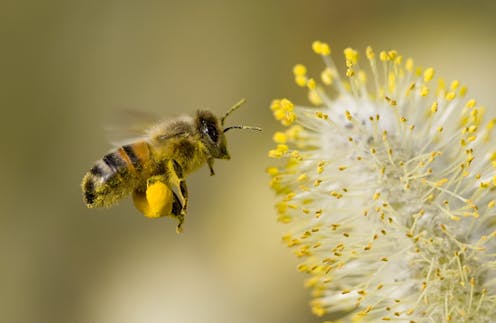
Bees are astonishingly good at making decisions – and our computer model explains how that's possible

A honey bee’s life depends on it successfully harvesting nectar from flowers to make honey. Deciding which flower is most likely to offer nectar is incredibly difficult.

Getting it right demands correctly weighing up subtle cues on flower type, age and history – the best indicators a flower might contain a tiny drop of nectar. Getting it wrong is at best a waste of time, and at worst means exposure to a lethal predator hiding in the flowers.

In new research published today in eLife our team reports how bees make these complex decisions.

Read more: Bees can do so much more than you think – from dancing to being little art critics

A field of artificial flowers

We challenged bees with a field of artificial flowers made from coloured disks of card, each of which offered a tiny drop of sugar syrup. Different-coloured “flowers” varied in their likelihood of offering sugar, and also differed in how well bees could judge whether or not the fake flower offered a reward.

We put tiny, harmless paint marks on the back of each bee, and filmed every visit a bee made to the flower array. We then used computer vision and machine learning to automatically extract the position and flight path of the bee. From this information, we could assess and precisely time every single decision the bees made.

We found bees very quickly learned to identify the most rewarding flowers. They quickly assessed whether to accept or reject a flower, but perplexingly their correct choices were on average faster (0.6 seconds) than their incorrect choices (1.2 seconds).

This is the opposite of what we expected.

Usually in animals – and even in artificial systems – an accurate decision takes longer than an inaccurate decision. This is called the speed-accuracy tradeoff.

This tradeoff happens because determining whether a decision is right or wrong usually depends on how much evidence we have to make that decision. More evidence means we can make a more accurate decision – but gathering evidence takes time. So accurate decisions are usually slow and inaccurate decisions are faster.

The speed-accuracy tradeoff occurs so often in engineering, psychology and biology, you could almost call it a “law of psychophysics”. And yet bees seemed to be breaking this law.

The only other animals known to beat the speed-accuracy tradeoff are humans and primates.

How then can a bee, with its tiny yet remarkable brain, be performing on a par with primates?
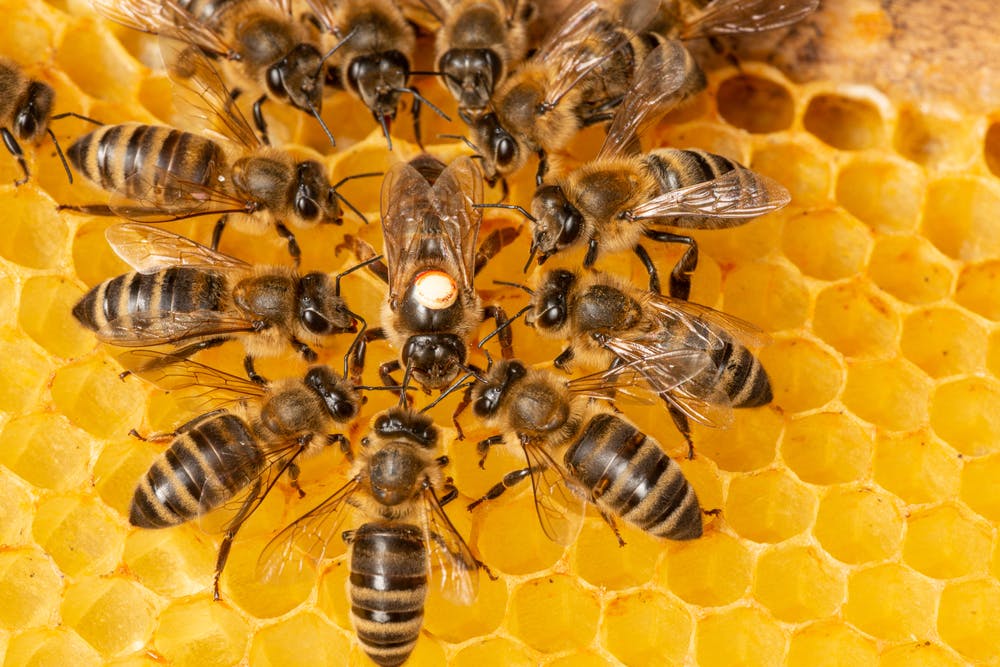
Several bees in a circular pattern on a honeycomb background, larger bee in the middle
Bees surrounding a queen bee marked with a dot on its back. Shutterstock

Bees avoid risk

To take apart this question we turned to a computational model, asking what properties a system would need to have to beat the speed-accuracy tradeoff.

We built artificial neural networks capable of processing sensory input, learning and making decisions. We compared the performance of these artificial decision systems to the real bees. From this we could identify what a system had to have if it were to beat the tradeoff.

The answer lay in giving “accept” and “reject” responses different time-bound evidence thresholds. Here’s what that means – bees only accepted a flower if, at a glance, they were sure it was rewarding. If they had any uncertainty, they rejected it.

This was a risk-averse strategy and meant bees might have missed some rewarding flowers, but it successfully focused their efforts only on the flowers with the best chance and best evidence of providing them with sugar.

Our computer model of how bees were making fast, accurate decisions mapped well to both their behaviour and the known pathways of the bee brain.

Our model is plausible for how bees are such effective and fast decision makers. What’s more, it gives us a template for how we might build systems – such as autonomous robots for exploration or mining – with these features.

Read more: It's bee season. To avoid getting stung, just stay calm and don't swat

Authors: Andrew Barron, Professor, Macquarie University
Read more https://theconversation.com/bees-are-astonishingly-good-at-making-decisions-and-our-computer-model-explains-how-thats-possible-208189

Why Material Handling Hose Is Critical for Industrial Efficiency

A high-performance material handling hose is an essential component in industries that transport abrasive, dry, or bulk materials on a daily basis...

How to Choose the Right Lawyer in Melbourne for Your Situation

Choosing legal support can feel difficult, especially when the stakes are personal or business-related. The right lawyer in Melbourne should underst...

Hoteliers Look to Clever Value Adds to Increase Revenue

The Australian hospitality industry is still in recovery mode after a notoriously rough patch in recent years. While there has been a post-COVID tra...

Moving to Queensland? Here’s How to Prep Your Car for the Big Move North

There’s no sign of the northern migration slowing down, with thousands of southerners fleeing from chaotic lifestyles and cooler climates for a brig...

Diesel Shortage to Impact Trades and Contractors

Strait of Hormuz blockage affecting all major parts of trades and construction Trades and construction across residential, commercial and industria...

Why Holiday Home Owners Turn to Rental Management Agents

The Allure — and the Reality — of Renting Out Your Property Owning a holiday home is a dream for many Australians. Whether it's a beachside sha...

Why Finding Reliable Doctors In Bundoora Is Important For Long-Term Health

Access to quality healthcare plays an important role in maintaining overall wellbeing and managing health concerns early. Trusted Doctors in Bundoor...

Understanding the Different Types of Car Services: Minor vs Major

When it comes to car maintenance, one of the most important things every vehicle owner should understand is the difference between a minor and a maj...

How Superannuation and TPD Insurance Work Together

Superannuation is an essential part of financial planning in Australia. It is designed to provide individuals with income during retirement, helping...

Tiny Towns funding granted for Mt Hotham and Mt Buller upgrades

Alpine Resorts Victoria (ARV) has welcomed funding support from the Victorian Government’s  Tiny Towns Fund, with both Mt Hotham and Mt Buller se...

Locksmith Services: Why Professional Security Solutions Matter More Than Ever

Security is a critical concern for homeowners, businesses, and vehicle owners alike. Whether it involves protecting a property, replacing damaged lo...

Why Tooth Fillings Are Important For Protecting Damaged Teeth

Cavities and minor tooth damage are common dental problems that can worsen if left untreated. Professional tooth fillings help restore damaged teeth, ...

The Connection Between Visibility and Driver Confidence

Operating a vehicle safely requires an immediate, uncompromised stream of visual information from the surrounding road environment. A driver's decis...

Important Things To Know Before Starting An SMSF Setup

Planning for retirement requires careful financial decisions, and many Australians are now looking for more direct control over how their superannua...

Why Retail Cleaning Plays a Key Role in Customer Experience and Business Success

Professional retail cleaning services are an essential part of maintaining a welcoming, safe, and professional environment for customers and staff...

Simple Ways to Make a Commercial Property More Appealing to Buyers

Selling or leasing a commercial property isn’t just about listing the square metres, taking a few photos and waiting for the right person to appea...

What Café Owners Should Know Before Upgrading Their Display Setup

A café display fridge does a lot more than keep cakes cold and sandwiches fresh. It quietly shapes the way customers browse, the way staff move beh...

Creating a Backyard That Feels Comfortable All Year Round

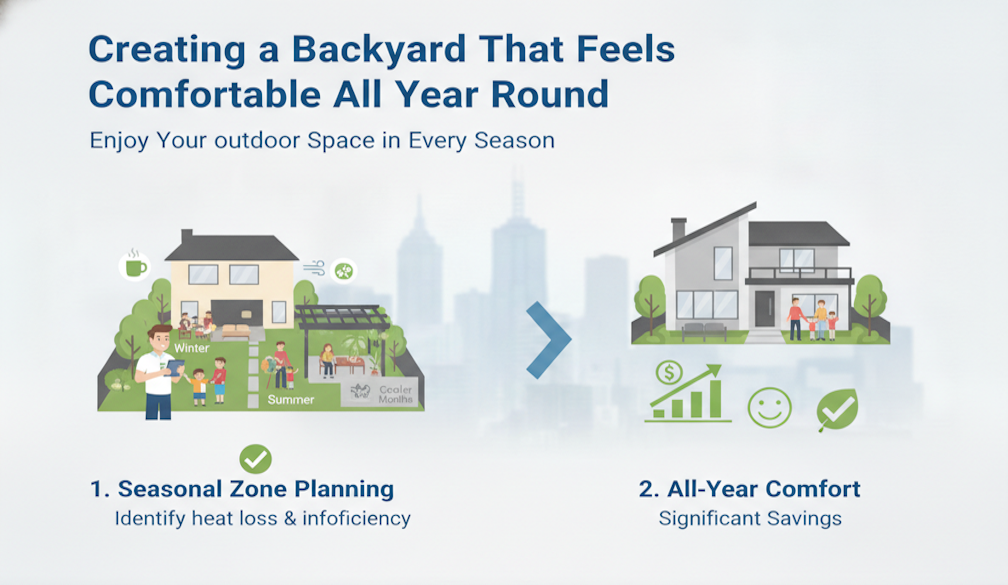
A great backyard doesn’t need to be huge, expensive or perfectly styled. Most of the time, the spaces people actually use are the ones that feel e...