

Does a woman's menstrual cycle affect her athletic performance? Here's what the science says
- Written by: Sara Chica-Latorre, Phd Candidate and Research Assistant, Research Institute for Sport and Exercise, University of Canberra
During the Women’s FIFA World Cup, it has been wonderful to see the spotlight turn to female athletes.
There’s always been more research on male athletes compared to female athletes, but the gap is narrowing.
One thing we still don’t know enough about is the effect of the menstrual cycle on athletic performance.
Read more: Explainer: why do women menstruate?
What does the menstrual cycle do to a woman’s body?
The menstrual cycle is a complex cascade of events typically lasting 28 days. The primary female sex hormones oestrogen and progesterone rise and fall as the body cycles through four phases, beginning at menstruation, maturation and releasing of an egg (ovulation), preparation for pregnancy, and restarting the cycle if the egg is not fertilised.
Fluctuations in female sex hormones have been associated with changes in inflammation, metabolism, muscle activation and body composition, which can influence athletic performance.
For instance, inflammation decreases when the body is preparing to ovulate, reaching its lowest point around ovulation. It then increases following ovulation and peaks during menstruation.
This peak coincides with lower perceived performance among many female athletes.
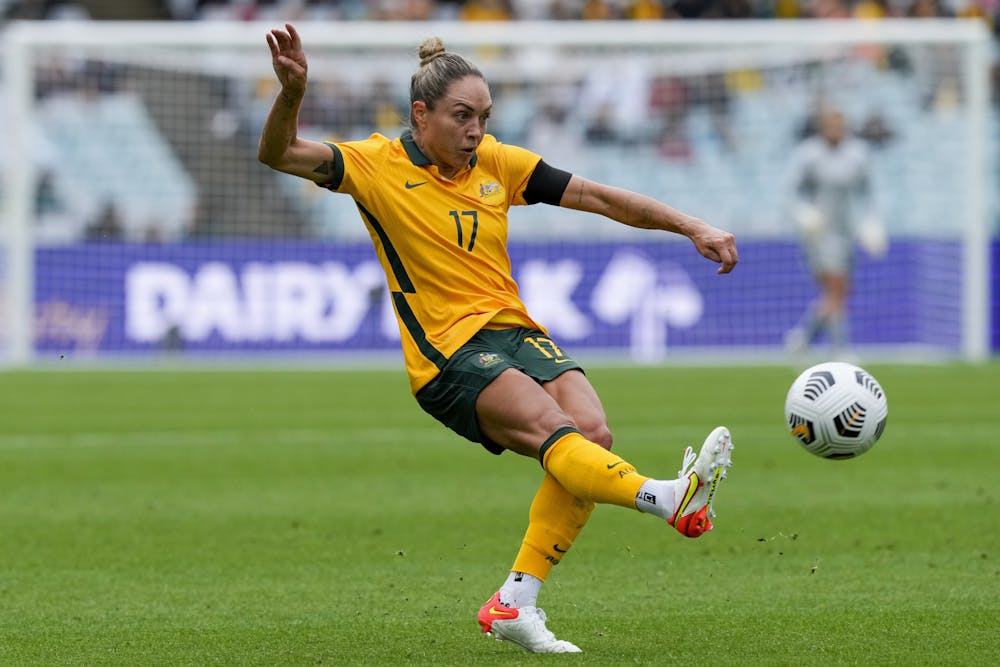
The menstrual cycle can also give rise to symptoms including pain, cramps, weakness, and poor sleep and focus, challenging performance during training and competition.
For example, research conducted in elite female soccer players found over 87% of players perceived reduced power and increased fatigue during menstruation, while over 66% perceived their reaction time and recovery to be affected.
Considering the approximate maximum career length of soccer players (21 years) and a woman’s fertile life, that adds up to about 250 times throughout a woman’s soccer career that performance may be compromised.
Trends observed among female soccer players closely mirror the experiences of other female athletes, with over 74% reporting negative effects mainly during the first days of menstruation.
For some, this may lead to reduced training participation, potentially compromising skill development, fitness levels, and even their chances of being selected for competition.
But the menstrual cycle is complex, and its effects can vary between athletes and sports. Consequently there is disagreement regarding whether the menstrual cycle universally affects athletic performance, with some research indicating no influence of the menstrual cycle on certain performance measures. But these studies are few and had various logistical limitations, including a small number of participants.
Also important to note is that most studies to-date have excluded women using hormonal contraceptives, which is about 50% of female athletes and 28% of female soccer players. The use of hormonal contraceptives suppresses natural hormonal fluctuations and replaces them with external synthetic versions of female sex hormones, affecting the athlete differently.
Clearly the extent and severity to which the menstrual cycle impacts athletic performance is highly variable and complex, with more research needed. So for now it’s sensible to consider the effects of the menstrual cycle on an individual basis.
Read more: Supporting menstrual health in Australia means more than just throwing pads at the problem
How to support athletic performance at all cycle stages
It’s essential for players to familiarise themselves with their own cycles to understand how they’re affected throughout, as well as communicate any menstrual cycle-related issues to support staff (physicians and coaches). This awareness can guide adjustments in training and nutrition when required.
For example, oestrogen has an important influence on iron levels in females, such as chronic oestrogen deficiency is linked to iron deficiency. Iron status can also be compromised by blood loss during menstruation, depending on the heaviness and duration of bleeding.
Iron is essential for human function, facilitating energy production and the transportation of oxygen around the body. In soccer, about 60% of elite female players present as iron deficient, compared to less than 12% of their male counterparts. For an iron deficient midfielder, this might translate into covering less distance at lower speeds.
It’s therefore important female athletes have their iron levels regularly checked by qualified practitioners. Addressing deficiencies through diet, supplementation, or iron transfusions, will ensure athletic performance during training and competition is not compromised.
Individual athletes’ training loads can also be strategically managed to accommodate severe menstrual symptoms.
Football clubs around the world have been experimenting with this strategy since it gained popularity during the 2019 Women’s FIFA World Cup. But how does it look in practice?
For team sport athletes, such as soccer players, this can be a demanding logistical task. It’s not easy to track the menstrual cycles of more than 25 players concurrently, and hold training sessions at convenient times for all of them. The complexities are heightened when training and game days cannot be avoided.
But performance coaches must consider athletes’ needs and ensure they’re prepared for competition, while minimising the risk of injury and menstrual discomfort. Coaches should also ensure athletes maintain adequate nutrition for both competition and to support their menstrual cycle.
For an athlete who reports severe menstrual symptoms during the first days of menstruation (such as increased pain and weakness), this might translate into reduced training intensity, additional recovery days, and an anti-inflammatory diet that also supports the restoration of iron levels (increased intake of nuts, seeds, berries, lean red meats, and fibre and Omega-3 rich foods).
And it’s important to keep in mind some athletes might experience menstrual cycle issues in phases other than menstruation. So, training and nutrition should be flexible and individualised across the cycle.
Using this approach, athletes can mitigate the influence of the menstrual cycle on their performance, giving them the best opportunity to achieve their athletic potential and success during competition.
Authors: Sara Chica-Latorre, Phd Candidate and Research Assistant, Research Institute for Sport and Exercise, University of Canberra


















