

I think my child has anxiety. What are the treatment options?
- Written by: Simon Byrne, Lecturer in Clinical Psychology, The University of Queensland
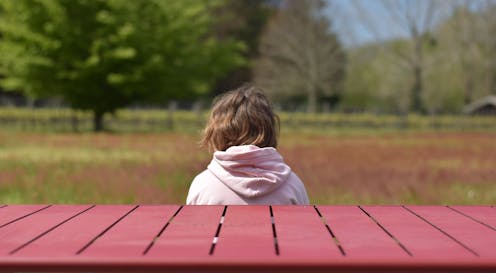
Anxiety disorders are common among Australian children, affecting nearly 7% of those aged 4–11 years.
Children’s fears can focus on areas such as being alone, talking to strangers or going to sleep. In small amounts these fears can be helpful for survival; in large amounts they can become overwhelming and impairing.
Childhood is the ideal time to treat these problems before they become severe, protracted or lead to other disorders.
A variety of child anxiety treatments are on offer, yet not all treatments are the same or should be considered equal. So how do you face the daunting task of deciding which is best for your anxious child?
First, does my child need help?
The first step is to work out if your child needs treatment. It’s normal for children to experience irrational fears that pass with time. For example, many children and adults are more fearful of spiders than they should be, based on the level of danger.
The main factor that determines whether a child has “clinical anxiety” is the extent to which the fear causes problems in their daily life. If a child who is fearful of spiders, for example, has ongoing trouble leaving home or sleeping because of their fear, they may need extra help.
In younger children, anxiety can be seen as more cautious or avoidant behaviour, which is especially visible when they are in unfamiliar situations.
Read more: Anxiety can look different in children. Here's what to look for and some treatments to consider
Keep in mind that anxious children often do not draw attention to themselves and can “go under the radar”. For example, anxious children are often quiet and well behaved at school, so teachers may not be aware they are struggling.
Many anxious children also unfortunately experience other mental health problems, particularly depression, so it’s important to keep an eye out for other issues as well.
What is the best treatment for my anxious child?
Psychotherapy (talking therapy) for child anxiety can be highly effective. A therapist should empathise with your child and assess how their anxiety began and how it effects their life.
Different health professionals may emphasise different ways to understand and treat a child’s anxiety, often using the approach they are more familiar with or trained in.
Children can respond differently to these treatments, so you need to listen to what they find helpful. For example, a family systems therapist may focus on how family dynamics and communication impact on a child’s mental health. Some therapists focus on developing mindfulness skills, teaching children to observe and accept their anxious thoughts and feelings rather than responding to them.
Different treatments have varying levels of evidence. Keep in mind that people often report some benefit from any treatment (like a “placebo effect”), so you need to work out what works best overall. With that said, treatments that teach children skills to manage their anxiety, such as cognitive behaviour therapy (CBT), tend to be most effective.
Read more: How to get your kids to talk about their feelings
What is cognitive behaviour therapy?
Cognitive behaviour therapy (CBT) is a broad range of treatments based on the interaction between your child’s thoughts, feelings and behaviours. Therapists encourage children to alter the way they think, which can change how they behave and feel.
CBT programs have been developed and tailored for anxious children and their families, such as the Cool Kids program. These treatments have been rigorously tested and are known to work for many children.
CBT is also freely available online and this can be an easy way to access and try treatment for example, Fear-Less Triple P Online.
These treatments teach the same CBT skills, however, they are delivered and assessed using an online platform, meaning treatment can take place at home.
Does my child need medication?
Antidepressant medications can be highly effective for childhood anxiety but can also cause side effects, so they are often used when psychological therapies have not been effective. Their use should be monitored by a doctor.
What else can I do?
Doing simple things, such as improving your child’s diet, sleep and exercise can have a big effect on their mental health.
It’s important to be supportive and listen to your child when they are distressed, while encouraging them to face their fears. Their fears may seem silly to you, but they are very real for them.
You may also want to involve your child’s school in their treatment, so teachers and parents are on the same page.
Read more: Is my child being too clingy and how can I help?
Like most services, you may need to shop around to find a mental health professional and treatment that suits you and your child. A psychologist with specific clinical training, experience in CBT and child anxiety can be a good place to start. Doing some research or seeking a referral is definitely worth the effort.
Is my child getting better?
The main way to know if your child is getting better is if they are resuming their normal life. Remember the goal of treatment is not for your child to be completely free of anxiety; it’s to help them manage their anxiety so they still live a full life.
Childhood anxiety is distressing for your child and for the whole family, however, there is reason to be hopeful: there are effective treatments and these problems often pass with time.
It may be a journey, but work with your child and skilled health professionals and you will find the help your family needs.
Authors: Simon Byrne, Lecturer in Clinical Psychology, The University of Queensland
Read more https://theconversation.com/i-think-my-child-has-anxiety-what-are-the-treatment-options-199098


















